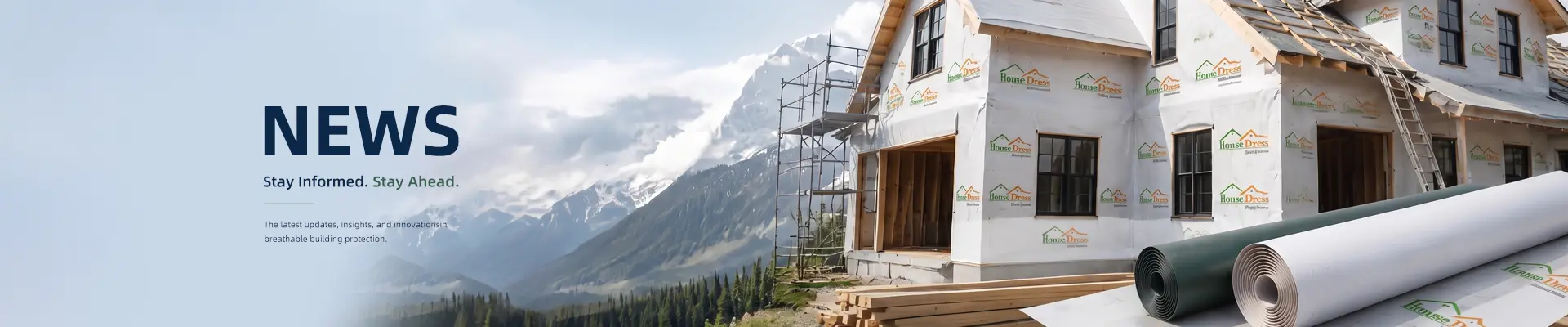
Why Breathable Membrane Matters in Modern Construction and Packaging?
In today’s fast-evolving industrial and construction landscape, maintaining durability, efficiency, and protection is more critical than ever. One material that has quietly transformed these sectors is the breathable membrane. Whether used in building envelopes, protective packaging, or industrial applications, breathable membranes offer a unique balance between moisture control and air permeability. This article explores how breathable membranes solve real-world challenges, enhance performance, and provide long-term value across industries.
Article Summary
This comprehensive guide explains what breathable membranes are, how they work, and why they are essential in modern applications. It covers their structure, benefits, real-world uses, selection criteria, and common misconceptions. Additionally, it provides comparison tables, practical insights, and answers to frequently asked questions to help readers make informed decisions.
Table of Contents
- 1. What Is a Breathable Membrane?
- 2. How Does a Breathable Membrane Work?
- 3. Key Benefits of Breathable Membranes
- 4. Where Are Breathable Membranes Used?
- 5. Breathable Membrane vs Traditional Materials
- 6. How to Choose the Right Breathable Membrane?
- 7. Common Problems and Solutions
- 8. Industry Trends and Innovations
- 9. FAQs
- 10. Conclusion
1. What Is a Breathable Membrane?
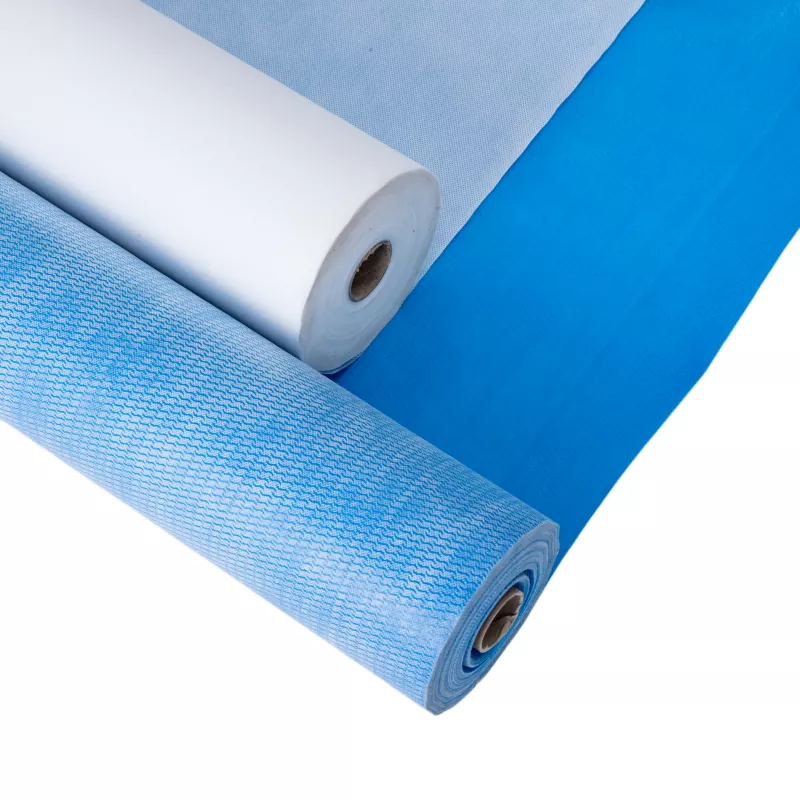
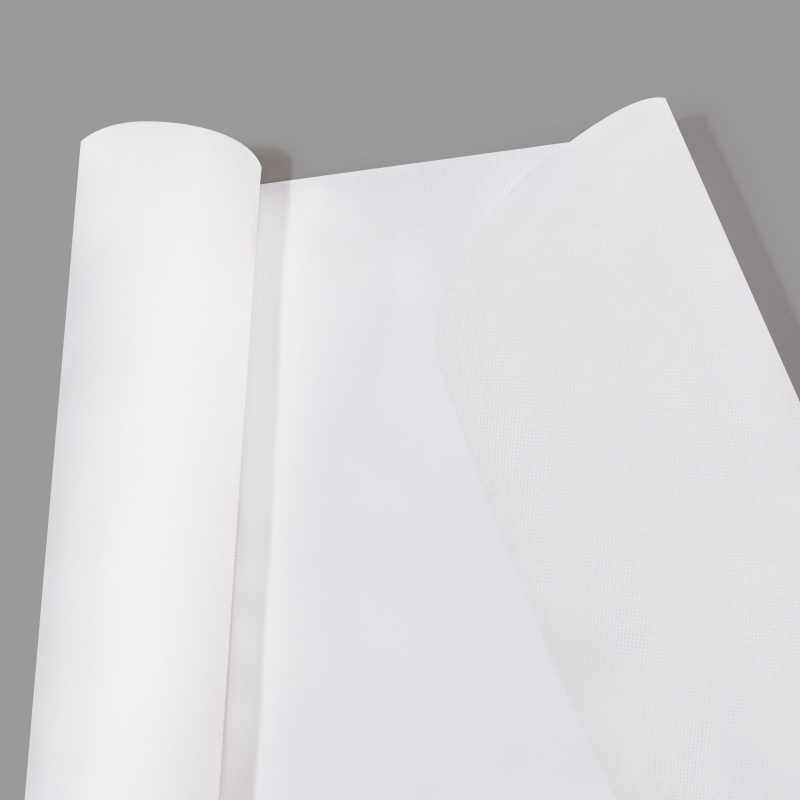
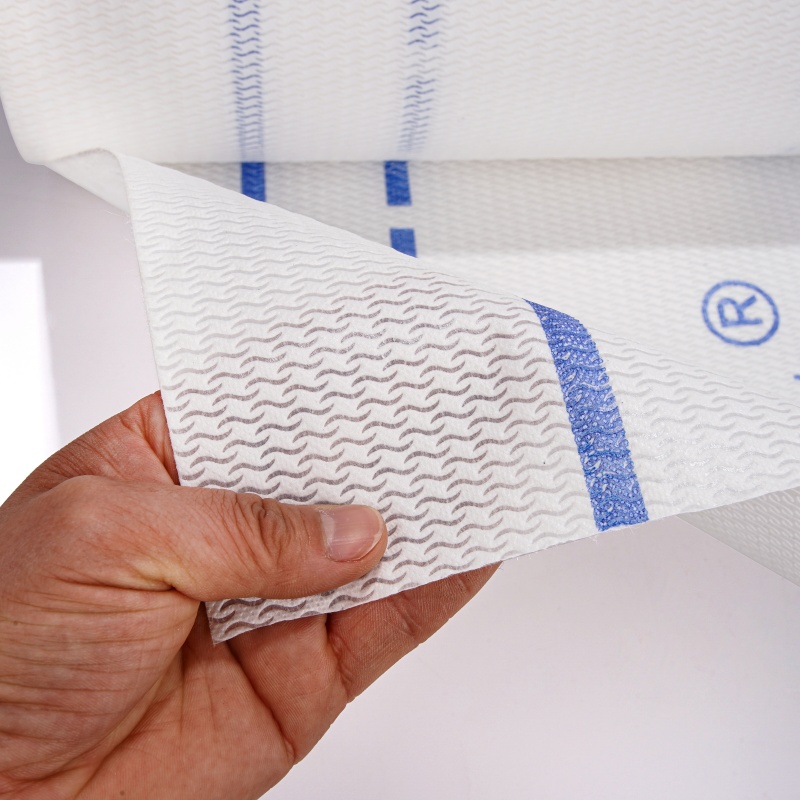
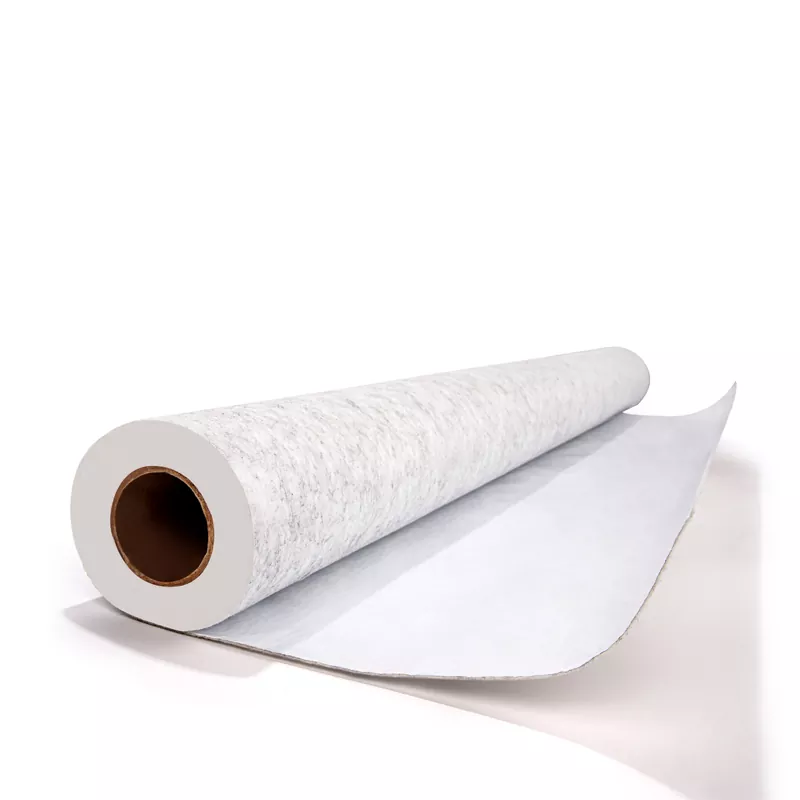
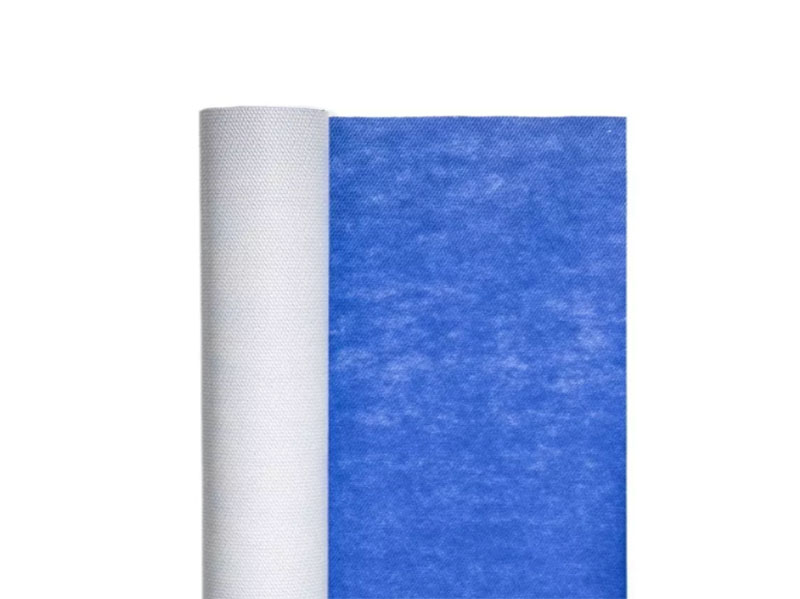
A breathable membrane is a specialized material designed to allow water vapor to pass through while preventing liquid water from penetrating. Typically made from microporous or monolithic films, these membranes are engineered to balance protection and ventilation.
They are widely used in construction, textiles, and packaging due to their ability to regulate moisture without compromising structural integrity.
- Microporous membranes: Contain tiny pores that block water droplets but allow vapor to escape
- Monolithic membranes: Use chemical diffusion to transport moisture
2. How Does a Breathable Membrane Work?
The functionality of a breathable membrane lies in its selective permeability. It acts as a barrier against external water while enabling internal moisture to escape.
This process is driven by:
- Vapor pressure differences
- Temperature gradients
- Material structure
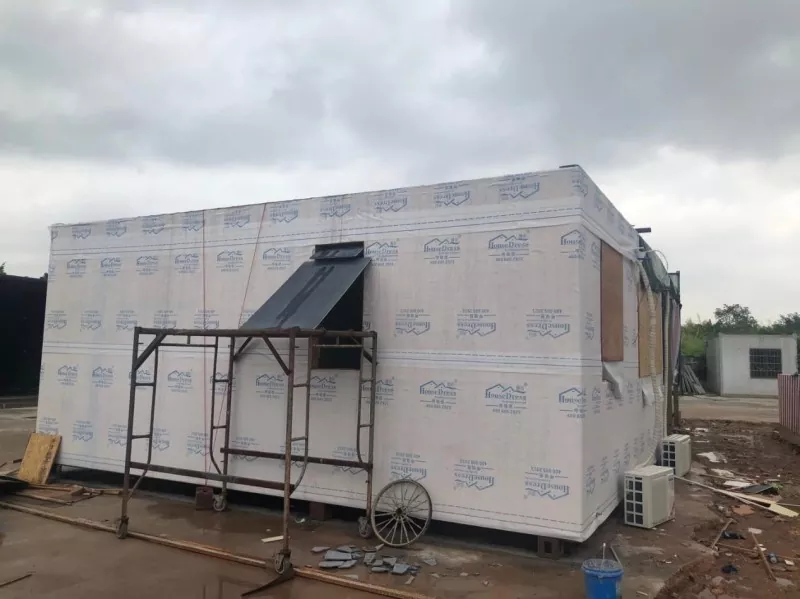
For example, in a building, warm indoor air containing moisture moves outward. The membrane allows this vapor to pass through, preventing condensation and mold growth.
3. Key Benefits of Breathable Membranes
| Benefit | Description |
|---|---|
| Moisture Control | Prevents condensation and mold formation |
| Durability | Enhances the lifespan of structures and products |
| Energy Efficiency | Improves insulation performance |
| Protection | Blocks external water and contaminants |
| Versatility | Applicable in multiple industries |
These benefits directly address common customer pain points such as water damage, reduced product lifespan, and inefficient insulation.
4. Where Are Breathable Membranes Used?
Breathable membranes have diverse applications across industries:
- Construction: Roof underlays, wall wraps, insulation layers
- Packaging: Protective coverings for moisture-sensitive goods
- Textiles: Outdoor clothing and performance fabrics
- Medical: Sterile packaging and protective materials
Companies like Xiong County Xiashi Packing Co., Ltd. have been actively developing high-quality breathable membrane solutions tailored for packaging and industrial needs.
5. Breathable Membrane vs Traditional Materials
| Feature | Breathable Membrane | Traditional Plastic Film |
|---|---|---|
| Water Resistance | High | High |
| Vapor Permeability | Yes | No |
| Mold Prevention | Effective | Poor |
| Durability | Long-lasting | Moderate |
| Application Range | Wide | Limited |
This comparison highlights why breathable membranes are becoming the preferred choice in many industries.
6. How to Choose the Right Breathable Membrane?
Selecting the right membrane depends on several factors:
- Permeability rating: Determines how much vapor can pass through
- Water resistance level: Essential for outdoor applications
- Material strength: Important for durability
- Environmental conditions: Climate and exposure levels
- Application type: Construction, packaging, or textile use
It is crucial to match the membrane properties with your specific requirements to ensure optimal performance.
7. Common Problems and Solutions
Despite their advantages, users may encounter certain challenges:
- Incorrect installation: Can reduce effectiveness
- Low-quality materials: Lead to premature failure
- Improper selection: Results in poor performance
Solutions:
- Follow manufacturer guidelines
- Choose certified products
- Consult industry experts
8. Industry Trends and Innovations
The breathable membrane industry continues to evolve with new technologies:
- Eco-friendly and recyclable materials
- Enhanced durability and flexibility
- Smart membranes with adaptive properties
These innovations are driving broader adoption and improving overall performance across applications.
9. FAQs
Q1: Can breathable membranes completely prevent water leakage?
A: They are highly water-resistant but must be properly installed to ensure full protection.
Q2: Are breathable membranes suitable for all climates?
A: Yes, but the type and specifications should match the climate conditions.
Q3: How long do breathable membranes last?
A: High-quality membranes can last for decades depending on usage and environment.
Q4: Are they environmentally friendly?
A: Many modern membranes are designed with sustainability in mind.
Q5: Can they be used in packaging?
A: Absolutely, especially for moisture-sensitive goods.
10. Conclusion
Breathable membranes are an essential innovation that addresses critical challenges in moisture management, durability, and efficiency. Their ability to balance protection and ventilation makes them indispensable in construction, packaging, and beyond.
If you are looking for reliable and high-performance breathable membrane solutions, Xiong County Xiashi Packing Co., Ltd. offers a wide range of products designed to meet diverse industry needs.
Contact us today to discover how our breathable membrane solutions can enhance your projects and deliver long-term value.
Related News
- Providing Global Customers With One-Stop Building Envelope Material Solutions
- Modern Building Envelopes—The Importance Of Water-Resistant, Breathable Membranes
- Smart Microporous Filtration: Blocking Rain, Venting Moisture
- Waterproof Breathable Membrane - "Breathing Protective Suit" For Modern Building Envelopes
- Xiashi Packing Overseas Market Visit: Real Project Applications Of Breathable Membranes
- The Functions And Common Types Of Breathable Membrane
Leave me a message



 Miranda
 Miranda