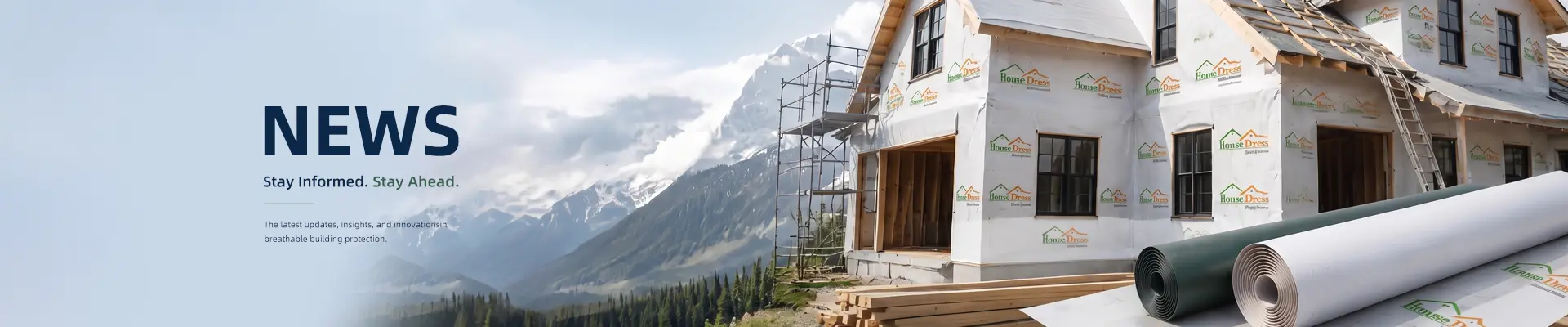
Are Australian Modular Homes Failing Due to Poor WRB Installation?
Australia's push for 1.2 million new homes by 2029 has triggered a surge in prefabricated and modular housing imports from China. According to customs data, China's prefabricated building exports grew from USD 1.472 billion in 2015 to approximately USD 4.339 billion in 2025, with year-on-year growth hitting 45% in the first quarter of 2026 alone.
Chinese suppliers now account for over 66% of Australia's total prefab building imports, worth AUD 215.9 million. Yet many overseas-built modular units are failing Australian inspections—not due to structural weaknesses, but because of a hidden culprit: improper weather-resistive barrier (WRB) installation.
This article examines the critical role of WRB, also known as housewrap or waterproof breathable membrane, in NCC 2025 compliance, and outlines best practices for prefab exporters.
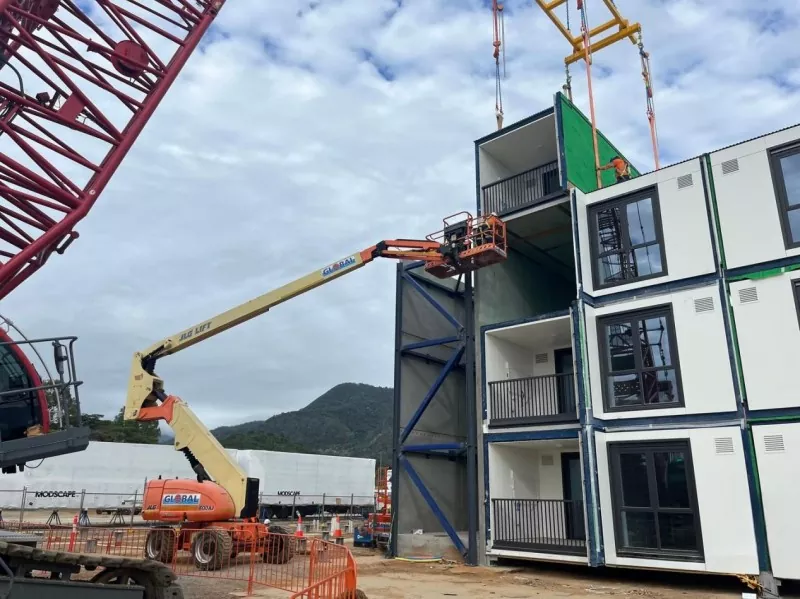
1. Why Australia's housing crisis drives prefab demand
Australia's residential construction sector is under acute pressure. The country completed just 177,000 new homes in 2024 against demand of 223,000, and the National Housing Accord's target of 1.2 million homes by mid-2029 is projected to fall short by approximately 460,000–620,000 units, according to forecasts from the National Housing Supply and Affordability Council and Mandala Partners.
Compounding this supply gap is a national shortfall of skilled tradespeople and construction professionals—Infrastructure Australia estimates a construction workforce shortage of 141,000 for major project pipelines, which is expected to peak at 300,000 in 2027.
Traditional on-site construction takes an average of 12 months or more per home (depending on project complexity and location) and costs AUD 5,500–7,500 per square metre for high-rise apartments in Sydney. Against this backdrop, modular construction offers a compelling alternative: according to industry sources, certain modular projects can be delivered up to 75% faster and reduce overall costs by up to 30%.
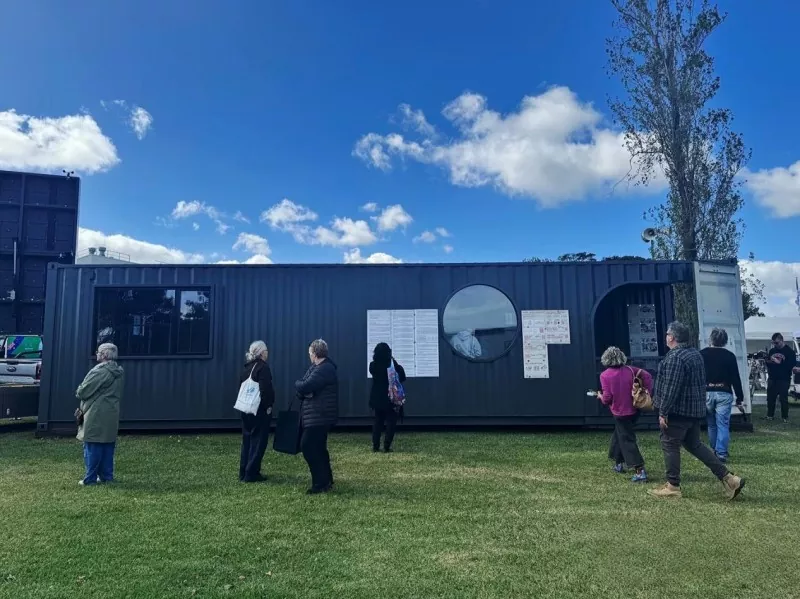
2. NCC 2025 condensation rules: Non-negotiable for exporters
The National Construction Code 2025 was published by the Australian Building Codes Board in February 2026. While the Code is available for adoption from 1 May 2026, adoption dates vary by jurisdiction. New South Wales will adopt NCC 2025 from 1 May 2027, with a transitional period allowing compliance with either NCC 2022 or NCC 2025. The ACT and Queensland follow a similar timeline. For prefab exporters, the key compliance points are:
Vapour permeance classification
External wall membranes on the exterior side of insulation must meet specific vapour permeance classes under AS 4200.1. In Climate Zones 1 to 5, membranes must achieve at least Class 3 vapour permeance (greater than 0.143 µg/N·s). In Climate Zones 6, 7 and 8, which carry the highest condensation risk, Class 4 vapour permeance (greater than 1.14 µg/N·s) is required.
Drained and vented cavities
Direct fixing of cladding to the membrane is now banned in Climate Zones 6 to 8. A minimum 20 mm drained and ventilated cavity behind cladding is mandatory to reduce mould risk.
Fire compliance
Any membrane used in non-combustible facade assemblies must be less than 1mm thick and have a Flammability Index of not more than 5 when tested to AS 1530.2.
Ignoring these provisions is not an option. Non-compliance can lead to mould, structural timber decay, insulation degradation, and liability under NCC enforcement.
3. Common WRB failures in imported prefab modules
A 2014 study on overseas-built prefabricated structures in remote Australian mining camps (presented at the 2014 Indoor Air Conference, Hong Kong, with the title “Worrying trends in overseas built pre-fabricated structures used to house workers in remote locations of Australia”) identified poor indoor air quality, water damage, and mould growth on plasterboard as direct consequences of inappropriate building material selection.
The same risks persist today for the thousands of modular units arriving at Australian ports. Vapour permeable wall wraps are the recommended solution, allowing buildings to breathe while keeping external water at bay.
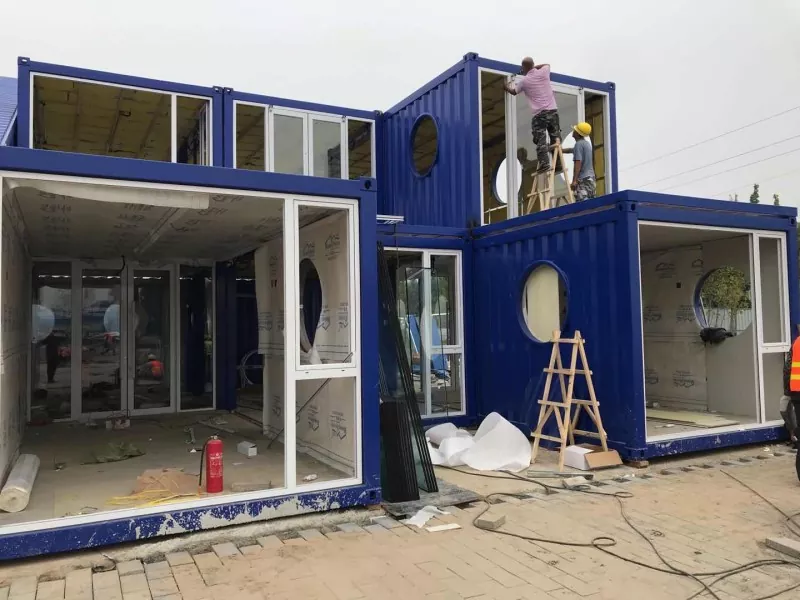
The most common failures observed in prefab imports include: using non-permeable sarking that traps moisture inside wall cavities; leaving membrane exposed to UV for months without cladding; failing to seal window openings, pipe penetrations and roof intersections; and installing the WRB on the wrong side of the insulation layer. Wall wrap plays a pivotal role in reducing the ingress of external moisture and managing internal condensation, thereby safeguarding the building's core structural components from degradation.
4. Best practices for WRB specification and installation in prefab factories
For Chinese prefab manufacturers looking to export successfully to Australia, the following best practices are essential:
Specify the right membrane class
For projects destined for Australian Climate Zones 6, 7 or 8 (including Melbourne, Tasmania, Canberra and the Australian Alps), always specify a Class 4 vapour permeable membrane with third-party test certification.
Install WRB on the correct side
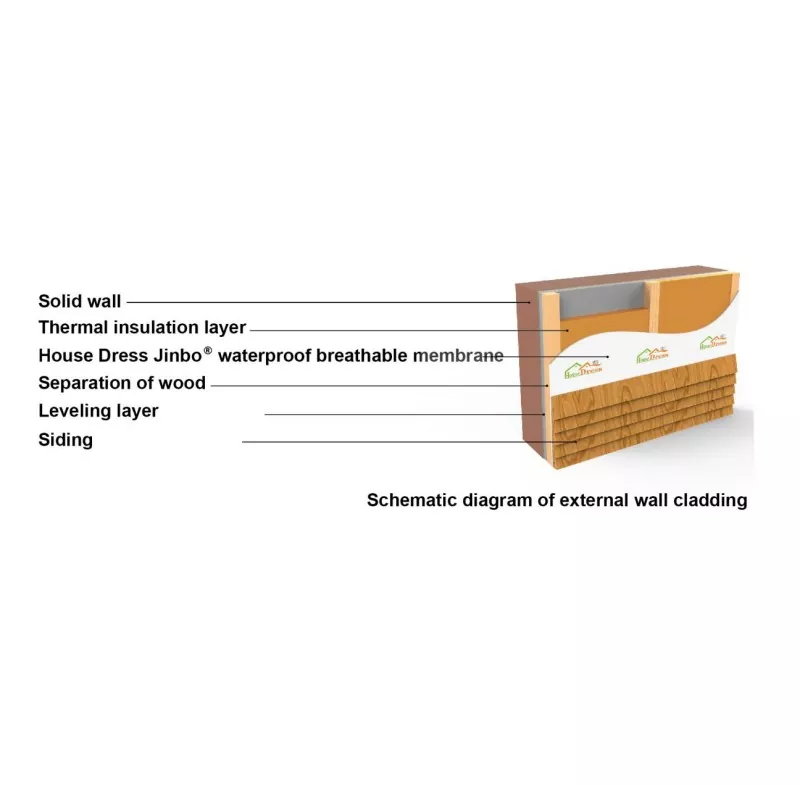
The WRB must be installed on the external side of the primary insulation layer, directly behind the cladding. This is now explicitly required by NCC 2025 across all climate zones.
Ensure UV resistance
Choose a membrane with robust UV stabilisation to withstand exposure during shipping and on-site staging before cladding is applied. Our own Jinbo® products offer extended UV resistance—customers are advised to verify specific performance data through our technical datasheets.
Seal all penetrations correctly
Use vapour-open flashing tapes that match the membrane's permeability properties. Do not use low-permeance tapes, which trap moisture and defeat the purpose of a vapour-open system.
Integrate WRB installation into factory production
Apply the membrane to pre-assembled wall panels on the factory floor, where quality control and inspection standards are consistent. Overlap horizontal joints by at least 150 mm and vertical joints by one stud bay.
5. Xiong County Xiashi Packing Co., Ltd.: Your NCC-compliant WRB partner
For modular housing exporters targeting the Australian market, selecting the right building envelope partner is critical. Xiong County Xiashi Packing Co., Ltd., based in Hebei, China, is an ISO-certified manufacturer specializing in high-performance waterproof breathable membranes under the Jinbo® brand.
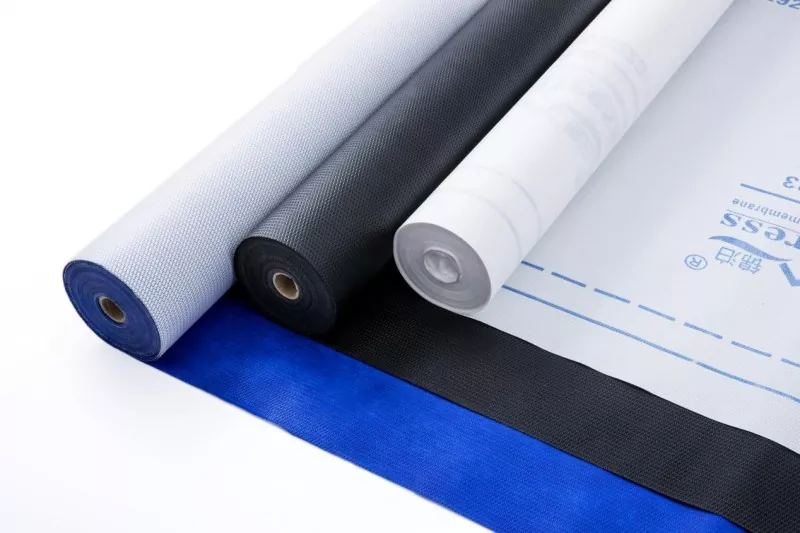
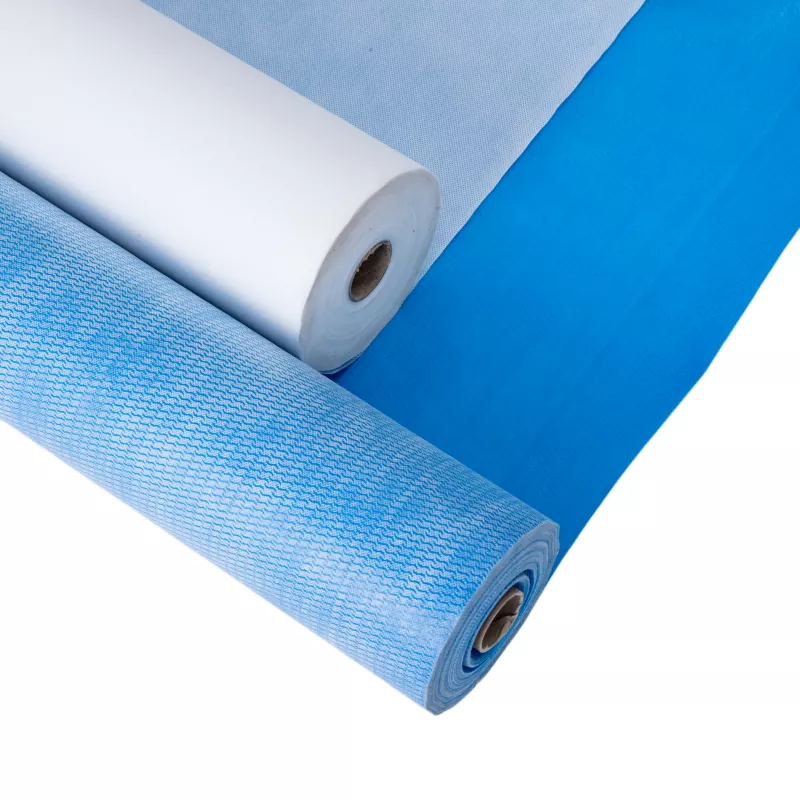
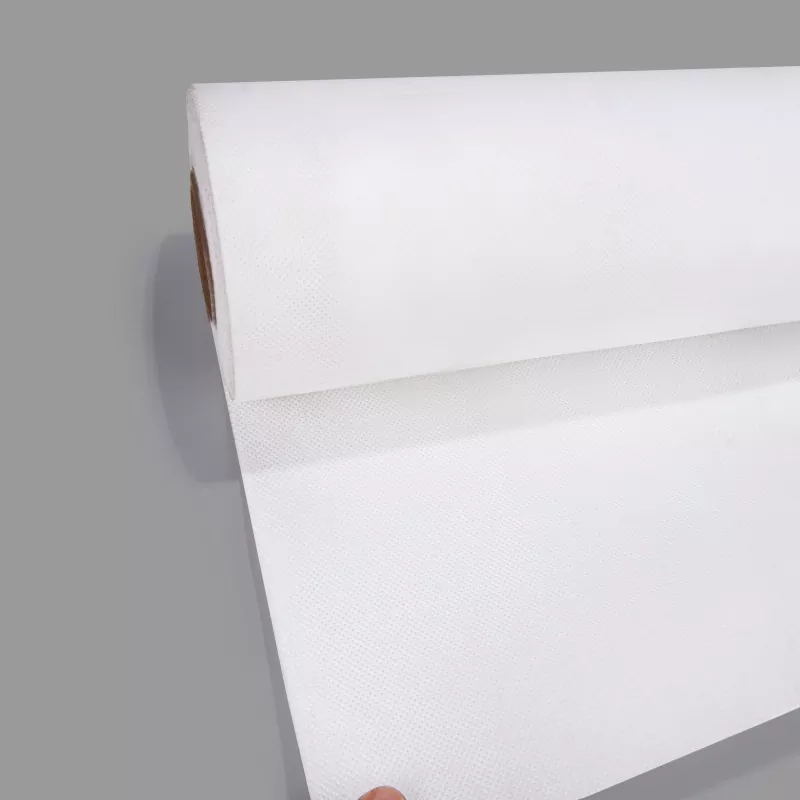
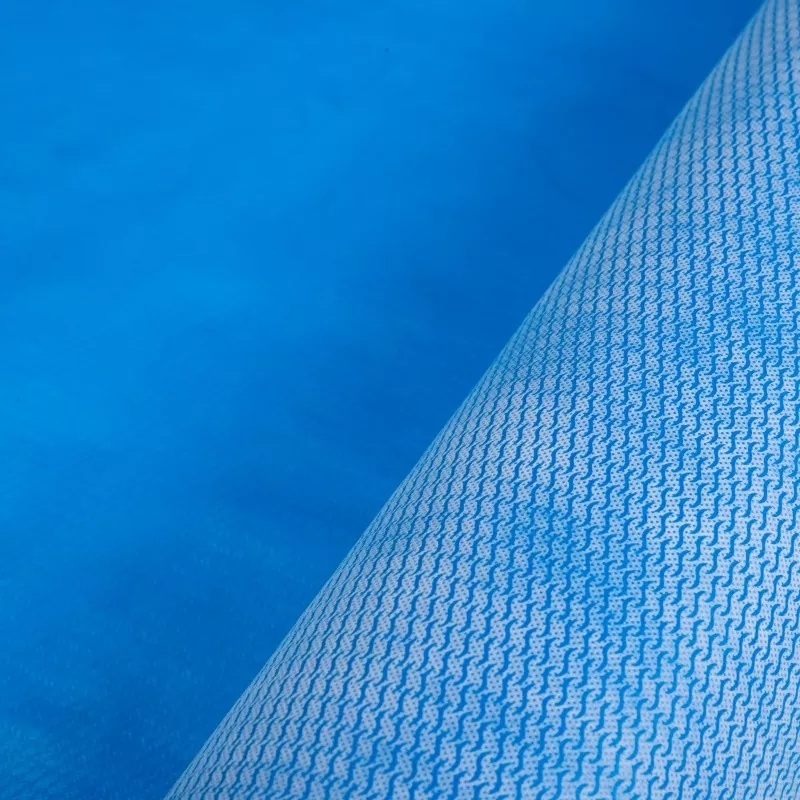
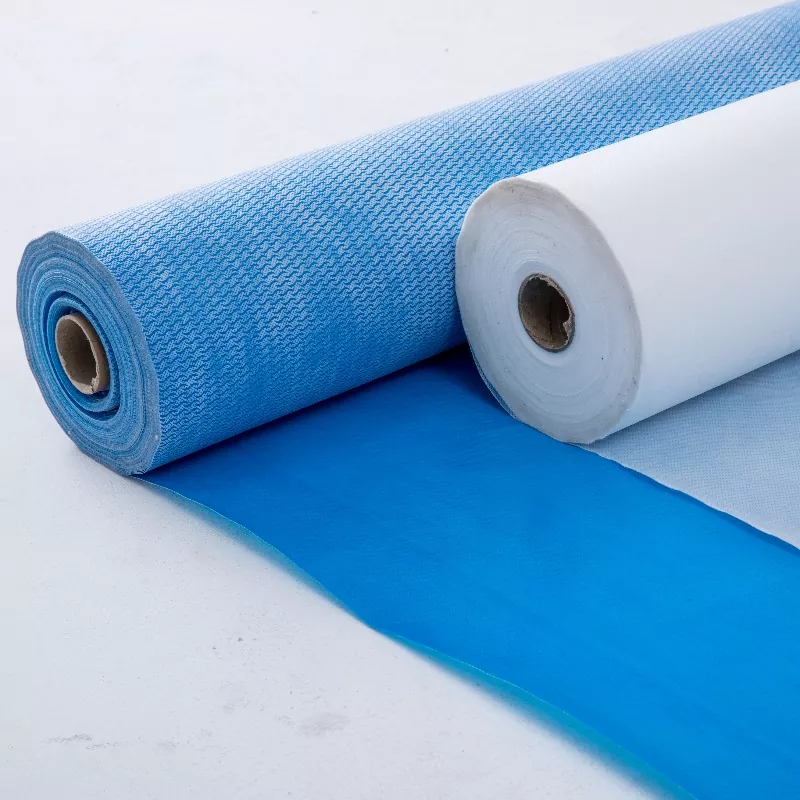
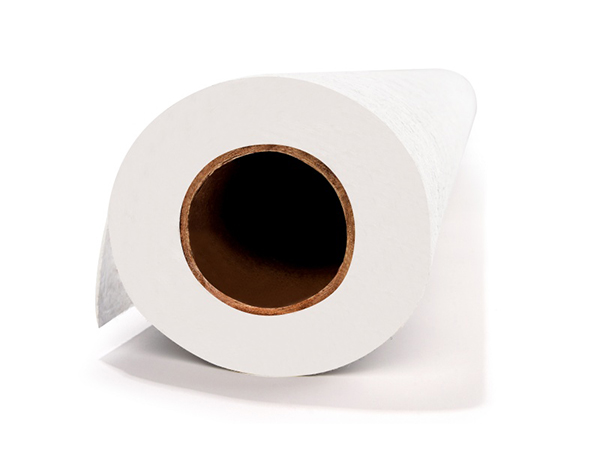
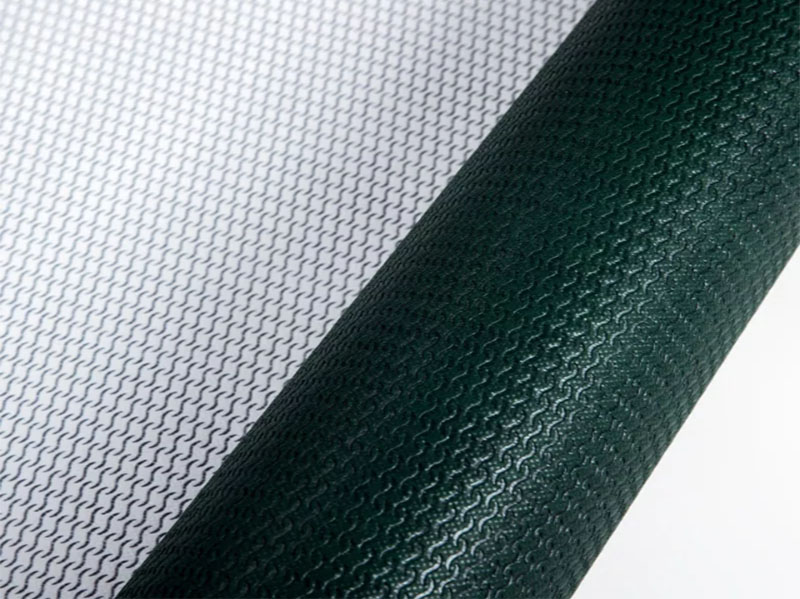
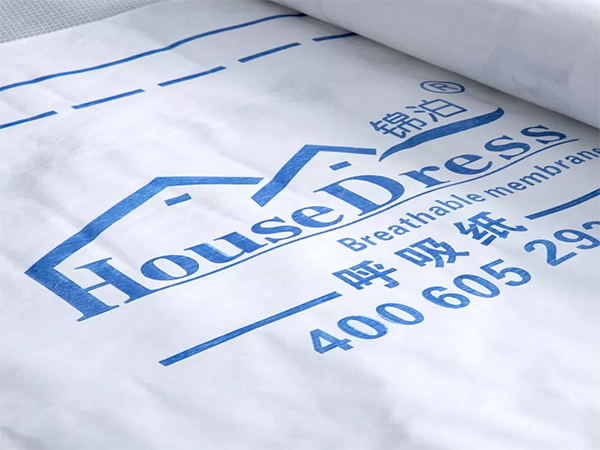
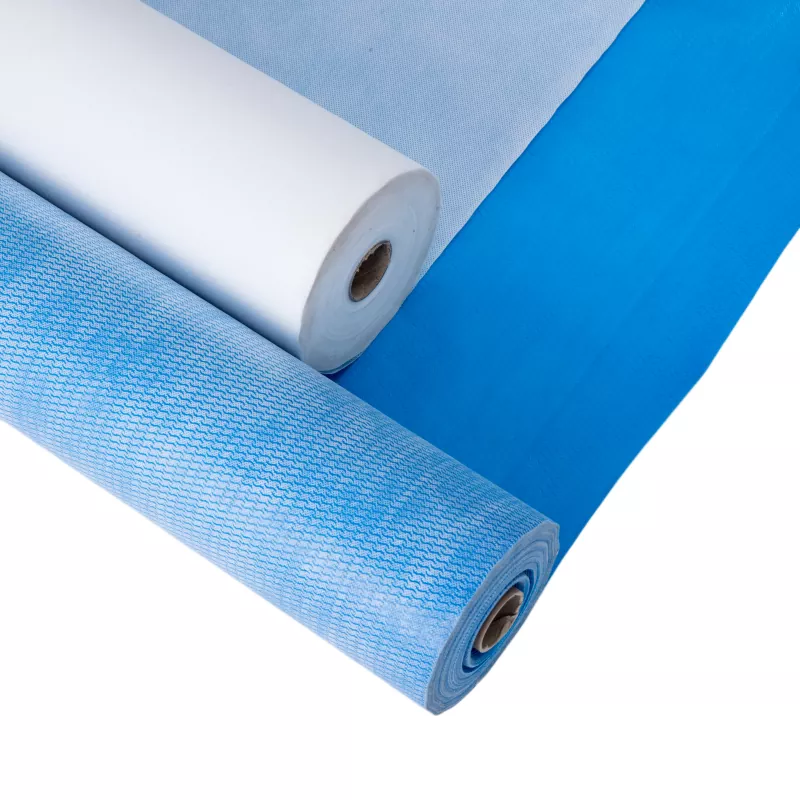
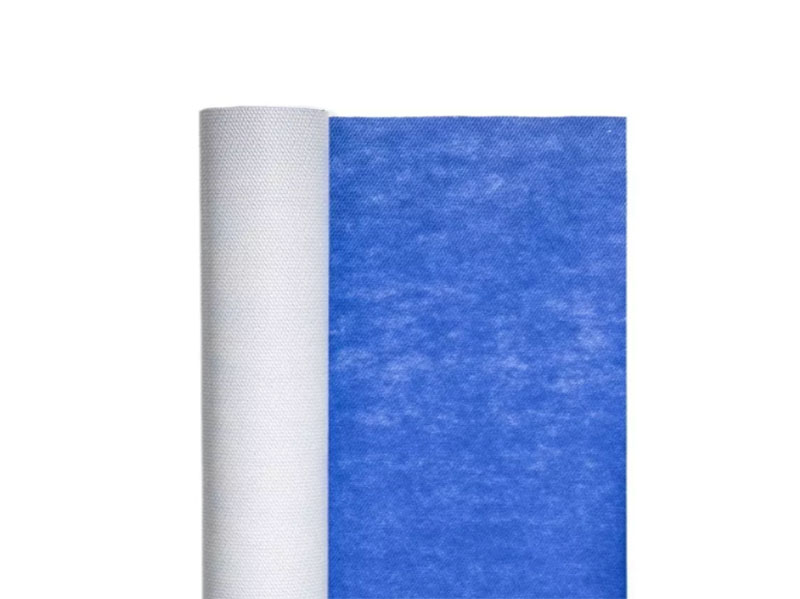
Our House Dress Jinbo® waterproof breathable membrane features a triple-layer PP/PE non-woven construction, offering water vapour permeability exceeding 1,000 g/m²·24h, water tightness of 1,500–3,000 mm, breaking strength of 100–260 N/50mm, and low-temperature flexibility down to -40°C.
The membrane's microporous structure allows water vapour molecules (approximately 0.0004 microns in diameter) to escape while blocking liquid water droplets (approximately 20 microns in diameter). With a flammability index meeting AS 1530.2 requirements and a thickness under 1mm, Jinbo® membranes are suitable for use in non-combustible facade assemblies under NCC C2D10(6)(f) concessions.
Xiong County Xiashi Packing Co., Ltd. offers one-stop OEM service, technical datasheets, and on-site training to help prefab manufacturers integrate NCC-compliant WRB systems into their production lines from day one.
Conclusion
Australia's modular housing boom represents a once-in-a-generation opportunity for Chinese prefab exporters. But speed and cost advantages will not compensate for a failed building envelope. Under NCC 2025, a properly specified and correctly installed vapour permeable WRB is not optional—it is the law.
By partnering with Xiong County Xiashi Packing Co., Ltd. and integrating best-practice WRB systems into your prefab designs, you can deliver durable, energy-efficient, inspection-ready homes that truly stand the test of time in Australia's diverse climates. The question is not whether to use a WRB, but whether yours will pass the test.
Related News
- House Dress: Nearly 20 Year Expertise In Building Envelope Membrane Solutions
- Jinbo House-Dress: How China's Enclosure Membrane Materials Meet The Diverse Architectural Needs Of Overseas Markets
- Building Envelope Sealing Tapes: Small Auxiliary Materials Can Determine The Success Or Failure Of The Entire Membrane System
- Jinbo House Dress:New Iteration Of Self-Adraping Anti-Condensation Felt Now Released
- Providing Global Customers With One-Stop Building Envelope Material Solutions
- Modern Building Envelopes—The Importance Of Water-Resistant, Breathable Membranes
Leave me a message

 Miranda
 Miranda