Why Is Window Tape Essential for Modern Construction and Energy Efficiency?
Window tape has become an indispensable component in modern construction, renovation, and insulation systems. Whether you're a contractor, builder, or homeowner, understanding how window tape works—and why it matters—can significantly improve durability, comfort, and energy savings. This comprehensive guide explores everything you need to know about window tape, from types and applications to benefits and common mistakes, helping you make informed decisions for your next project.
Article Summary
This article provides an in-depth exploration of window tape, including its definition, benefits, types, applications, installation techniques, and buying considerations. It also addresses common user pain points such as air leakage, moisture intrusion, and poor adhesion. By the end, readers will have a clear understanding of how to choose and use window tape effectively for long-lasting performance.
Table of Contents
- 1. What Is Window Tape?
- 2. Why Is Window Tape Important?
- 3. Types of Window Tape
- 4. Key Benefits of Using Window Tape
- 5. Common Applications
- 6. How to Install Window Tape Properly
- 7. Common Mistakes to Avoid
- 8. How to Choose the Right Window Tape
- 9. Comparison Table
- 10. Frequently Asked Questions
1. What Is Window Tape?
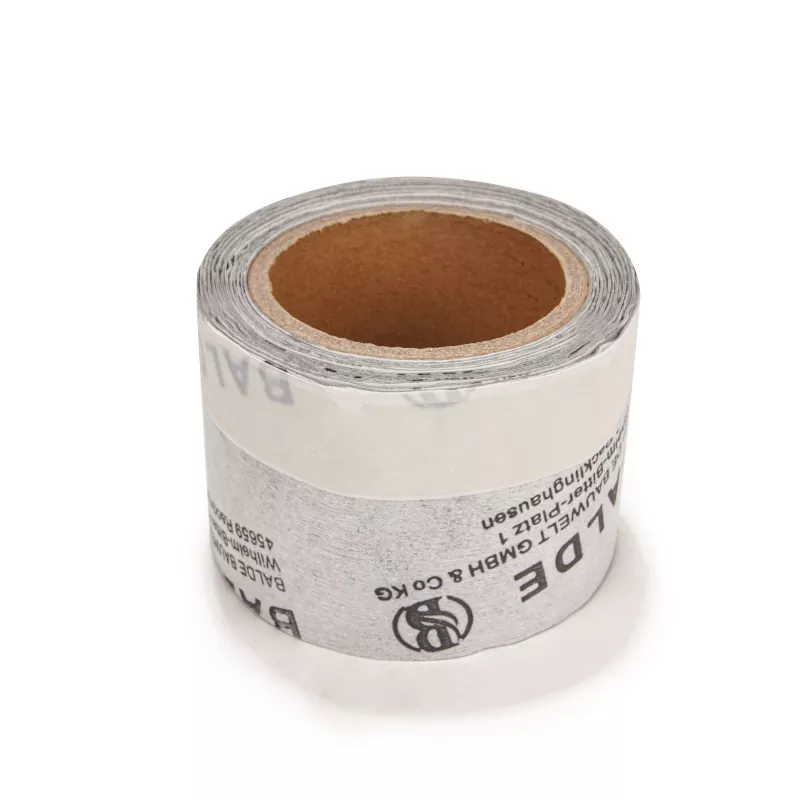
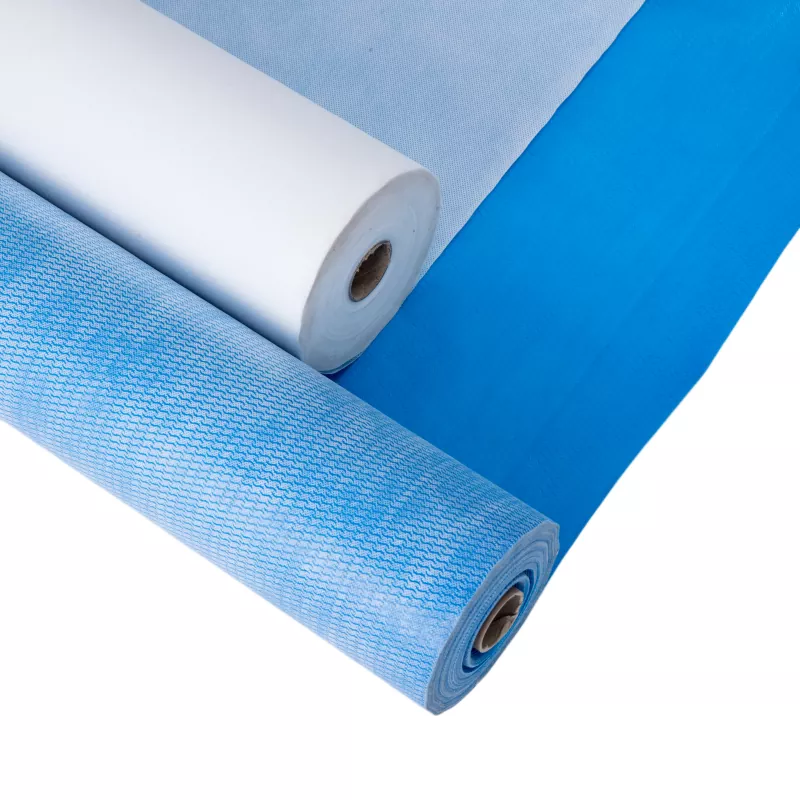
Window tape is a specialized adhesive sealing tape designed to create airtight and watertight seals around windows and doors. It is typically applied during installation to prevent air leaks, water infiltration, and energy loss. Made from durable materials such as polyethylene, butyl rubber, or acrylic adhesives, window tape ensures long-term protection against environmental elements.
2. Why Is Window Tape Important?
Many buildings suffer from hidden issues caused by poor sealing around windows. Without proper sealing, gaps can allow moisture, dust, and cold air to enter, leading to structural damage and higher energy bills.
- Prevents water penetration and mold growth
- Improves indoor energy efficiency
- Enhances structural integrity
- Reduces noise infiltration
- Extends window lifespan
In modern construction, window tape is not just an accessory—it is a necessity for achieving high-performance building standards.
3. Types of Window Tape
Different projects require different types of window tape. Choosing the right type ensures optimal performance.
- Acrylic Adhesive Tape: UV-resistant and suitable for long-term exposure
- Butyl Tape: Excellent waterproofing and flexibility
- Foam Tape: Provides insulation and cushioning
- Vapor Barrier Tape: Prevents moisture migration in walls
- Flashing Tape: Used for exterior waterproof sealing
4. Key Benefits of Using Window Tape
Energy Efficiency
Window tape minimizes air leakage, reducing heating and cooling costs significantly.
Moisture Protection
It prevents water intrusion, which can cause rot, mold, and structural damage.
Durability
High-quality window tape withstands extreme temperatures and weather conditions.
Ease of Installation
Modern tapes are designed for quick and hassle-free application.
5. Common Applications
- Residential window installations
- Commercial building sealing
- Renovation and retrofitting projects
- Roof and wall joint sealing
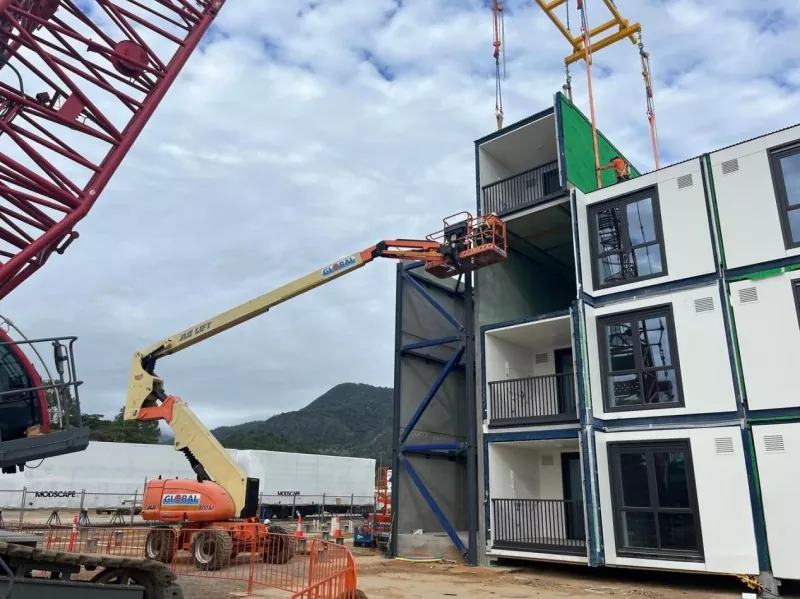
- Prefabricated housing systems
6. How to Install Window Tape Properly
- Clean the surface thoroughly to remove dust and moisture
- Measure and cut the tape to the required length
- Apply tape evenly along the window frame
- Press firmly to ensure proper adhesion
- Seal all edges to prevent gaps
Proper installation is critical. Even the best tape will fail if applied incorrectly.
7. Common Mistakes to Avoid
- Applying tape on dirty or wet surfaces
- Using the wrong type of tape for the environment
- Not overlapping seams properly
- Ignoring temperature requirements during installation
- Using low-quality adhesive products
8. How to Choose the Right Window Tape
When selecting window tape, consider the following factors:
- Climate conditions (temperature, humidity)
- Surface compatibility
- Adhesive strength
- UV resistance
- Durability and lifespan
Reliable manufacturers like Xiong County Xiashi Packing Co., Ltd. offer a wide range of high-performance window tapes tailored for different construction needs, ensuring consistent quality and reliability.
9. Comparison Table
| Type | Main Feature | Best Use Case | Durability |
|---|---|---|---|
| Acrylic Tape | UV Resistant | Outdoor sealing | High |
| Butyl Tape | Waterproof | Wet environments | Very High |
| Foam Tape | Insulation | Indoor applications | Medium |
| Flashing Tape | Weatherproof | Exterior joints | High |
10. Frequently Asked Questions
Q1: Can window tape be used in extreme weather?
Yes, high-quality window tapes are designed to perform in both high and low temperatures.
Q2: How long does window tape last?
Depending on the material, it can last anywhere from 10 to 25 years.
Q3: Is window tape waterproof?
Most window tapes, especially butyl and flashing types, offer excellent waterproofing.
Q4: Can I apply window tape myself?
Yes, but proper surface preparation and technique are essential for effectiveness.
Q5: Does window tape improve energy efficiency?
Absolutely. It significantly reduces air leakage, lowering energy consumption.
Conclusion
Window tape plays a crucial role in modern construction by enhancing energy efficiency, preventing moisture damage, and improving overall building performance. Choosing the right type and applying it correctly can make a significant difference in durability and comfort.
If you're looking for reliable, high-quality solutions, Xiong County Xiashi Packing Co., Ltd. provides premium window tape products designed to meet diverse construction needs. Contact us today to find the perfect sealing solution for your project and ensure long-lasting performance you can trust.
Related News
- Why Is House Wrap Breathable Membrane Essential for Modern Buildings?
- Protecting North American Homes with Waterproof Breathable Membranes
- Why Is 9 ft Breathable Membrane Becoming Essential for Modern Construction Waterproofing Systems?
- Are Australian Modular Homes Failing Due to Poor WRB Installation?
- Why Is Vapor Barrier Essential for Long-Term Building Protection?
- Why Non Overlap Breathable Membrane Is Transforming Modern Waterproof and Ventilation Systems?
Leave me a message


 Miranda