What Tests Does A Building Envelope Membrane Material Undergo?
When sourcing construction materials, many specifiers and builders only review test reports from submitted samples, while overlooking performance consistency across mass production batches. Installed on roofs and exterior walls, building envelope membranes are exposed year-round to UV radiation, temperature cycling and repeated rain exposure. The long-term performance of building envelope systems depends partly on the durability and consistency of these membrane materials, which must withstand prolonged environmental stresses.
At the in-house laboratory of House Dress Jinbo, waterproof and vapor-permeable membranes, vapor barriers and anti-condensation felt go through multi-stage verification. Our quality workflow runs from raw material intake through finished goods release, helping identify potential issues before products ship.
Quality control starts with raw material verification. As incoming supplies including spunbond polypropylene substrates, functional microporous layers and UV-stabilized masterbatches arrive, our lab completes incoming inspections. We check base weight, substrate tensile properties and additive formulation. Raw material inconsistency creates performance variation that downstream processing cannot easily correct; source control helps reduce the common industry risk where samples pass testing but bulk goods underperform.
During manufacturing, online random checks run alongside lamination and slitting operations. Our team monitors width, thickness and visible surface defects in real time. Once production completes, finished rolls are sampled and sent to the lab for simulated service-condition testing.
UV Aging Test Chamber: Accelerated Weathering Evaluation
Extended ultraviolet exposure can degrade membrane materials. Poor UV stability may lead to chalking, brittleness and cracking, impairing waterproofing and vapor transmission functions. In the UV aging chamber, samples undergo accelerated UV and high-temperature cyclic exposure under controlled test parameters. After the cycle, technicians re-test tensile strength, elongation and water resistance, and inspect surfaces for chalking, cracking or delamination. Tensile strength retention is assessed against our internal quality control criteria, to evaluate how the material holds up under outdoor weathering.
Hydrostatic Resistance Tester: Waterproof Performance Verification
Hydrostatic resistance testing simulates heavy rainfall to measure resistance against liquid water penetration. Tests follow GB/T 328.10-2007. Inspectors monitor whether water penetrates the sample under defined pressure and duration. Acceptance thresholds vary by product specification and project requirements. This evaluation confirms the membrane can block rainwater under typical wet-weather loading.
Tensile & Tear Tester: Mechanical Performance for Installation and Service
During site installation, membranes experience stretching, bending and fastener penetration. Therefore tensile strength, elongation at break, MD/TD tear strength and nail-shank tear resistance are key indicators. Testing references GB/T 328.9-2007 for tensile properties. The equipment simulates forces from handling, installation and thermal expansion and contraction. This reduces the risk of tearing during fitting and mechanical failure driven by recurring temperature shifts.
Beyond these three core mechanical and weathering tests, our lab runs additional validation:
Low-temperature bending test: samples are flexed repeatedly at -30°C and checked for cracks, supporting deployment in cold northern regions.
Water vapor transmission test: vapor permeability is measured following defined test methods. Readings differ for waterproof breathable membranes and vapor retarders, supporting the core design principle: vapor permeable on the cold side, vapor-retentive on the warm side.
Supplementary assessments include hot-air aging and chemical corrosion resistance checks.
Products can only move to packing after all internal lab checks pass. For key construction projects, samples may also be sent to independent third-party laboratories such as SGS or national building material test institutions. Third-party reports support project acceptance and help buyers verify compliance with applicable EN, ASTM or AS standards, selected according to product type and target market.
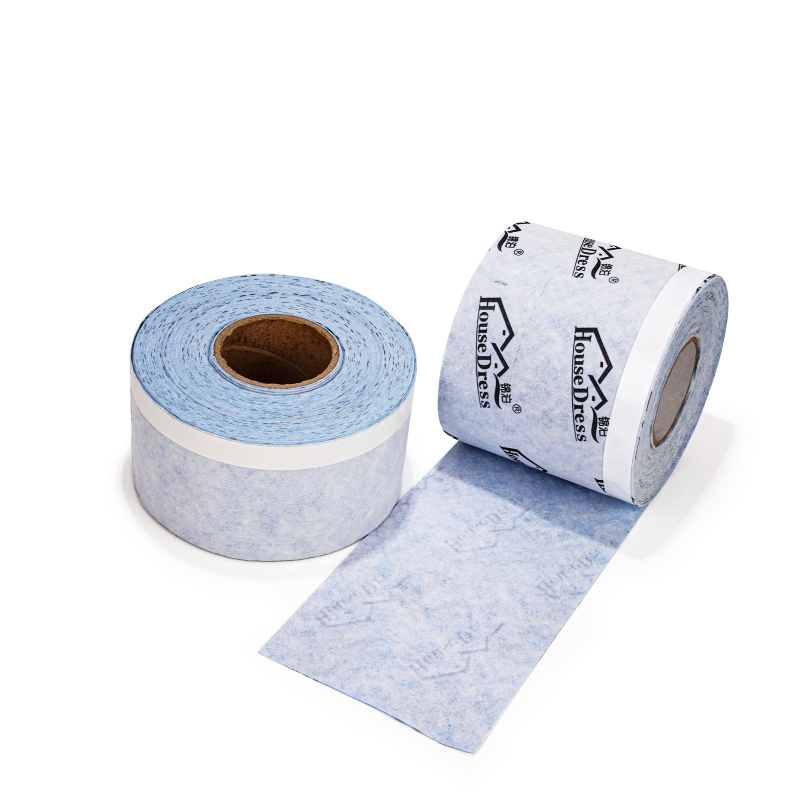
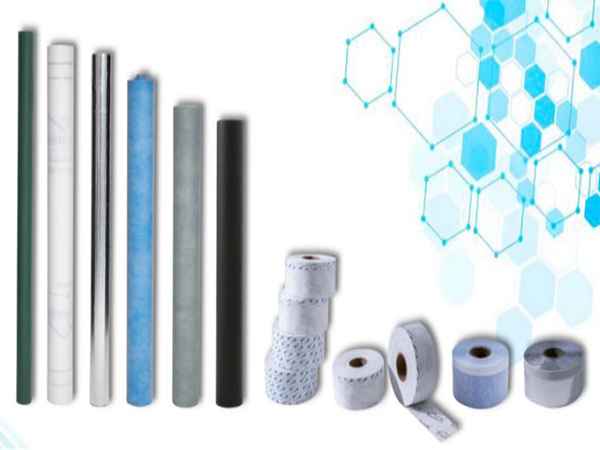
House Dress Jinbo operates a batch-sampling system with full production traceability. We maintain clear records for each production lot, and non-conforming batches are segregated and handled separately to prevent non-compliant material from reaching construction sites. Our quality system covers not only primary membranes but also matching accessories including vapor barrier tape and butyl tape. Supporting components follow the same internal testing regime, ensuring compatible performance across the complete building envelope system.
Related News
- How Is Condensation Control Changing Metal Roofing?
- House Dress: Nearly 20 Year Expertise In Building Envelope Membrane Solutions
- Jinbo House-Dress: How China's Enclosure Membrane Materials Meet The Diverse Architectural Needs Of Overseas Markets
- Building Envelope Sealing Tapes: Small Auxiliary Materials Can Determine The Success Or Failure Of The Entire Membrane System
- Jinbo House Dress:New Iteration Of Self-Adraping Anti-Condensation Felt Now Released
- Providing Global Customers With One-Stop Building Envelope Material Solutions
Leave me a message
News Recommendations


 Miranda
 Miranda