Summer Renovation Boom: Breathable Membranes Become Key For Old Wall Moisture Control
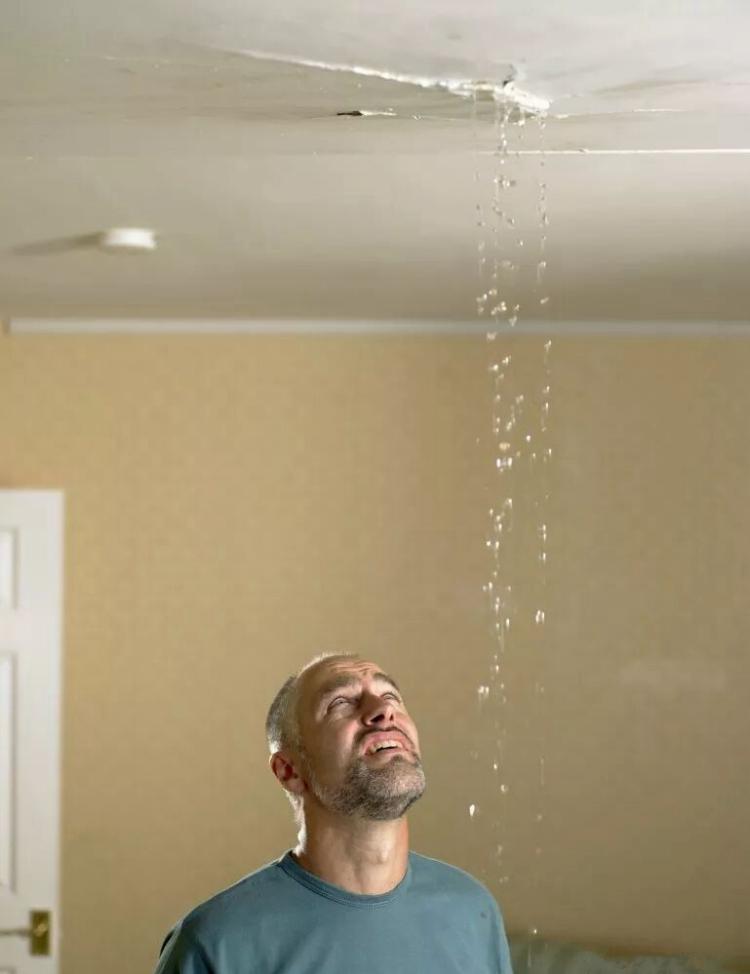
The summer of 2026 brought prolonged periods of heavy rainfall to many regions around the world. For example,in southern China, the plum rain season and typhoons arrived one after another. In many older residential communities and self-built homes, problems like exterior wall seepage, interior wall mold, and large areas of peeling paint have become very common.
Residents living in these older houses often dread the rainy season because even a few days of continuous rain cause water stains to appear on the walls, green mold spots to grow in the corners, and sometimes even a damp smell to fill the room. This phenomenon repeats itself every year. Many residents have grown accustomed to it, but it also pushes property management companies and maintenance teams to look for more effective solutions.
Meanwhile, in countries like the United States, Europe, and Japan, many detached homes and townhouses built in the mid-to-late 20th century are facing similar issues: damp basements and failing exterior wall insulation during the summer rainy season. These practical problems, which are easily seen and felt in everyday life, are driving steady growth in the demand for high-performance waterproof and breathable materials in the home renovation market.
Old walls need not just to block water, but to release moisture as well
In many older buildings, the original plaster and waterproofing layers have developed cracks or have aged and peeled off after years of sun and rain. On some walls, you can hear a hollow sound when you knock on them, which means the plaster has come loose from the wall underneath. During heavy rain, water easily enters through these visible gaps. When renovation teams work on these walls, they often rely on waterproof coatings to fill cracks, focusing only on making the exterior surface look smooth and neat. However, this often only treats the symptoms, not the root cause.
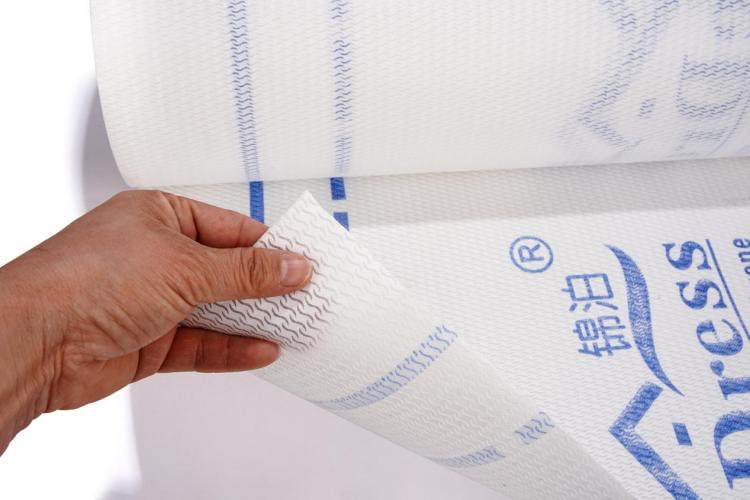
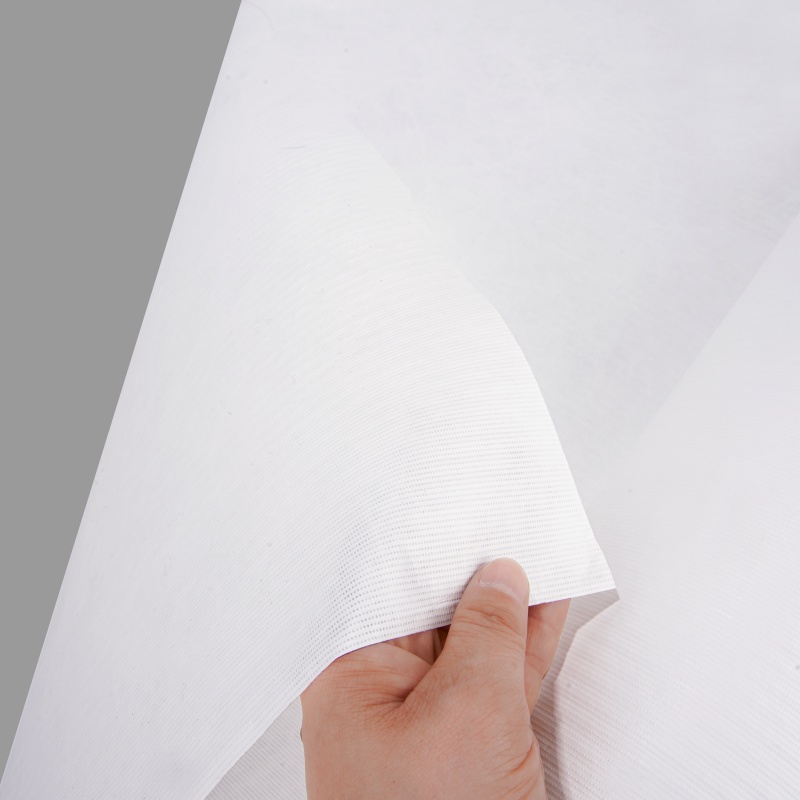
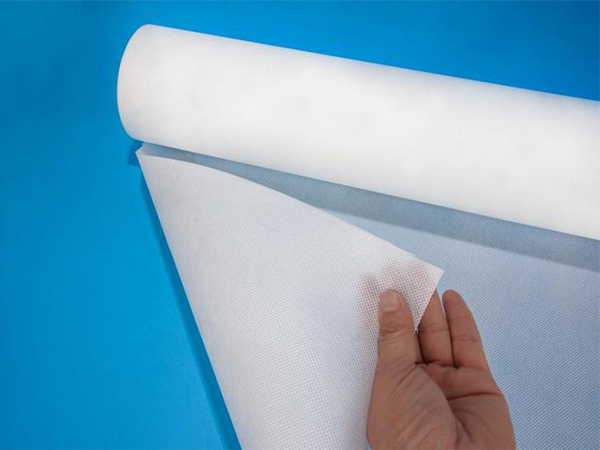
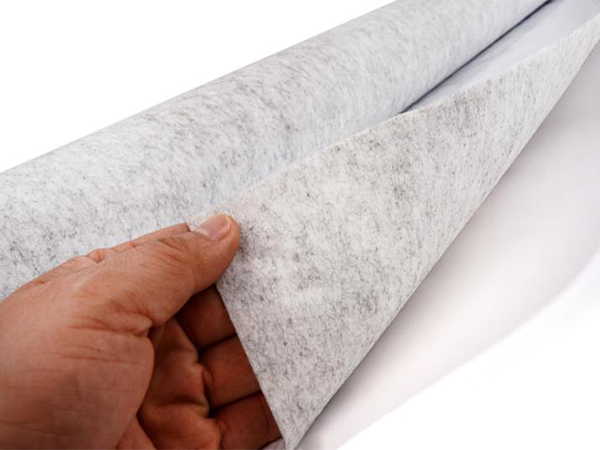
The moisture that has accumulated inside the wall over many years has nowhere to escape. This trapped dampness degrades the insulation over time and sometimes seeps through to the interior, causing the paint to bubble and turn black. Even long after the rainy season, the wall can still feel cold and damp to the touch. In recent years, during renovations of old communities and detached houses, more and more construction teams are adding a layer of Breathable Membrane as a base layer under the exterior cladding. This material works in two ways: it acts as a tight barrier against rain, while allowing trapped internal moisture to escape through its countless tiny micro-pores. This approach of blocking water while venting moisture is far more reliable than traditional waterproof coatings or simple plastic sheets.
Wall moisture directly impacts daily living comfort and household bills
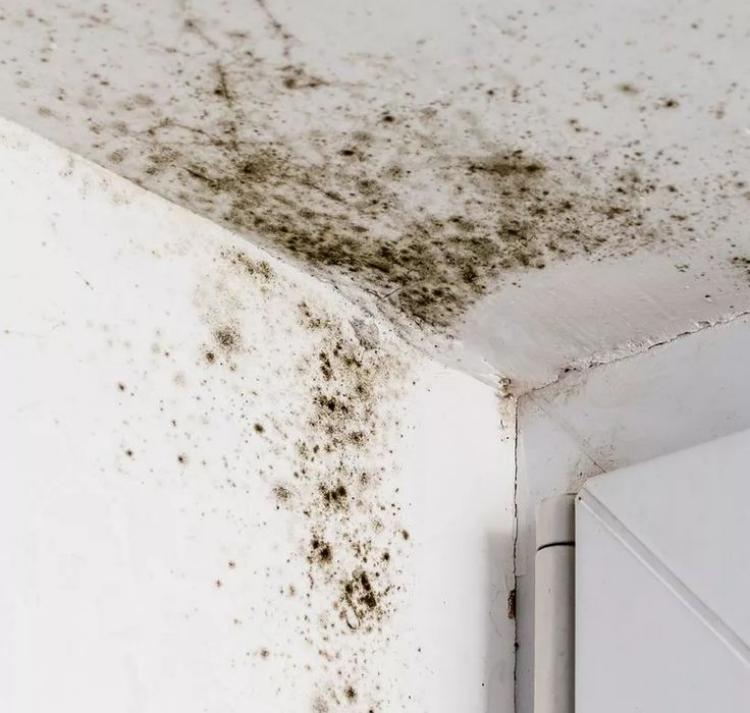
For ordinary residents, the problems caused by damp walls are immediately noticeable and often affect multiple aspects of daily life. During the rainy season, unsightly water stains and black mold spots appear on the walls, and sometimes can't even be wiped off with a wet cloth. In winter, the impact is even more obvious: the house always feels cold and damp, and even with the heating on, the area near the exterior walls stays chilly, as if a stream of cold air is coming through the wall. If the wall stays damp year-round, the moisture inside the insulation freezes in winter and evaporates in summer.
This repeated cycle breaks down the insulation structure, undermining its ability to keep heat in or out. In such a house, heating a room in winter becomes a losing battle against the cold wall, leading to noticeably higher gas and electricity bills every month compared to neighbors. Long-term condensation inside walls can also seep through the corners onto wooden floors, causing them to warp, crack, or even lift. Some residents have reported that when they removed the baseboards at the bottom of their walls, the wall behind them had turned black, and the wood itself showed signs of decay. Xiashi Packing's Breathable Membrane helps maintain a dry interior wall structure, effectively reducing the long-term energy waste and living discomfort caused by wall moisture after a renovation.
Renovation sites have limited space, so materials must withstand rough handling
Old community renovations and overseas home retrofits have very different working conditions from new constructions. In these projects, the work areas are often cramped, with scaffolding placed right up against the neighbor's windows, sometimes leaving barely enough room to set it up. Workers move back and forth, pass materials, and operate tools in this tight, limited space. A single misstep could knock something down or cause a slip. Under this tight and crowded schedule, the membrane installed on the wall frequently suffers from foot traffic, tool dragging, and heavy pneumatic stapling.
If the membrane is brittle and lacks tear resistance, it is likely to develop holes within the first week or two, forcing the team to pause and patch or replace the material, which not only delays the schedule but also increases material costs. Xiashi Packing's membrane is specially treated for good tear, puncture, and abrasion resistance. Even in confined spaces with frequent worker movement and tool scraping, it won't easily break. This property helps construction teams reduce material waste and avoid costly downtime caused by rework, allowing the entire renovation project to proceed smoothly on schedule.
Compliance and specification needs in both domestic and overseas renovations
Whether it's large-scale old community renovations in China or single-family home retrofits commissioned by private owners abroad, project managers require proper factory qualifications and third-party inspection reports when selecting materials. In overseas markets, even for simple renovations of detached homes, local contractors often need to provide certification and test reports to the homeowner to prove that the materials used meet safety and performance standards. In some countries, suppliers without proper documentation may not even be allowed to deliver materials to the job site.
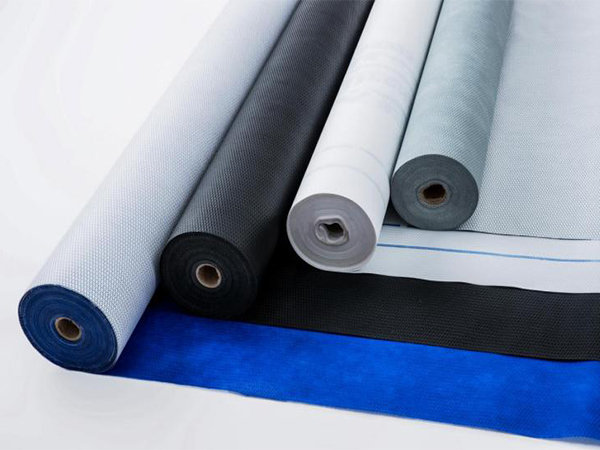
Xiashi Packing's Breathable Membrane carries international certification and complete third-party test reports. In the procurement and inspection stages of renovation projects, these documents help contractors and buyers quickly verify the material's compliance, reducing unnecessary communication and delays. Additionally, old buildings often have irregular dimensions, with some walls varying significantly in width. During renovation, the membrane rolls often need to be pre-cut to fit the actual dimensions. The ability to flexibly handle different size requirements is a common factor in actual purchasing. For project teams that need to pre-test how the material performs on an old wall, requesting samples for simple on-site adhesion testing before placing a formal order is also a common practice in the industry.
Related News
- House Dress: Nearly 20 Year Expertise In Building Envelope Membrane Solutions
- Jinbo House-Dress: How China's Enclosure Membrane Materials Meet The Diverse Architectural Needs Of Overseas Markets
- Building Envelope Sealing Tapes: Small Auxiliary Materials Can Determine The Success Or Failure Of The Entire Membrane System
- Jinbo House Dress:New Iteration Of Self-Adraping Anti-Condensation Felt Now Released
- Providing Global Customers With One-Stop Building Envelope Material Solutions
- Modern Building Envelopes—The Importance Of Water-Resistant, Breathable Membranes
Leave me a message


 Miranda
 Miranda