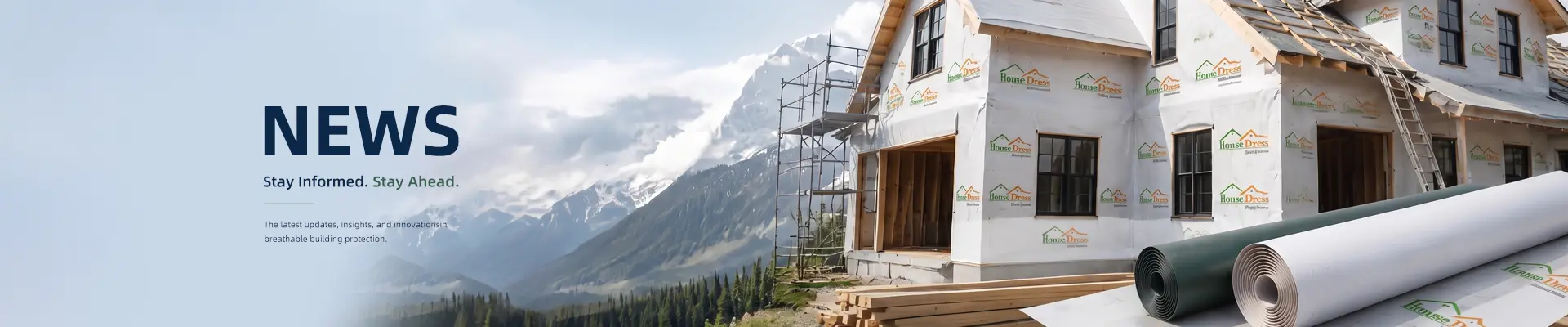
Why Is Breathable Membrane For Internal Walls Essential for Modern Building Performance?
Moisture-related problems are among the most expensive and frustrating issues faced by homeowners, builders, architects, and property managers. Condensation, mold growth, poor indoor air quality, wall deterioration, and reduced insulation performance can all be traced back to inadequate moisture management within building structures.
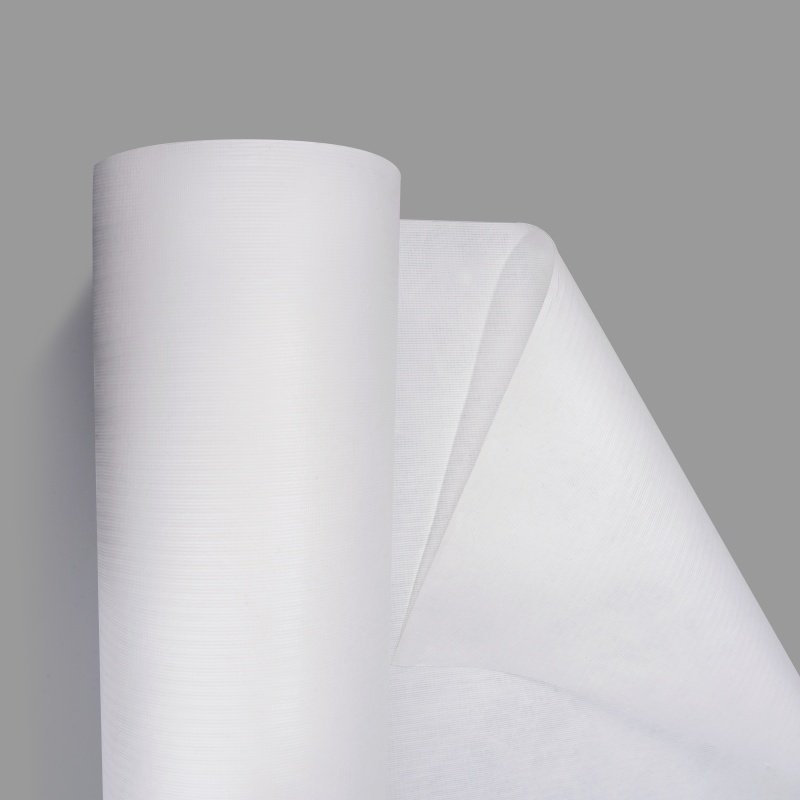
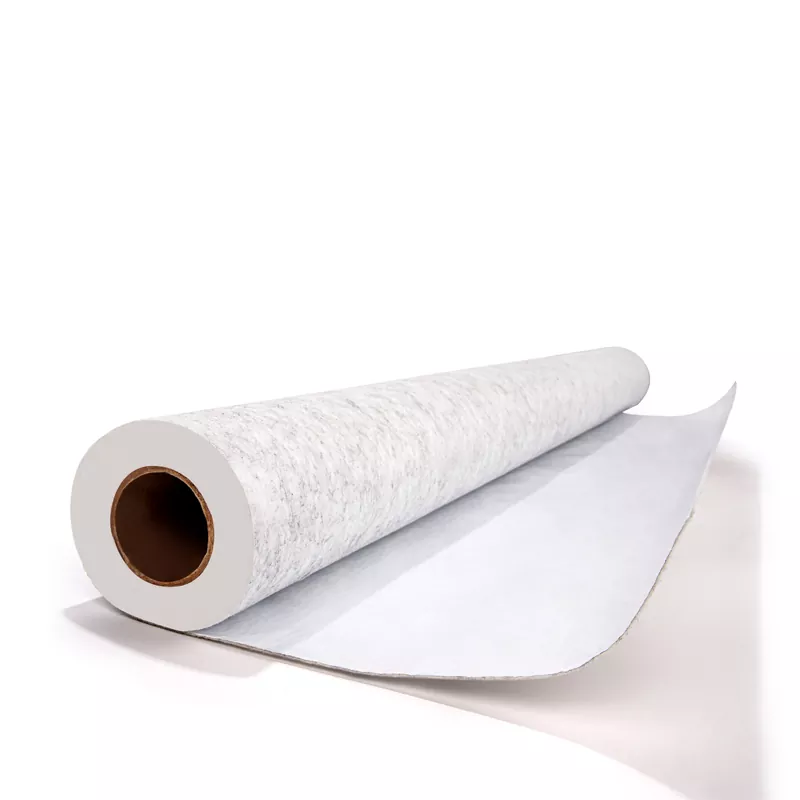
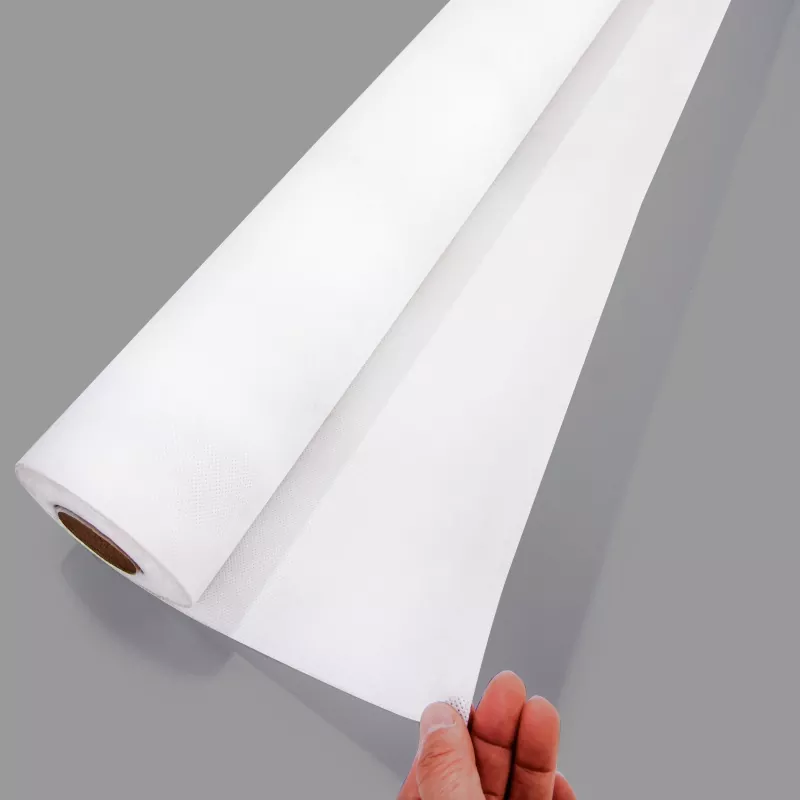
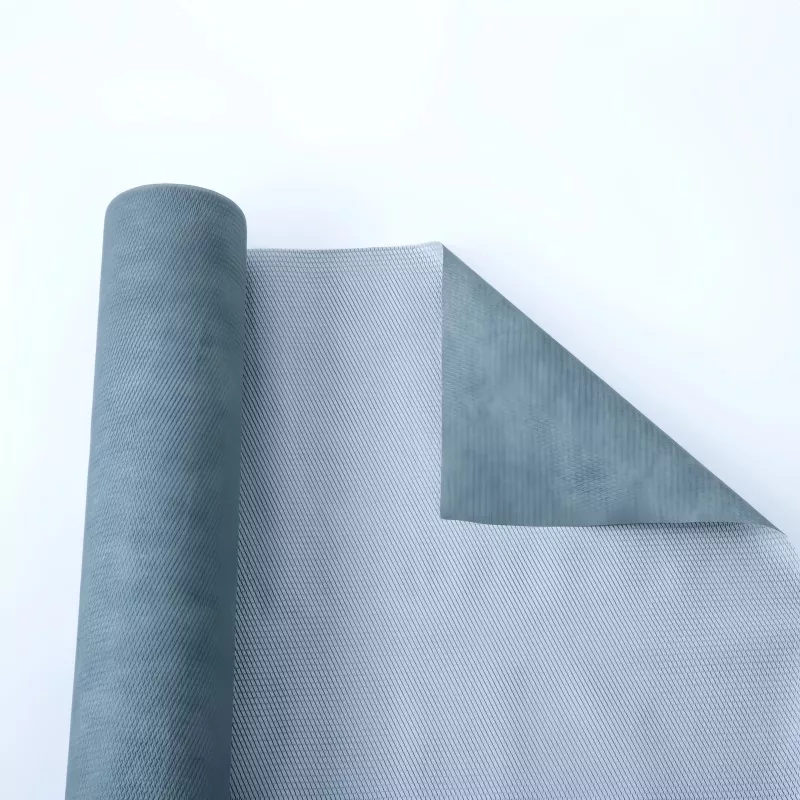
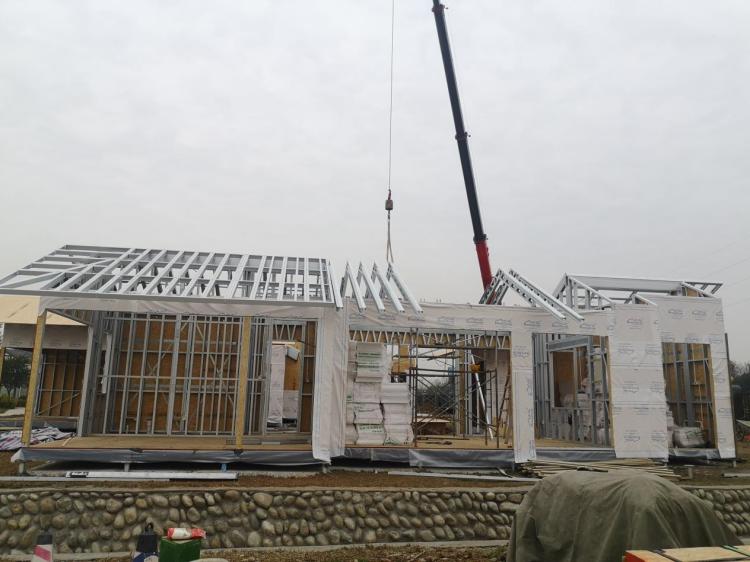
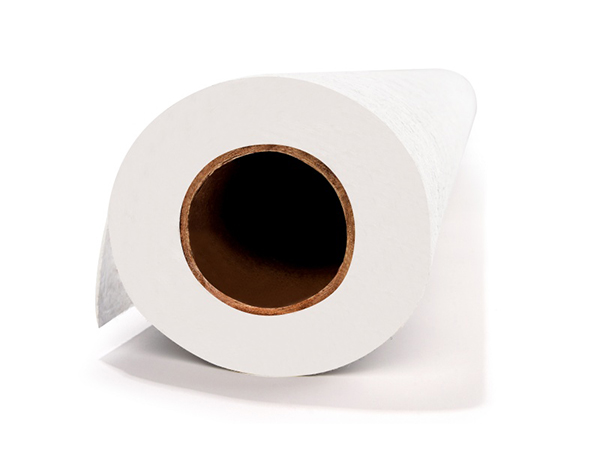
A Breathable Membrane For Internal Walls has become an increasingly important solution for modern construction projects. These membranes allow water vapor to escape while preventing unwanted moisture accumulation inside wall systems. The result is a healthier indoor environment, improved energy performance, longer building lifespan, and reduced maintenance costs.
This guide explores how breathable membranes work, their benefits, installation considerations, common applications, selection criteria, and frequently asked questions to help property owners and construction professionals make informed decisions.
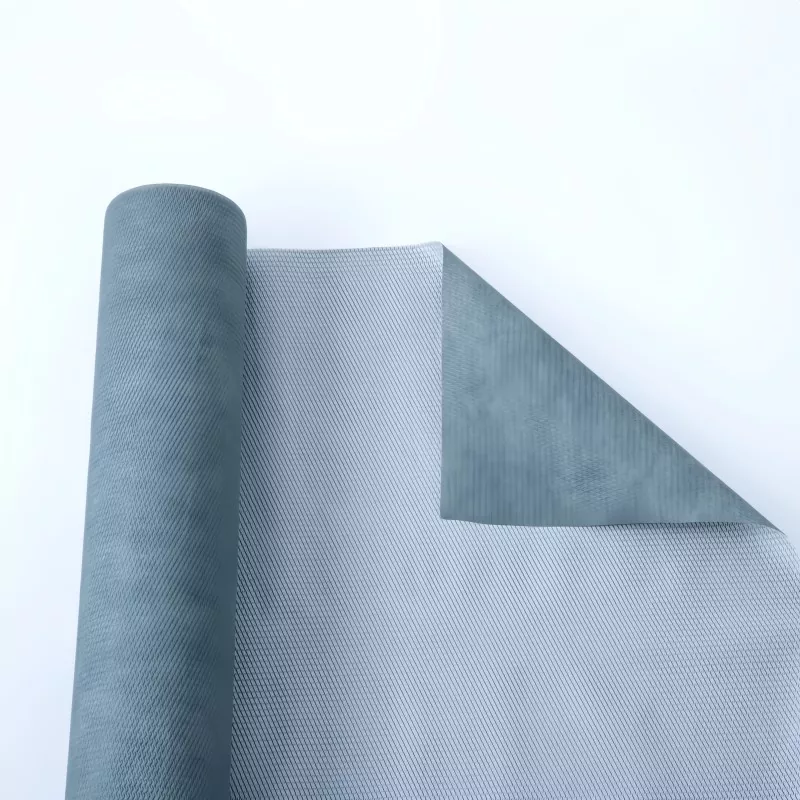
Table of Contents
- What Is a Breathable Membrane For Internal Walls?
- Why Internal Wall Moisture Control Matters
- How Breathable Membranes Work
- Key Benefits of Breathable Membranes
- Breathable Membrane vs Traditional Vapor Barrier
- Common Applications
- How to Choose the Right Membrane
- Installation Best Practices
- Common Mistakes to Avoid
- Future Trends in Building Membrane Technology
- Frequently Asked Questions
- Conclusion
What Is a Breathable Membrane For Internal Walls?
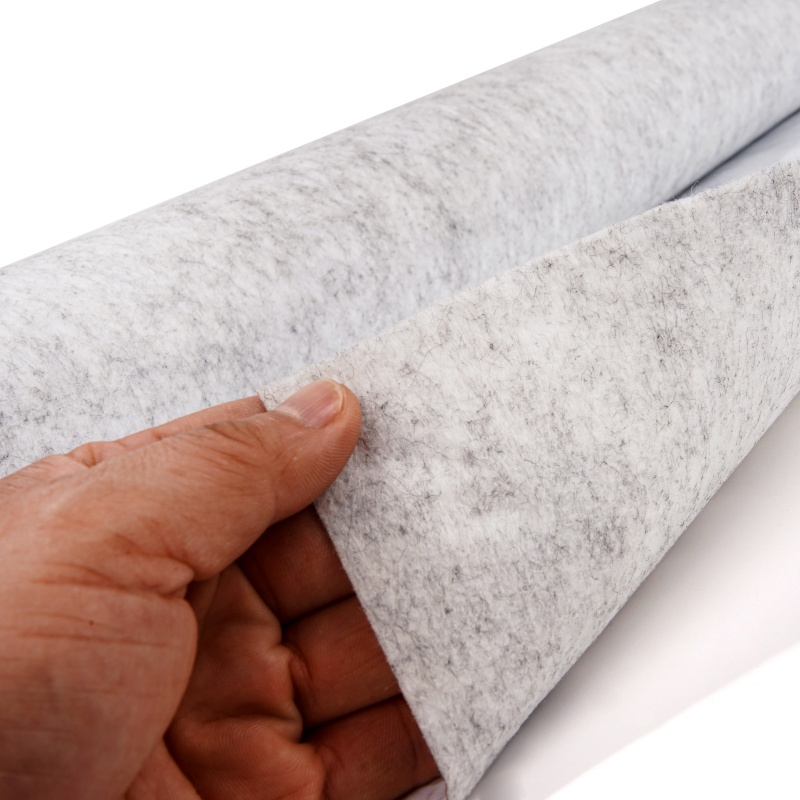
A breathable membrane for internal walls is a specialized building material designed to regulate moisture movement within wall assemblies. Unlike impermeable barriers that completely block vapor transmission, breathable membranes permit water vapor to pass through while helping protect wall structures from excessive moisture accumulation.
These membranes act as a moisture-management layer between construction materials, ensuring that trapped humidity can escape without compromising structural integrity.
They are commonly used in:
- Timber frame construction
- Drywall systems
- Insulated wall assemblies
- Renovation projects
- Commercial buildings
- Energy-efficient homes
Why Internal Wall Moisture Control Matters
Moisture is often invisible until significant damage has already occurred. Everyday activities such as cooking, showering, laundry, and even breathing generate substantial amounts of indoor humidity.
Without proper moisture management, water vapor can become trapped inside wall cavities, leading to:
- Mold and mildew growth
- Rotting timber structures
- Insulation degradation
- Peeling paint
- Reduced indoor air quality
- Structural damage
- Higher maintenance costs
Effective moisture control protects both the building and its occupants.
How Breathable Membranes Work
Breathable membranes utilize advanced micro-porous or monolithic technology. Their structure contains microscopic pathways that allow water vapor molecules to pass through while restricting liquid water penetration.
This creates a balanced environment where:
- Excess humidity escapes
- Wall cavities remain dry
- Insulation retains effectiveness
- Building materials last longer
The membrane continuously supports moisture equilibrium throughout changing weather conditions and occupancy patterns.
Key Benefits of Breathable Membranes
1. Enhanced Moisture Management
The primary purpose of a breathable membrane is controlling moisture migration. Proper moisture regulation significantly reduces the risk of condensation-related issues.
2. Improved Indoor Air Quality
Reducing dampness helps minimize mold growth, contributing to healthier indoor environments.
3. Better Energy Efficiency
Dry insulation performs more efficiently than wet insulation. Maintaining insulation effectiveness can lower heating and cooling costs.
4. Longer Building Lifespan
Protection against moisture damage extends the durability of timber, drywall, insulation, and other construction materials.
5. Reduced Maintenance Expenses
Preventing moisture problems today can save significant repair costs in the future.
Breathable Membrane vs Traditional Vapor Barrier
| Feature | Breathable Membrane | Traditional Vapor Barrier |
|---|---|---|
| Vapor Transmission | Allows controlled passage | Blocks vapor movement |
| Condensation Risk | Lower | Potentially higher |
| Wall Drying Capability | Excellent | Limited |
| Building Longevity | Improved | Depends on conditions |
| Energy Performance | High | Variable |
Common Applications
- Residential housing projects
- Apartment buildings
- Schools and universities
- Healthcare facilities
- Office buildings
- Hotels and hospitality properties
- Renovation and restoration projects
- Passive and low-energy homes
How to Choose the Right Membrane
Selecting the correct breathable membrane depends on several critical factors:
- Vapor permeability rating
- Wall construction type
- Climate conditions
- Compatibility with insulation materials
- Mechanical strength
- Fire performance requirements
- Installation environment
- Long-term durability expectations
A well-chosen membrane contributes significantly to building performance over decades of use.
Installation Best Practices
Even the highest-quality membrane requires proper installation.
- Follow manufacturer guidelines carefully
- Ensure continuous membrane coverage
- Seal overlaps properly
- Avoid punctures and tears
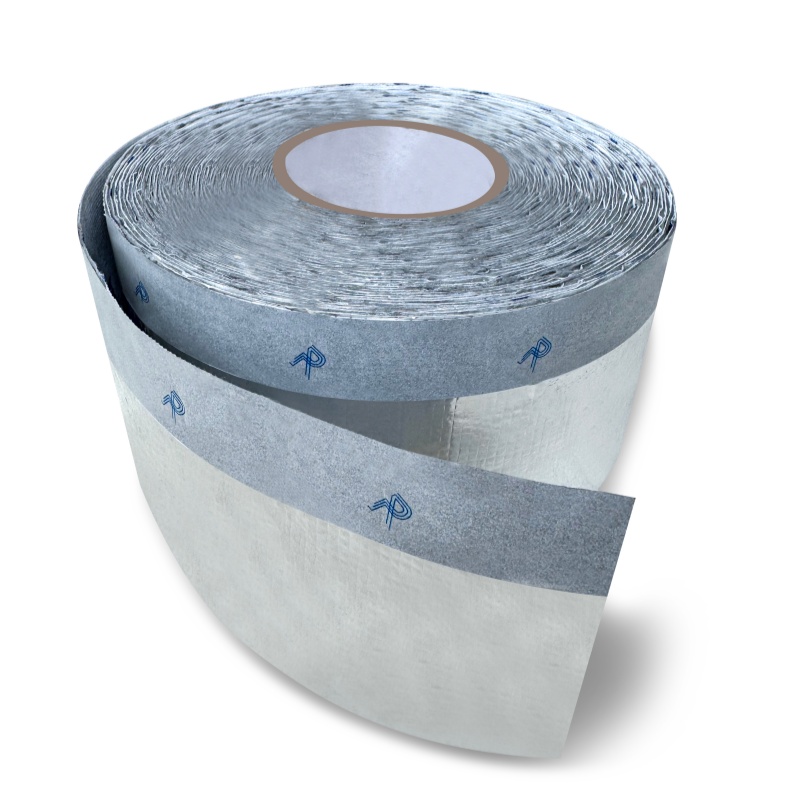
- Use compatible tapes and accessories
- Inspect all joints and penetrations
- Verify wall cavity ventilation requirements
Professional installation can maximize membrane effectiveness and durability.
Common Mistakes to Avoid
- Using the wrong membrane for the climate
- Ignoring vapor permeability specifications
- Poor overlap sealing
- Damaging the membrane during construction
- Combining incompatible materials
- Neglecting moisture assessment during design
- Failing to inspect installation quality
Avoiding these mistakes helps ensure long-term building protection.
Future Trends in Building Membrane Technology
As buildings become increasingly energy efficient, moisture management technology continues to evolve.
Emerging trends include:
- Smart adaptive vapor membranes
- Higher durability composite structures
- Environmentally responsible materials
- Improved fire-resistant designs
- Enhanced installation systems
- Integrated building envelope solutions
These innovations are helping create healthier and more resilient buildings worldwide.
Frequently Asked Questions
Q1: Can breathable membranes prevent mold growth?
They help reduce moisture accumulation, which significantly lowers the conditions that encourage mold development.
Q2: Are breathable membranes suitable for renovations?
Yes. They are frequently used in retrofit projects to improve moisture management and energy performance.
Q3: Do breathable membranes improve insulation efficiency?
Yes. By keeping insulation dry, they help maintain thermal performance.
Q4: How long do breathable membranes last?
High-quality products can provide reliable performance for decades when installed correctly.
Q5: Can they be used in commercial buildings?
Absolutely. They are widely used across residential, commercial, institutional, and industrial construction sectors.
Q6: Is professional installation recommended?
Professional installation is strongly recommended to achieve maximum performance and long-term reliability.
Conclusion
A high-quality Breathable Membrane For Internal Walls is no longer simply an optional building component—it has become a crucial part of modern moisture management strategies. By allowing wall assemblies to breathe while protecting against excessive moisture accumulation, breathable membranes help improve indoor comfort, protect structural materials, enhance energy efficiency, and extend building lifespan.
Whether you are constructing a new building or upgrading an existing property, investing in the right membrane solution can deliver long-term performance benefits and substantial cost savings.
Xiong County Xiashi Packing Co., Ltd. specializes in advanced membrane and packaging material solutions designed to meet the demanding requirements of modern construction projects.
From product consultation to customized manufacturing support, our experienced team is committed to helping customers achieve superior building protection and long-term performance. Contact Us Today to discuss your project requirements and discover how our breathable membrane solutions can add value to your next construction or renovation project.
Related News
- Providing Global Customers With One-Stop Building Envelope Material Solutions
- Modern Building Envelopes—The Importance Of Water-Resistant, Breathable Membranes
- Smart Microporous Filtration: Blocking Rain, Venting Moisture
- Waterproof Breathable Membrane - "Breathing Protective Suit" For Modern Building Envelopes
- Xiashi Packing Overseas Market Visit: Real Project Applications Of Breathable Membranes
- The Functions And Common Types Of Breathable Membrane
Leave me a message


 Miranda
 Miranda