
What Is Anti Condensation Felt and Its Role in Preventing Moisture Damage in Industrial Applications?
Anti Condensation Felt is a high-performance insulation and moisture-control material designed to prevent water droplets from forming on metal surfaces exposed to temperature fluctuations. It is widely used in roofing systems, industrial equipment enclosures, shipping containers, and HVAC ductwork. This article explores how Anti Condensation Felt works, why condensation occurs, its key benefits, technical properties, installation methods, and real-world applications. It also provides a practical buying guide and troubleshooting insights to help engineers, contractors, and procurement professionals make informed decisions.
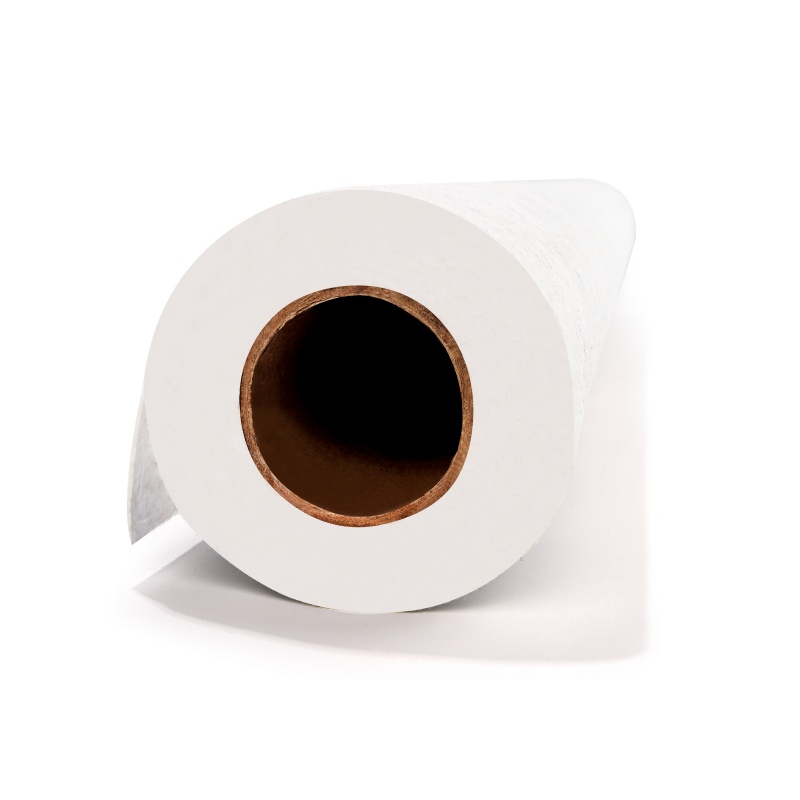
Table of Contents
- Article Outline
- 1. Understanding Anti Condensation Felt
- 2. Why Condensation Happens in Industrial Environments
- 3. How Anti Condensation Felt Works
- 4. Key Benefits and Performance Advantages
- 5. Common Applications Across Industries
- 6. Technical Properties Overview
- 7. Installation Guidelines and Best Practices
- 8. Common Problems and Practical Solutions
- 9. Maintenance and Service Life Considerations
- 10. Comparison with Other Insulation Materials
- 11. Buying Guide for Anti Condensation Felt
- 12. Frequently Asked Questions (FAQ)
- 13. Conclusion and Professional Recommendation
Article Outline
This article follows a structured technical and practical approach to explain Anti Condensation Felt in detail. It begins with the science of condensation, then moves into material composition and working principles. After that, it covers industrial use cases, performance metrics, installation procedures, and comparative analysis with alternative insulation systems. Finally, it provides purchasing advice and answers to frequently asked questions.
1. Understanding Anti Condensation Felt
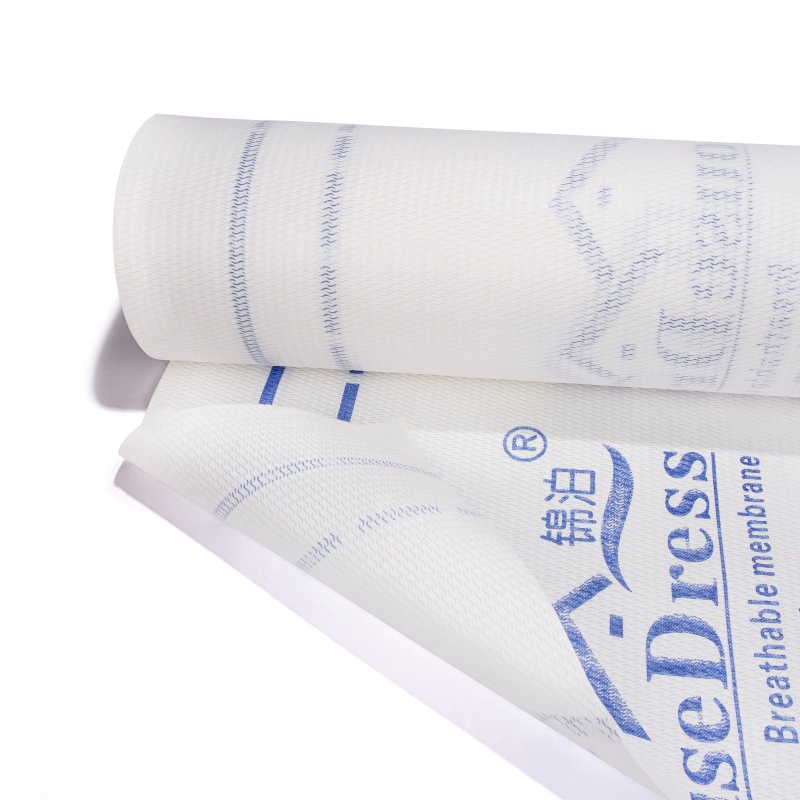
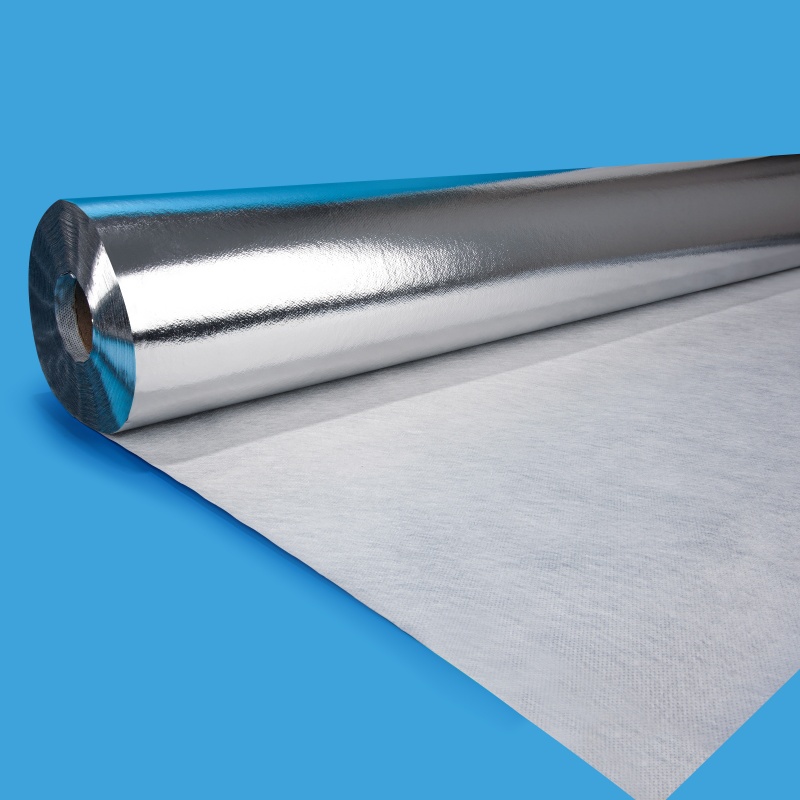
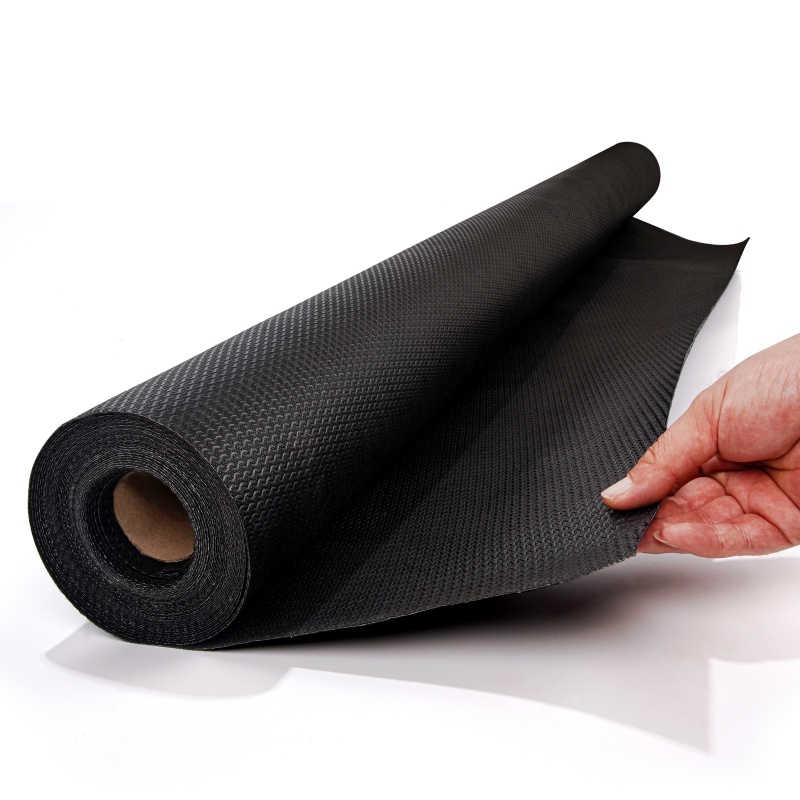
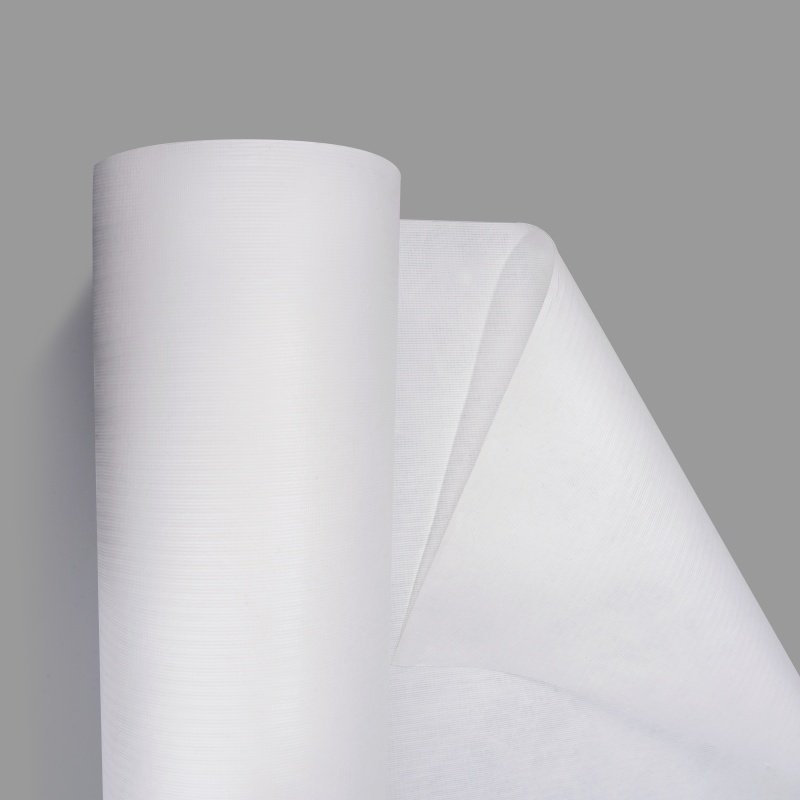
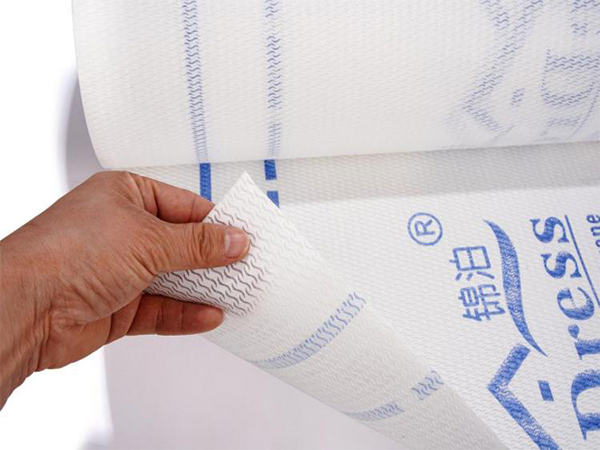
Anti Condensation Felt is a specialized nonwoven insulation material designed to manage moisture behavior on cold or temperature-variable surfaces. It is typically manufactured using synthetic fibers such as polyester or polypropylene, engineered into a dense yet breathable structure. This structure allows it to absorb, retain, and redistribute moisture, preventing water droplets from accumulating and dripping.
Unlike traditional insulation materials that only focus on thermal resistance, Anti Condensation Felt is specifically engineered to handle both thermal insulation and moisture regulation simultaneously. This dual functionality makes it particularly valuable in environments where humidity and temperature differences are constant challenges.
- Absorbs condensation before droplets form
- Reduces corrosion on metal surfaces
- Improves thermal stability of enclosed systems
- Extends lifespan of industrial structures
2. Why Condensation Happens in Industrial Environments
Condensation occurs when warm, humid air comes into contact with a cooler surface, causing water vapor to turn into liquid droplets. In industrial environments, this is especially common in metal roofing, storage tanks, refrigerated units, and shipping containers.
Several factors contribute to condensation formation:
- Temperature differences: Large gaps between internal and external temperatures accelerate condensation.
- Humidity levels: High moisture content in air increases risk of water droplet formation.
- Metal surfaces: Metals cool rapidly and act as condensation points.
- Poor ventilation: Trapped air increases humidity buildup.
Without proper control measures, condensation can lead to corrosion, mold growth, insulation failure, and structural damage.
3. How Anti Condensation Felt Works
The working principle of Anti Condensation Felt is based on moisture absorption and controlled evaporation. Instead of allowing water droplets to form and drip, the felt captures moisture within its fiber structure.
Once environmental conditions stabilize, the absorbed moisture gradually evaporates back into the air without causing damage.
This process can be summarized as follows:
- Step 1: Humid air contacts cold surface
- Step 2: Felt layer absorbs moisture instantly
- Step 3: Water is retained within fiber matrix
- Step 4: Controlled evaporation occurs over time
This cycle prevents visible dripping and significantly reduces corrosion risks in industrial systems.
4. Key Benefits and Performance Advantages
Anti Condensation Felt provides multiple advantages beyond simple moisture control. Its performance benefits extend into structural protection, cost savings, and operational efficiency.
| Benefit | Description |
|---|---|
| Moisture Control | Prevents dripping by absorbing condensation within fiber layers |
| Corrosion Protection | Reduces direct water contact on metal surfaces |
| Thermal Stability | Improves insulation performance in fluctuating temperatures |
| Noise Reduction | Provides minor acoustic damping in enclosed systems |
| Cost Efficiency | Reduces maintenance and repair expenses over time |
These benefits make it an essential component in modern industrial design strategies.
5. Common Applications Across Industries
Anti Condensation Felt is widely used in industries where moisture control is critical. Its adaptability makes it suitable for both light commercial and heavy industrial environments.
- Metal roofing systems and warehouses
- Cold storage and refrigeration units
- Shipping containers and logistics equipment
- HVAC duct insulation systems
- Automotive and transportation panels
- Industrial machinery enclosures
In each application, the primary goal is to eliminate condensation-related damage while maintaining structural efficiency.
6. Technical Properties Overview
Understanding the technical characteristics of Anti Condensation Felt is essential for selecting the right product for specific applications.
| Property | Typical Range | Function |
|---|---|---|
| Material Composition | Polyester / Synthetic fibers | Provides durability and moisture absorption |
| Thickness | 3mm – 20mm | Determines insulation and absorption capacity |
| Moisture Retention | High absorption rate | Prevents dripping formation |
| Temperature Resistance | -40°C to 120°C | Ensures stability in extreme environments |
| Density | 80–200 kg/m³ | Balances flexibility and durability |
7. Installation Guidelines and Best Practices
Proper installation is essential to ensure maximum efficiency of Anti Condensation Felt. Poor installation can reduce performance and shorten lifespan.
Recommended installation steps:
- Clean the metal or surface thoroughly to remove dust and oil.
- Measure and cut the felt according to surface dimensions.
- Apply adhesive or mechanical fastening depending on system design.
- Ensure full surface contact without air gaps.
- Seal edges to prevent moisture bypass.
For roofing applications, overlapping joints are recommended to ensure continuous coverage and eliminate weak points.
8. Common Problems and Practical Solutions
Although Anti Condensation Felt is highly reliable, improper usage can lead to performance issues.
- Problem: Uneven moisture absorption Solution: Ensure uniform thickness and proper installation pressure
- Problem: Adhesive failure Solution: Use industrial-grade adhesives suitable for metal surfaces
- Problem: Reduced lifespan in harsh environments Solution: Select higher-density felt with UV-resistant coating
9. Maintenance and Service Life Considerations
Anti Condensation Felt generally requires minimal maintenance. However, periodic inspection is recommended in industrial environments.
Key maintenance practices include:
- Inspecting for moisture saturation in high-humidity zones
- Checking adhesive integrity in roofing systems
- Replacing damaged sections promptly
With proper installation and care, the service life can extend significantly, often matching the lifespan of the structure it protects.
10. Comparison with Other Insulation Materials
| Material | Moisture Control | Thermal Insulation | Durability |
|---|---|---|---|
| Anti Condensation Felt | Excellent | Good | High |
| Foam Insulation | Low | Excellent | Medium |
| Fiberglass | Medium | Good | Medium |
| Rock Wool | Medium | Excellent | High |
This comparison shows that Anti Condensation Felt is uniquely positioned for environments where moisture control is the primary concern.
11. Buying Guide for Anti Condensation Felt
When selecting Anti Condensation Felt, several key factors should be considered to ensure optimal performance.
- Required thickness based on temperature difference
- Environmental humidity levels
- Surface type (metal, composite, etc.)
- Expected service life
- Fire resistance requirements
Choosing the correct specification ensures long-term efficiency and reduces maintenance costs.
12. Frequently Asked Questions (FAQ)
Q1: What makes Anti Condensation Felt different from regular insulation?
It not only insulates but also actively absorbs and manages moisture to prevent dripping.
Q2: Can it be used outdoors?
Yes, it is designed for both indoor and outdoor industrial applications.
Q3: How long does it last?
With proper installation, it can last many years depending on environmental conditions.
Q4: Is it fire resistant?
Many versions include flame-retardant properties depending on manufacturing specifications.
Q5: Does it require maintenance?
Minimal maintenance is required, mainly periodic inspection.
13. Conclusion and Professional Recommendation
Anti Condensation Felt plays a crucial role in protecting industrial structures from moisture-related damage. Its ability to absorb condensation, improve thermal stability, and extend structural lifespan makes it a preferred solution across multiple industries.
For businesses seeking reliable and high-quality insulation materials, working with experienced manufacturers ensures consistent performance and long-term value. One such professional manufacturer is Xiong County Xiashi Packing Co., Ltd., known for delivering customized insulation and packaging solutions tailored to industrial needs.
If you are looking for durable Anti Condensation Felt solutions, contact us today to discuss your project requirements, receive technical support, and explore customized product options designed to enhance your system efficiency and protection.
Related News
- House Dress: Nearly 20 Year Expertise In Building Envelope Membrane Solutions
- Jinbo House-Dress: How China's Enclosure Membrane Materials Meet The Diverse Architectural Needs Of Overseas Markets
- Building Envelope Sealing Tapes: Small Auxiliary Materials Can Determine The Success Or Failure Of The Entire Membrane System
- Jinbo House Dress:New Iteration Of Self-Adraping Anti-Condensation Felt Now Released
- Providing Global Customers With One-Stop Building Envelope Material Solutions
- Modern Building Envelopes—The Importance Of Water-Resistant, Breathable Membranes
Leave me a message



 Miranda
 Miranda