Why Is 9 ft Breathable Membrane Becoming Essential for Modern Construction Waterproofing Systems?
The construction and building materials industry has experienced rapid evolution in waterproofing and moisture control technologies. Among these innovations, the 9 ft Breathable Membrane has emerged as a critical solution for protecting structures against water ingress while allowing vapor permeability. This dual-function performance helps maintain structural integrity, reduce condensation risks, and improve energy efficiency in both residential and commercial projects.
This article explores the functional principles, advantages, application scenarios, installation guidelines, and selection considerations of 9 ft breathable membranes. It also addresses common challenges faced by contractors, architects, and homeowners when dealing with moisture control systems. By the end of this guide, readers will understand how this material contributes to long-term building durability and performance optimization.
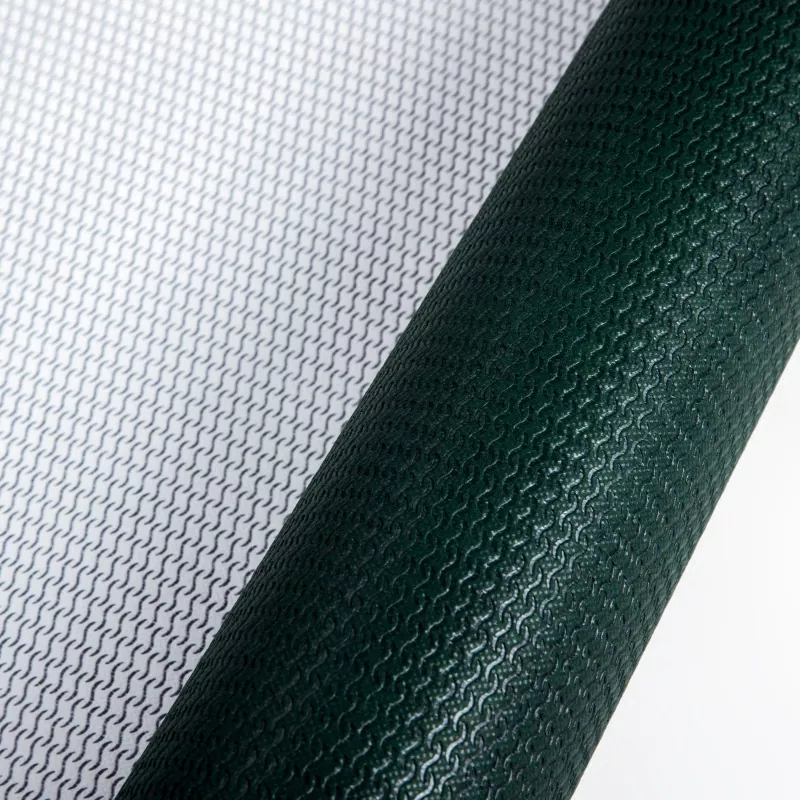
Table of Contents
- 1. Overview of 9 ft Breathable Membrane
- 2. How Breathable Membranes Work
- 3. Key Benefits in Modern Construction
- 4. Major Application Scenarios
- 5. Comparison with Traditional Waterproof Materials
- 6. Installation Guidelines and Best Practices
- 7. How to Choose the Right Membrane
- 8. Common Problems and Solutions
- 9. Future Trends in Breathable Membrane Technology
- 10. Frequently Asked Questions
- Conclusion
1. Overview of 9 ft Breathable Membrane
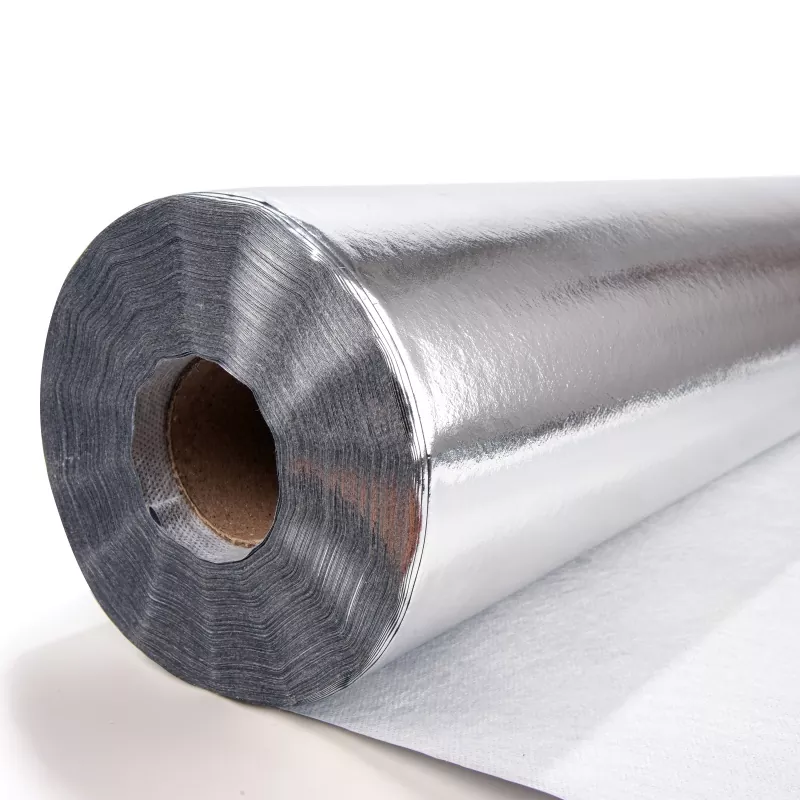
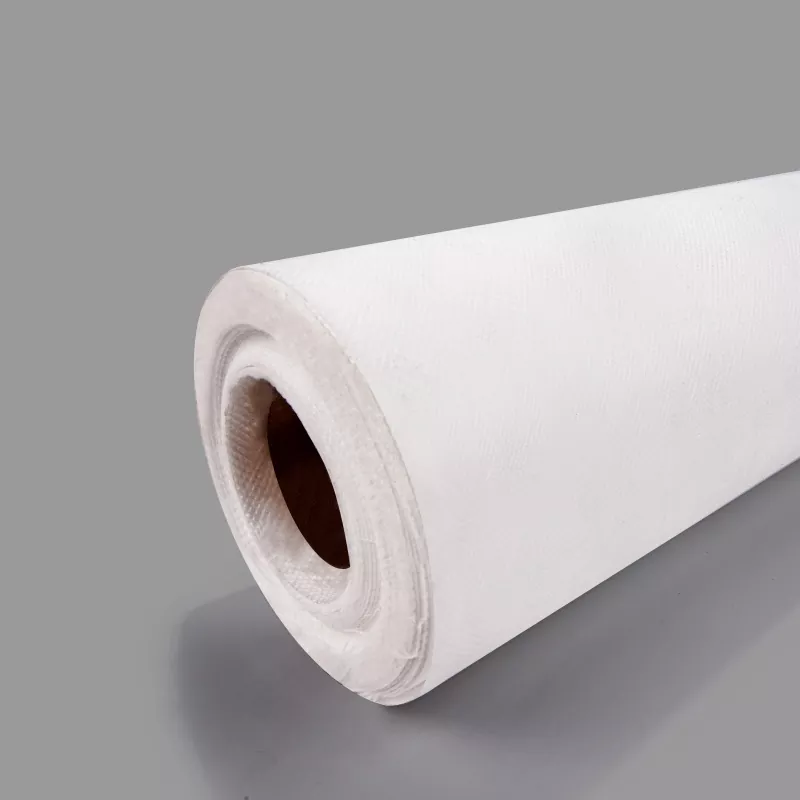
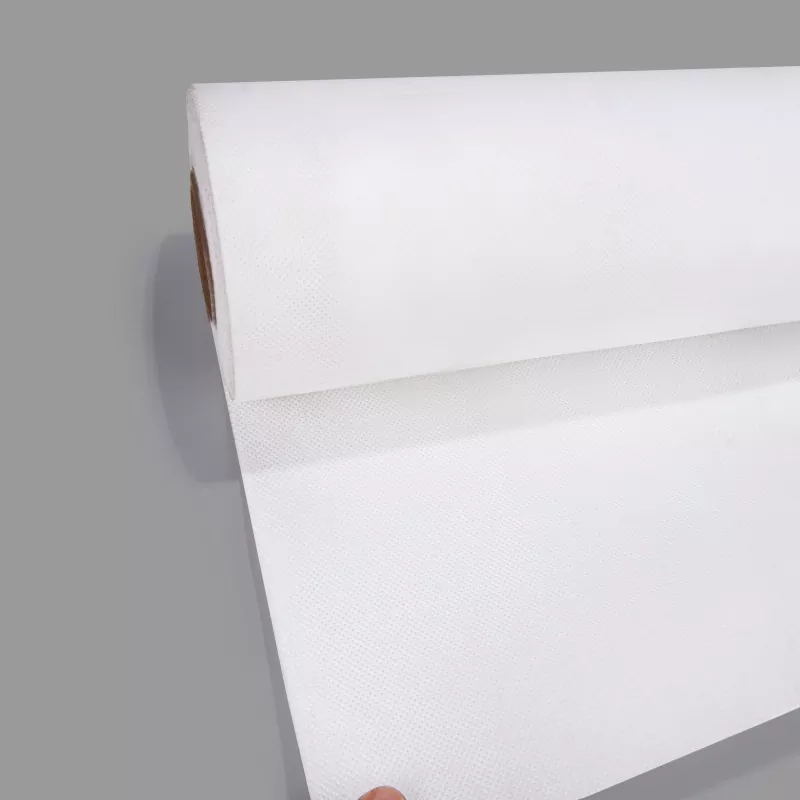
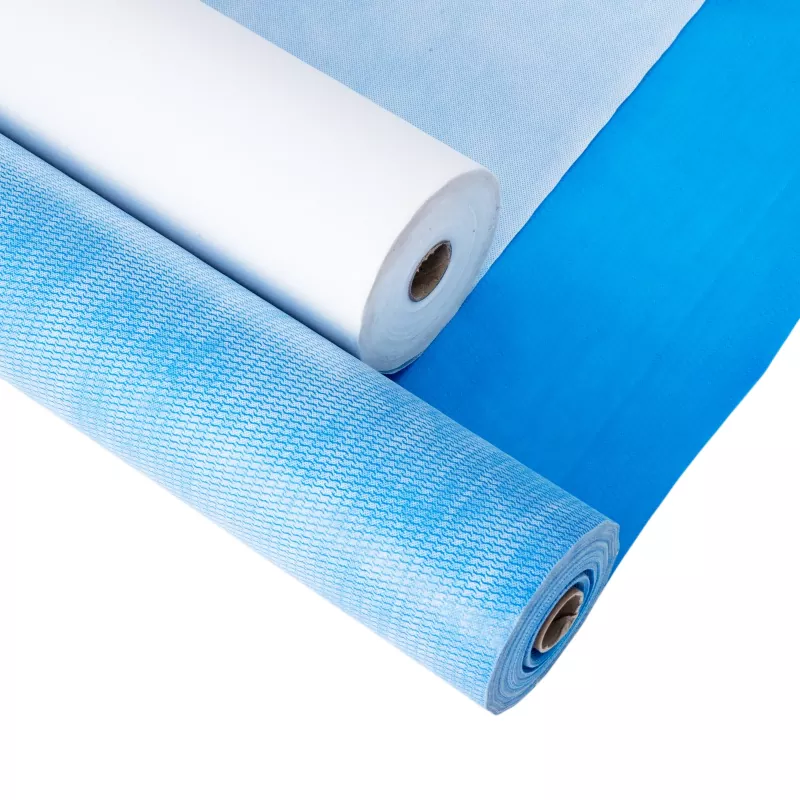
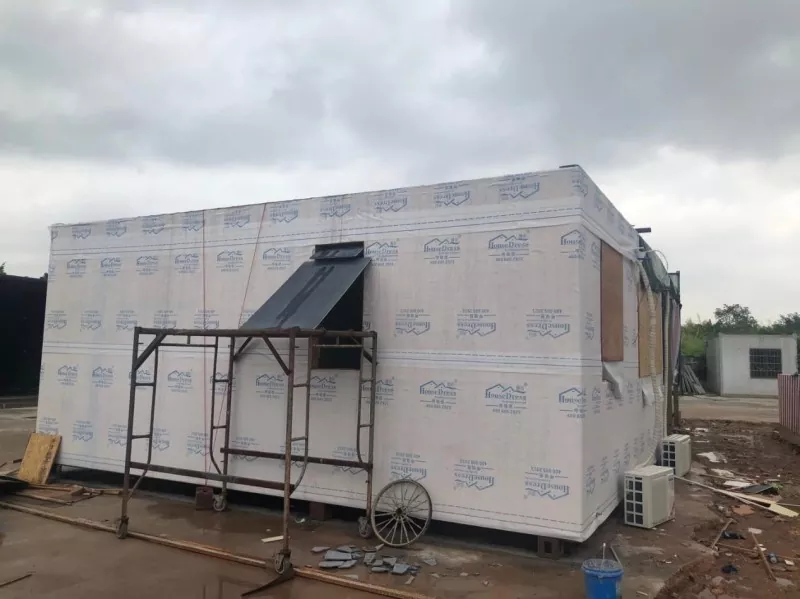
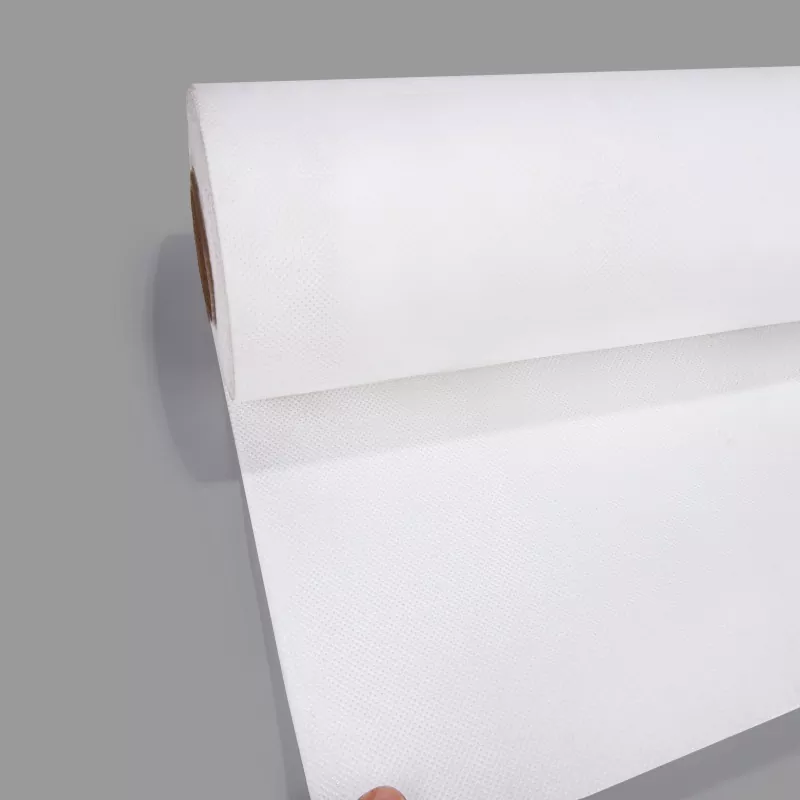
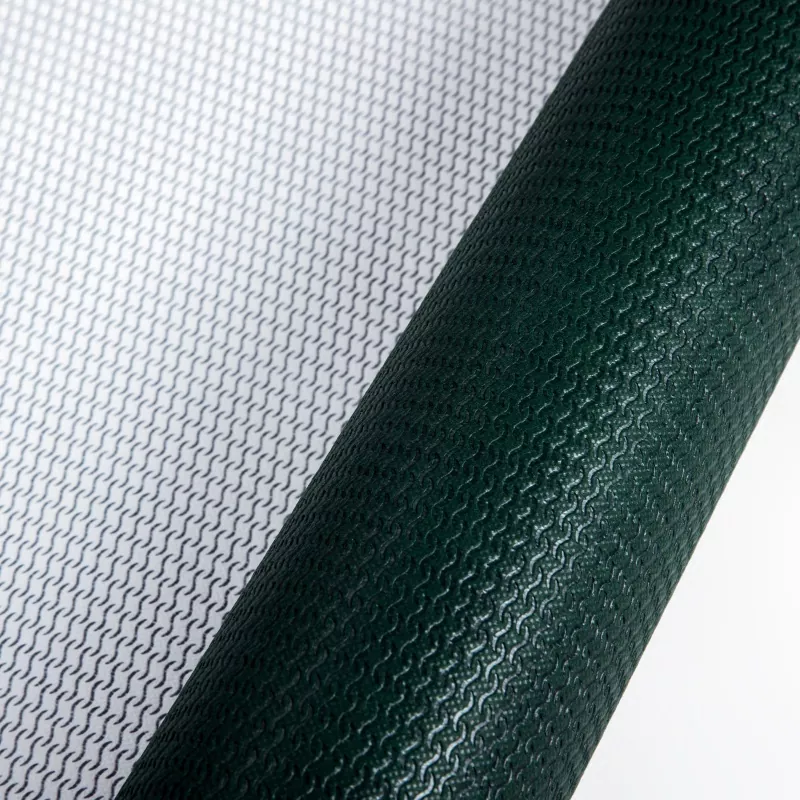
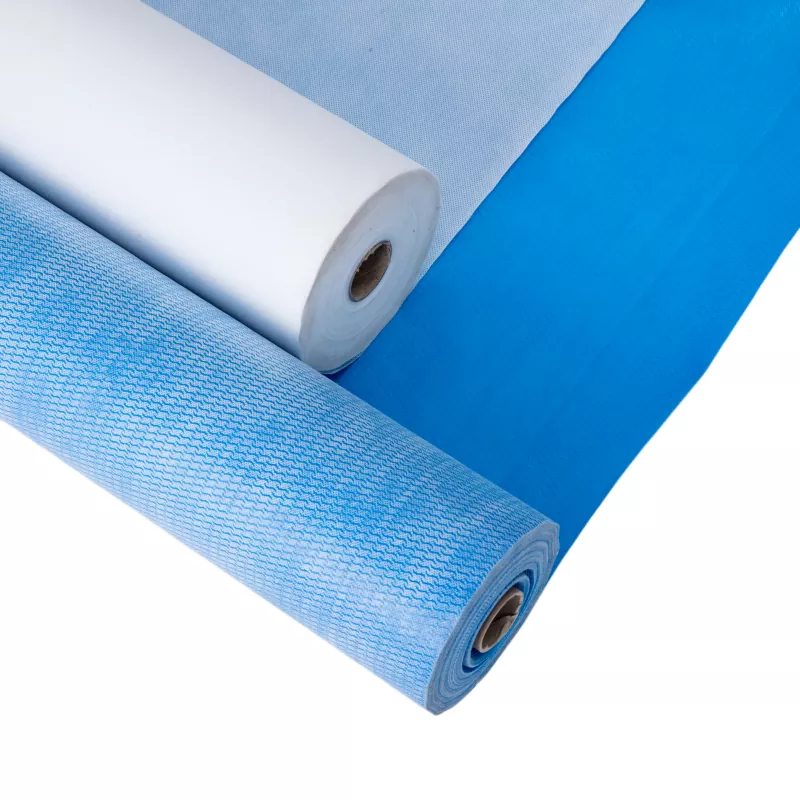
A 9 ft breathable membrane is a high-performance construction material designed to act as a protective layer in building envelopes. It typically comes in wide rolls (9 feet in width), making it suitable for covering large surface areas efficiently with fewer seams. The membrane is engineered to block external water penetration such as rain or snow while allowing internal moisture vapor to escape.
This balance between waterproofing and breathability is what differentiates it from traditional plastic sheets or tar-based barriers. Instead of trapping moisture inside walls or roofing systems, it helps structures "breathe," preventing mold growth, rot, and insulation degradation.
In modern architecture, energy efficiency and building longevity are key priorities. The 9 ft breathable membrane supports both by enhancing thermal performance and reducing maintenance costs over time.
2. How Breathable Membranes Work
The working mechanism of breathable membranes is based on micro-porous or monolithic film technology. These membranes contain microscopic pores that are small enough to block liquid water droplets but large enough to allow water vapor molecules to pass through.
This selective permeability creates a dynamic moisture management system within the building envelope.
- External Protection: Blocks rainwater, wind-driven moisture, and environmental exposure.
- Internal Vapor Release: Allows humidity generated inside the building to escape.
- Temperature Regulation: Reduces condensation and stabilizes internal temperature fluctuations.
The result is a controlled environment that significantly reduces structural damage risks caused by trapped moisture.
3. Key Benefits in Modern Construction
The use of 9 ft breathable membrane offers several advantages that directly address common construction challenges such as moisture accumulation, energy inefficiency, and structural deterioration.
| Benefit | Description |
|---|---|
| Moisture Control | Prevents water infiltration while allowing vapor escape. |
| Energy Efficiency | Improves insulation performance and reduces heating/cooling loss. |
| Mold Prevention | Reduces damp environments where mold thrives. |
| Structural Protection | Extends lifespan of walls, roofing, and insulation layers. |
| Ease of Installation | Wide 9 ft roll reduces seams and installation time. |
These benefits make breathable membranes a preferred choice in both new construction and renovation projects.
4. Major Application Scenarios
The versatility of the 9 ft breathable membrane allows it to be used across multiple construction environments. Below are the most common applications:
- Roofing Systems: Acts as a secondary waterproof layer under tiles or metal sheets.
- Wall Cladding: Protects external walls from rain penetration while allowing ventilation.
- Timber Frame Construction: Prevents moisture damage to wooden structures.
- Commercial Buildings: Enhances energy efficiency in large-scale projects.
- Residential Housing: Improves indoor comfort and reduces maintenance costs.
In regions with high humidity or frequent rainfall, breathable membranes are especially valuable for long-term building protection.
5. Comparison with Traditional Waterproof Materials
Traditional waterproof materials such as bituminous coatings, polyethylene sheets, and tar-based barriers have been widely used for decades. However, they often fail to address vapor control issues.
| Feature | Breathable Membrane | Traditional Waterproofing |
|---|---|---|
| Water Resistance | High | High |
| Vapor Permeability | Yes | No |
| Mold Prevention | Strong | Weak |
| Installation Efficiency | Fast | Moderate |
| Long-Term Performance | High | Moderate |
This comparison highlights why breathable membranes are increasingly replacing conventional waterproofing systems in modern construction projects.
6. Installation Guidelines and Best Practices
Proper installation is essential to ensure the effectiveness of a 9 ft breathable membrane. Incorrect application can reduce performance and compromise building protection.
- Ensure the surface is clean, dry, and free from sharp debris before installation.
- Overlap seams by at least 100–150 mm to prevent water leakage.
- Use appropriate fixing tools such as corrosion-resistant nails or staples.
- Install from bottom to top to allow natural water drainage.
- Avoid stretching the membrane excessively during installation.
Following these practices ensures maximum durability and optimal performance of the membrane system.
7. How to Choose the Right Membrane
Selecting the correct breathable membrane depends on several project-specific factors. Below are key considerations:
- Material Composition: Polypropylene-based membranes offer strong durability.
- Thickness: Thicker membranes provide better mechanical strength.
- Vapor Permeability Rate: Higher rates improve moisture control.
- UV Resistance: Important for exposed installations.
- Width (9 ft advantage): Reduces seams and improves coverage efficiency.
Choosing the right specification ensures long-term performance and cost efficiency.
8. Common Problems and Solutions
While breathable membranes are highly effective, improper usage or environmental conditions can lead to certain challenges.
-
Problem: Improper sealing at joints
Solution: Use high-quality sealing tapes and ensure proper overlap. -
Problem: Mechanical damage during installation
Solution: Handle with care and avoid sharp tools near the surface. -
Problem: UV exposure degradation
Solution: Cover membrane promptly with roofing or cladding materials.
9. Future Trends in Breathable Membrane Technology
The future of breathable membrane technology is focused on enhancing durability, sustainability, and multifunctionality. Innovations include nano-coating technologies, recyclable materials, and smart moisture-responsive membranes.
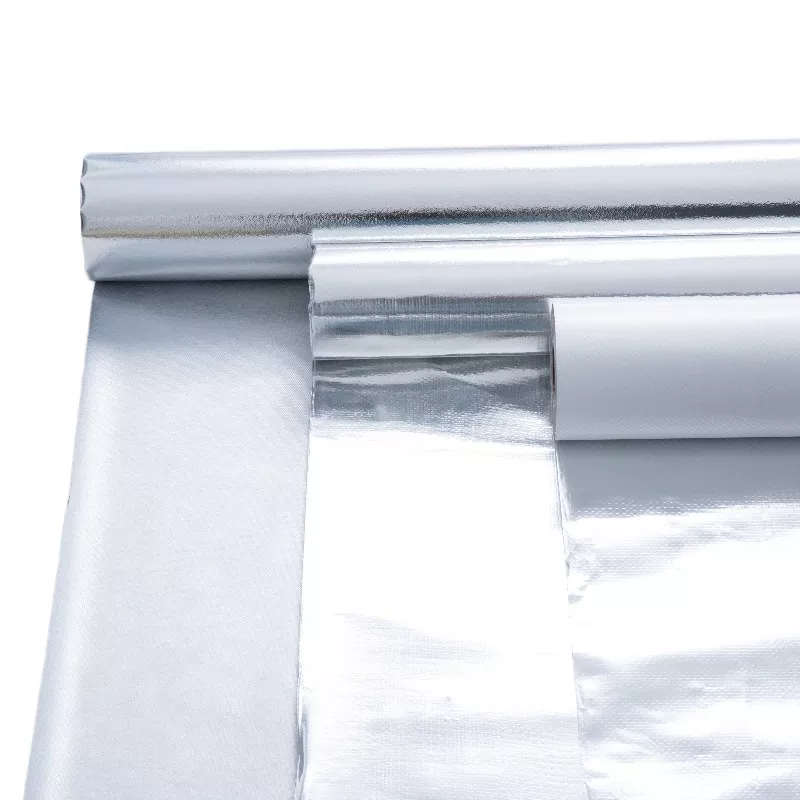
Manufacturers are also working on improving thermal reflection properties and integrating fire-resistant additives to meet stricter building regulations worldwide.
As construction demands evolve, breathable membranes will continue to play a central role in energy-efficient and environmentally conscious building design.
10. Frequently Asked Questions
Q1: What is the main purpose of a 9 ft breathable membrane?
It is used to prevent water penetration while allowing vapor to escape, protecting building structures from moisture damage.
Q2: Can it be used in both roofing and wall systems?
Yes, it is suitable for both applications depending on the project requirements.
Q3: How long does a breathable membrane last?
With proper installation, it can last several decades depending on environmental conditions.
Q4: Is it better than plastic waterproof sheets?
Yes, because it provides both waterproofing and breathability, unlike plastic sheets which trap moisture.
Q5: Does installation require professional assistance?
While experienced DIY users may install it, professional installation is recommended for large projects.
Conclusion
The 9 ft breathable membrane has become an essential component in modern construction due to its ability to balance waterproofing and vapor permeability. Its wide application range, ease of installation, and long-term protective benefits make it a superior alternative to traditional moisture barriers.
As buildings become more energy-efficient and environmentally demanding, this material will continue to play a vital role in ensuring structural durability and indoor comfort. Whether used in residential, commercial, or industrial projects, breathable membranes deliver consistent performance and long-term value.
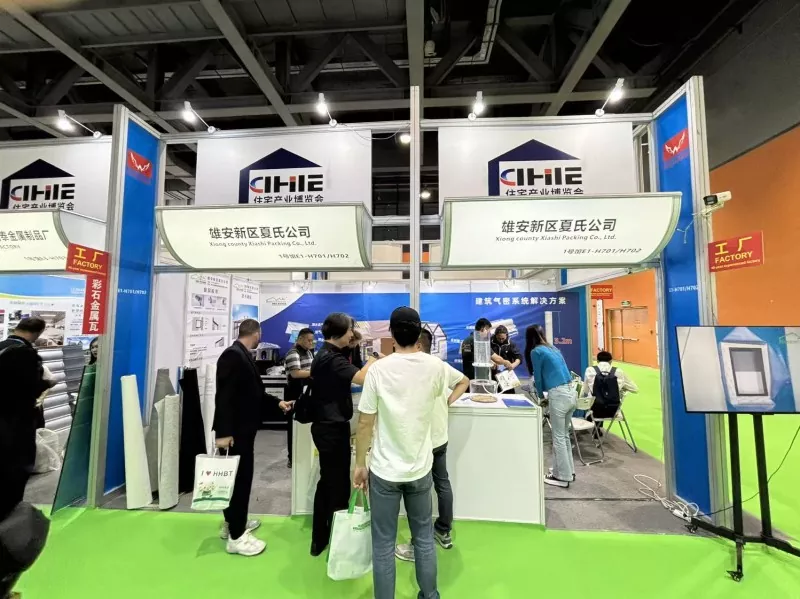
For high-quality manufacturing solutions and customized breathable membrane products, Xiong County Xiashi Packing Co., Ltd. provides reliable production capabilities and professional material support tailored to global construction needs.
If you are looking for durable, efficient, and cost-effective breathable membrane solutions, feel free to contact us to discuss your project requirements and receive professional assistance.
Related News
- Why Is House Wrap Breathable Membrane Essential for Modern Buildings?
- Protecting North American Homes with Waterproof Breathable Membranes
- Are Australian Modular Homes Failing Due to Poor WRB Installation?
- Why Is Vapor Barrier Essential for Long-Term Building Protection?
- Why Non Overlap Breathable Membrane Is Transforming Modern Waterproof and Ventilation Systems?
- Is Vapour Barrier the Key to Modern Building Efficiency and Sustainability
Leave me a message
 Miranda