
Why Is Vapor Barrier Essential for Long-Term Building Protection?
Moisture damage is one of the most expensive and hidden problems in residential, commercial, and industrial construction. A properly selected vapor barrier helps prevent condensation, mold growth, insulation failure, structural decay, and indoor air quality issues. This article explains how vapor barriers work, where they should be installed, which materials perform best, and how property owners can avoid costly installation mistakes. Whether you are building a new structure or upgrading an old one, understanding vapor barriers can significantly improve durability, comfort, and energy efficiency.
Table of Contents
- What Is a Vapor Barrier?
- How Does a Vapor Barrier Work?
- Why Is Moisture Control Important?
- Types of Vapor Barrier Materials
- Common Applications
- Installation Best Practices
- Common Mistakes to Avoid
- Vapor Barrier vs Vapor Retarder
- Climate Considerations
- Industrial and Commercial Uses
- Key Benefits
- How to Choose the Right Product
- Maintenance and Inspection
- Future Trends
- FAQ
- Conclusion
What Is a Vapor Barrier?
A vapor barrier is a material designed to resist moisture diffusion through walls, floors, ceilings, roofs, and foundations. Water vapor naturally moves from areas of high humidity to low humidity. Without protection, this invisible moisture can enter building assemblies and create serious long-term problems.
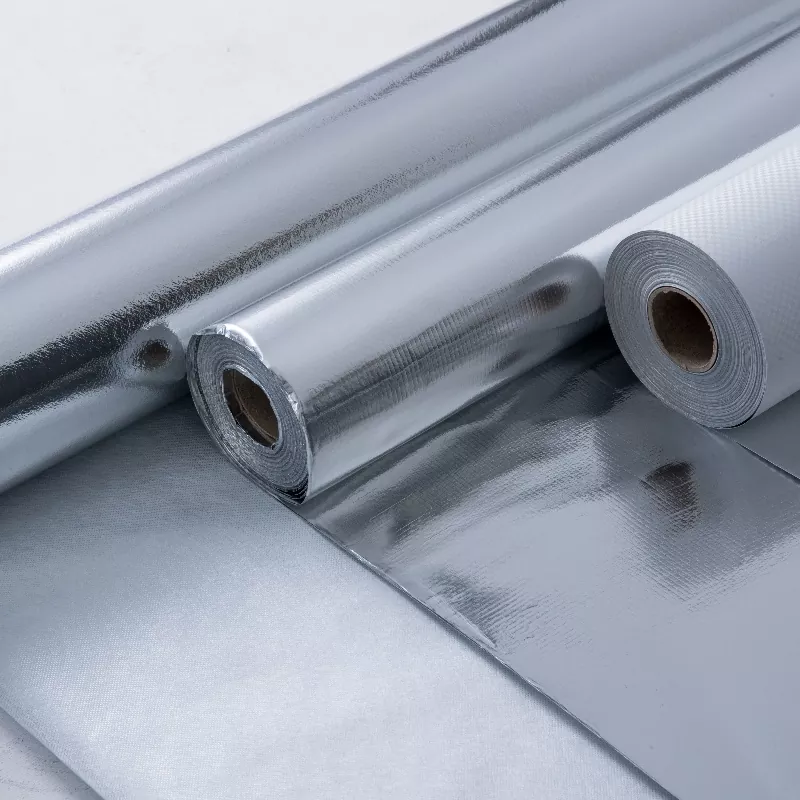
Most vapor barriers are made from polyethylene plastic sheets, foil membranes, reinforced films, or specialized coatings. They are installed to reduce the movement of water vapor into insulation systems and structural materials.
In modern construction, vapor barriers are critical because buildings are becoming more airtight and energy efficient. While tighter structures improve temperature control, they can also trap moisture inside if vapor management is neglected.
Key Purpose: A vapor barrier protects buildings from hidden moisture accumulation that may cause mold, corrosion, wood rot, insulation degradation, and reduced indoor comfort.
How Does a Vapor Barrier Work?
Warm air often contains moisture. When this warm, humid air meets a colder surface, condensation occurs. This process is similar to water droplets forming on a cold glass.
Inside buildings, condensation may occur within walls, beneath flooring systems, or inside roofing assemblies. Over time, trapped moisture damages construction materials and weakens structural integrity.
A vapor barrier slows or blocks moisture migration before condensation forms inside critical areas.
| Process | Result Without Barrier | Result With Barrier |
|---|---|---|
| Humidity movement | Moisture enters wall system | Moisture flow controlled |
| Condensation | Water accumulation occurs | Condensation minimized |
| Insulation performance | Reduced efficiency | Stable thermal performance |
| Structural lifespan | Potential deterioration | Extended durability |
Why Is Moisture Control Important?
Moisture problems are often hidden until severe damage appears. By the time paint peels, flooring warps, or mold spreads, internal damage may already be extensive.
Proper moisture management offers several advantages:
- Prevents mold and mildew growth
- Protects insulation effectiveness
- Improves indoor air quality
- Reduces maintenance costs
- Extends building lifespan
- Enhances energy efficiency
- Prevents wood rot and corrosion
- Improves occupant comfort
In humid environments, crawl spaces and basements are especially vulnerable. Concrete slabs can continuously release moisture vapor for years after construction. Without a vapor barrier, flooring systems may fail prematurely.
What Types of Vapor Barrier Materials Are Available?
Different construction projects require different vapor barrier materials depending on climate conditions, durability requirements, and installation environments.
| Material Type | Features | Common Uses |
|---|---|---|
| Polyethylene Film | Affordable and flexible | Walls, crawl spaces, flooring |
| Foil Membrane | Excellent vapor resistance | Roofing and insulation systems |
| Reinforced Vapor Barrier | High puncture resistance | Industrial floors and foundations |
| Liquid-Applied Coating | Seamless coverage | Concrete surfaces |
| Smart Membranes | Adaptive permeability | Energy-efficient buildings |
Manufacturers like Xiong County Xiashi Packing Co., Ltd. continue developing advanced packaging and moisture protection materials that support modern construction and industrial requirements.
Where Are Vapor Barriers Commonly Used?
Vapor barriers are used across residential, commercial, and industrial construction projects.
Residential Buildings
Installed in walls, attics, basements, and crawl spaces to protect insulation and improve comfort.
Commercial Structures
Used in offices, shopping centers, and warehouses where humidity control supports building longevity.
Industrial Facilities
Protects manufacturing areas, storage facilities, and temperature-sensitive environments.
Agricultural Buildings
Prevents condensation in barns, greenhouses, and livestock facilities.
How Should a Vapor Barrier Be Installed?
Correct installation is just as important as selecting the right material. Even a high-quality barrier can fail if seams are poorly sealed or punctures are ignored.
- Clean and prepare the surface before installation.
- Ensure proper overlap between sheets.
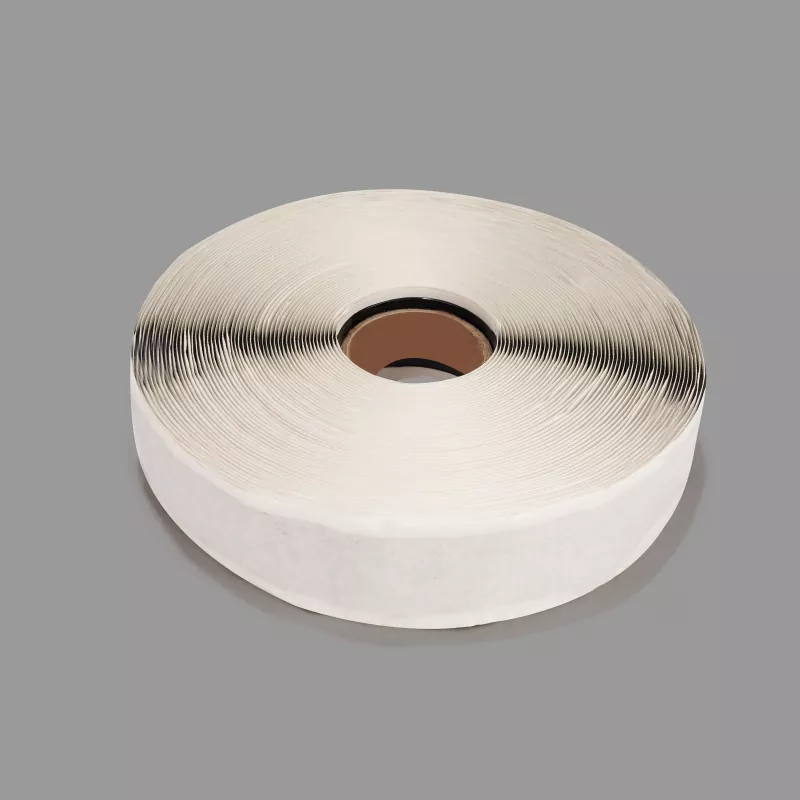
- Seal all seams with compatible tape or adhesive.
- Avoid punctures during installation.
- Install barriers on the correct side of insulation according to climate.
- Inspect edges, corners, and penetrations carefully.
- Protect exposed membranes from UV damage when necessary.
Important: Improper placement can trap moisture inside wall systems rather than preventing it.
What Common Mistakes Should Be Avoided?
- Installing the barrier on the wrong side of insulation
- Leaving unsealed seams or gaps
- Using materials with insufficient thickness
- Ignoring local climate conditions
- Damaging the membrane during construction
- Blocking necessary ventilation systems
- Using incompatible adhesive products
Many moisture problems originate from small installation errors that become major failures over time.
What Is the Difference Between a Vapor Barrier and a Vapor Retarder?
These terms are often confused, but they are not identical.
| Feature | Vapor Barrier | Vapor Retarder |
|---|---|---|
| Permeability | Very low | Moderate |
| Moisture Resistance | Blocks most vapor | Slows vapor movement |
| Typical Materials | Polyethylene sheets | Paints and kraft paper |
| Applications | High-moisture environments | Moderate humidity control |
How Does Climate Affect Vapor Barrier Performance?
Climate strongly influences where vapor barriers should be installed.
In cold climates, vapor barriers are typically placed on the warm interior side of insulation because indoor humidity moves outward during winter.
In hot and humid climates, moisture often moves from outside to inside. Incorrect placement may trap moisture within walls and create hidden condensation.
Regional building codes frequently specify recommended vapor control methods based on climate zones.
Why Are Vapor Barriers Important in Industrial Applications?
Industrial facilities face unique environmental challenges:
- Large temperature differences
- High humidity exposure
- Chemical environments
- Heavy equipment traffic
- Cold storage conditions
- Long operational hours
Reinforced vapor barriers help maintain stable environmental conditions and reduce maintenance costs in warehouses, logistics centers, food processing plants, and pharmaceutical facilities.
Many industrial-grade moisture control products supplied by Xiong County Xiashi Packing Co., Ltd. are designed to meet demanding durability and protective performance requirements.
What Are the Main Benefits of Using a Vapor Barrier?
- Lower Energy Costs: Dry insulation performs more effectively.
- Better Indoor Comfort: Reduces humidity fluctuations.
- Mold Prevention: Minimizes conditions for biological growth.
- Longer Structural Life: Prevents hidden moisture damage.
- Improved Air Quality: Reduces airborne contaminants.
- Flooring Protection: Prevents moisture-related floor failure.
- Reduced Maintenance: Lowers repair frequency and costs.
- Enhanced Building Value: Supports long-term property performance.
How Can You Choose the Right Vapor Barrier?
Selecting the correct product depends on several factors:
| Consideration | Why It Matters |
|---|---|
| Climate Zone | Determines moisture movement direction |
| Material Thickness | Influences durability and permeability |
| Installation Area | Walls, floors, roofs, and crawl spaces require different solutions |
| Mechanical Strength | Industrial applications need puncture resistance |
| Compatibility | Works with insulation and adhesives |
Working with experienced manufacturers and suppliers ensures better product consistency and technical support.
How Should Vapor Barriers Be Maintained?
Although vapor barriers are generally low-maintenance, periodic inspection is important.
- Inspect seams and joints annually
- Check for punctures or tears
- Monitor areas near plumbing penetrations
- Ensure crawl spaces remain dry
- Replace damaged tape or seals promptly
- Inspect after renovations or repairs
Early detection prevents expensive structural damage.
What Are the Future Trends in Vapor Barrier Technology?
Construction technology continues evolving toward smarter and more sustainable moisture management systems.
Emerging developments include:
- Smart vapor membranes with adaptive permeability
- Eco-friendly recyclable materials
- Higher puncture resistance films
- Integrated reflective insulation systems
- Improved fire-resistant membranes
- Advanced sealing technologies
As energy-efficient construction standards increase worldwide, vapor control systems will become even more important in modern architecture and industrial design.
Frequently Asked Questions
Can a vapor barrier stop water leaks?
No. Vapor barriers control moisture vapor diffusion, but they are not designed to stop liquid water leaks caused by plumbing or structural failures.
What thickness is best for crawl spaces?
Thicker reinforced membranes are generally recommended for crawl spaces because they resist punctures and provide longer service life.
Do all homes need vapor barriers?
Most modern buildings benefit from moisture control systems, especially in humid, cold, or variable climates.
Can vapor barriers improve energy efficiency?
Yes. Keeping insulation dry helps maintain its thermal performance, reducing heating and cooling losses.
How long does a vapor barrier last?
High-quality materials installed correctly can last for decades depending on environmental conditions and maintenance.
Conclusion
A vapor barrier is far more than a simple plastic sheet. It is a critical component in protecting buildings from hidden moisture damage, preserving insulation performance, improving indoor air quality, and extending structural lifespan.
From residential basements to industrial warehouses, properly designed moisture control systems help reduce long-term maintenance costs while improving comfort and durability.
Choosing reliable materials and ensuring professional installation are essential steps toward long-lasting building performance. Companies such as Xiong County Xiashi Packing Co., Ltd. continue supporting the growing demand for high-performance vapor protection materials across multiple industries.
Looking for dependable vapor barrier solutions for construction, industrial packaging, or moisture protection applications?
Xiong County Xiashi Packing Co., Ltd. is committed to providing durable and high-quality protective material solutions tailored to your project requirements.
Contact us today to learn more about customized vapor barrier products and professional support services.
Related News
- Xiashi Packing Co., Ltd. Highlights Systemized Building Envelope Solutions
- Breathable Membrane Vital Amid SE Asia's 2026 Monsoon
- Xiashi Packing Co., Ltd. Strengthens Global Position With Certified Breather Membrane Solutions
- How Does a Breathable Building Membrane Improve Modern Construction Performance?
- What Is Anti Condensation Felt and Its Role in Preventing Moisture Damage in Industrial Applications?
- Beyond House Wrap: What Large Building Material Buyers Really Need From a Waterproof Breathable Membrane Supplier
Leave me a message

 Miranda
 Miranda