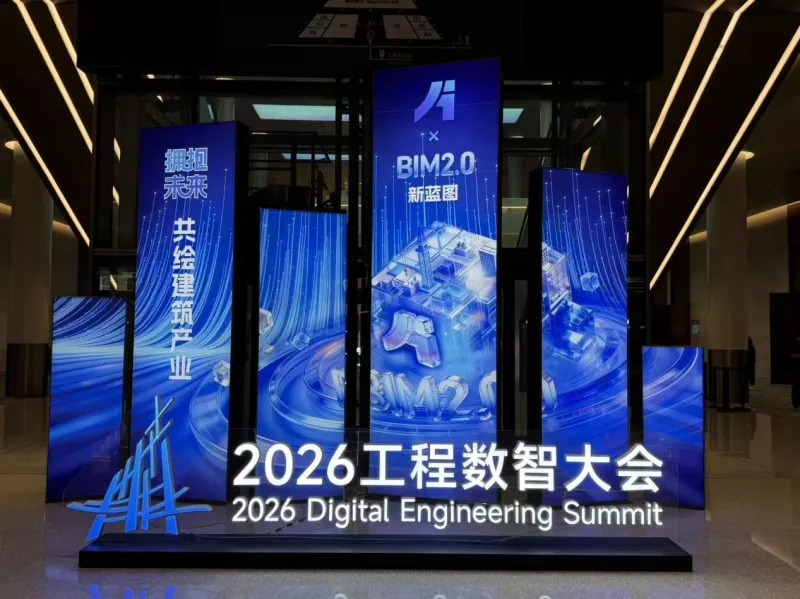
Xiashi Packing at the 2026 Engineering Digital Intelligence Conference
Advancing Waterproof Breathable Membrane Solutions in the AI + BIM 2.0 Era
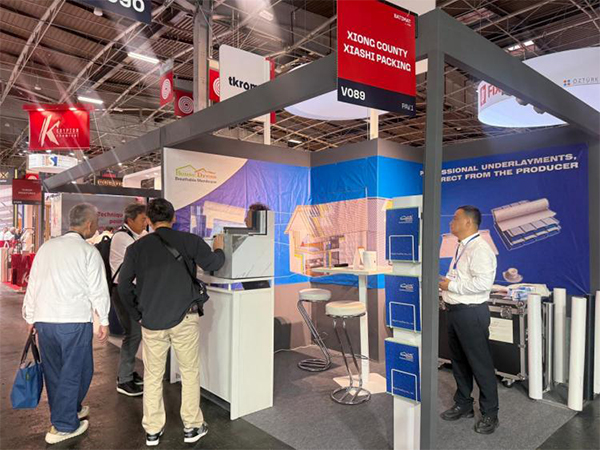
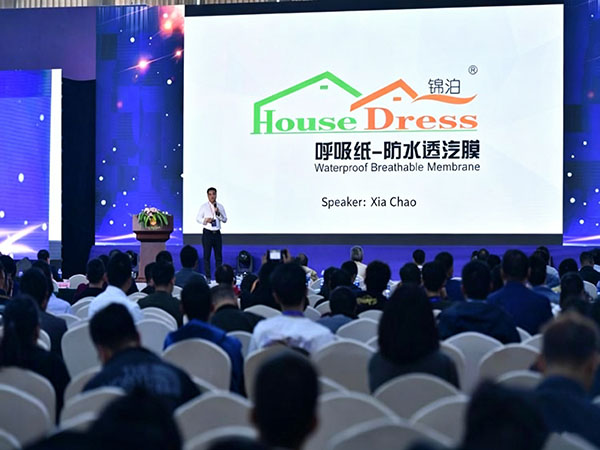
From May 29–31, 2026, the Engineering Digital Intelligence Conference was held at Shenzhen World Exhibition & Convention Center, China. The event, themed “Embracing the Future: Building the AI× BIM 2.0 Blueprint for the Construction Industry,” gathered industry leaders, researchers, and contractors to discuss the impact of AI and BIM technologies on digital design, construction, and infrastructure.
Xiong County Xiashi Packing Co., Ltd., a leading manufacturer of waterproof breathable membranes (WRB), was invited to present its latest innovations and explore industry opportunities in digital construction.
The Growing Importance of Digital Construction
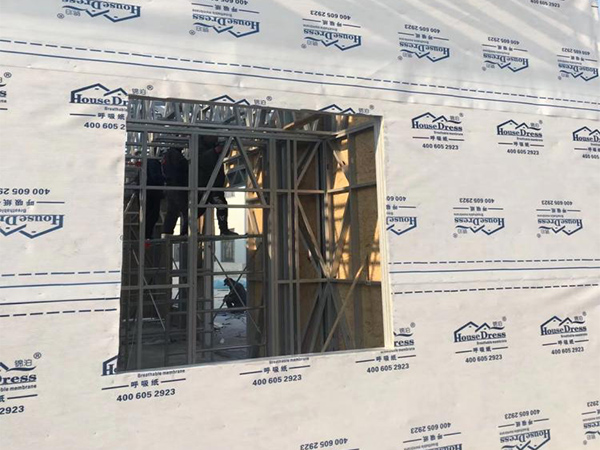
The construction industry is increasingly driven by AI-assisted design, BIM collaboration, and digital management. Modern buildings require materials that not only prevent water intrusion but also allow moisture to escape, ensuring long-term structural integrity.
In Europe and North America, uncontrolled moisture is a leading cause of premature building deterioration. Condensation inside walls can lead to mold growth, insulation failure, wood rot, steel corrosion, and higher lifecycle maintenance costs. High-performance WRB have therefore become essential components of modern building envelopes.
Why Waterproof Breathable Membranes Matter
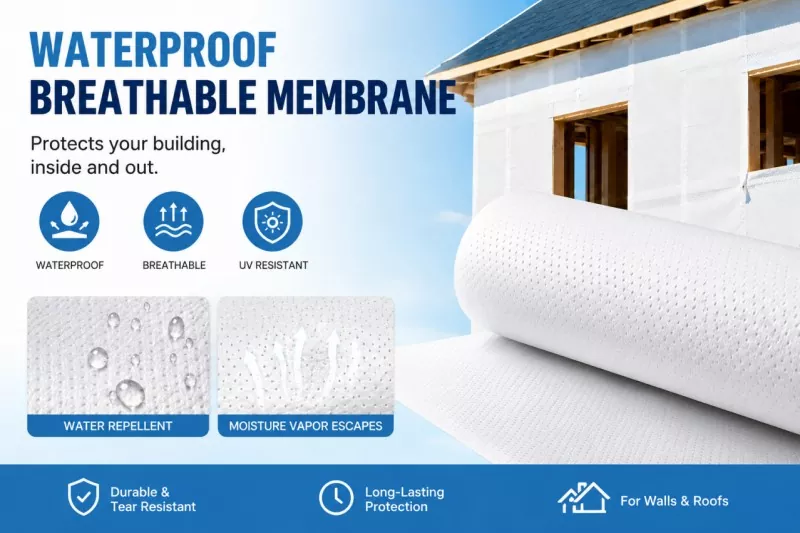
Advanced WRBs are designed to achieve two critical functions simultaneously:
Block external water penetration
Permit internal water vapor to escape
This balance prevents condensation within wall assemblies and protects insulation, sheathing, and framing. With BIM 2.0 and AI-assisted project planning, contractors can simulate membrane layouts, optimize material usage, and reduce waste and rework. Post-construction, AI tools can monitor envelope performance, enabling early detection of potential moisture issues.
Xiashi Packing: Innovation and Global Reach
Founded in 1988 and based in Xiong County New Area, China, Xiashi Packing integrates R&D, production, and technical support. Its core products include:
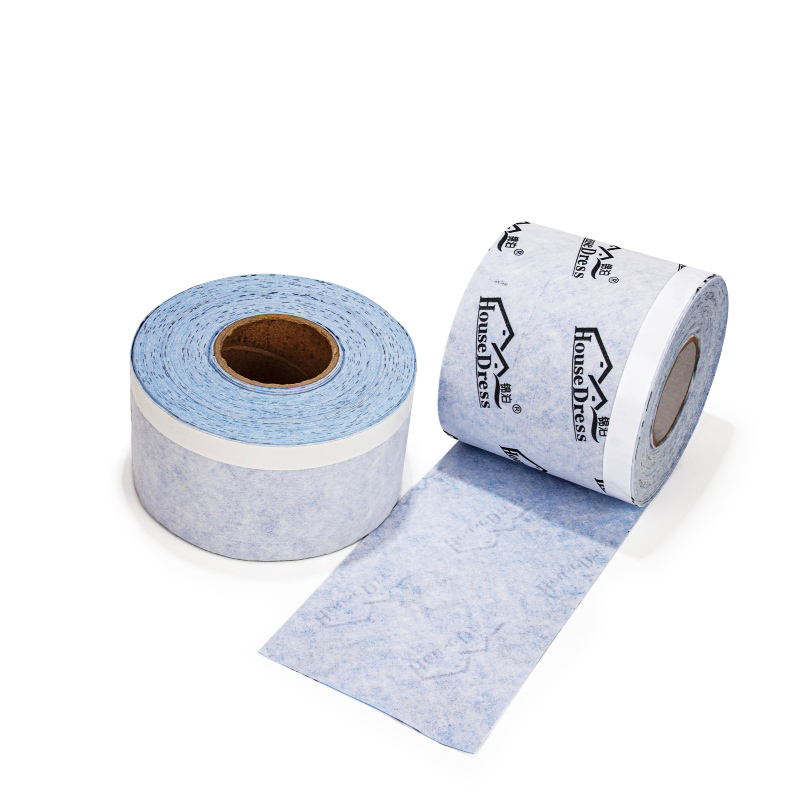
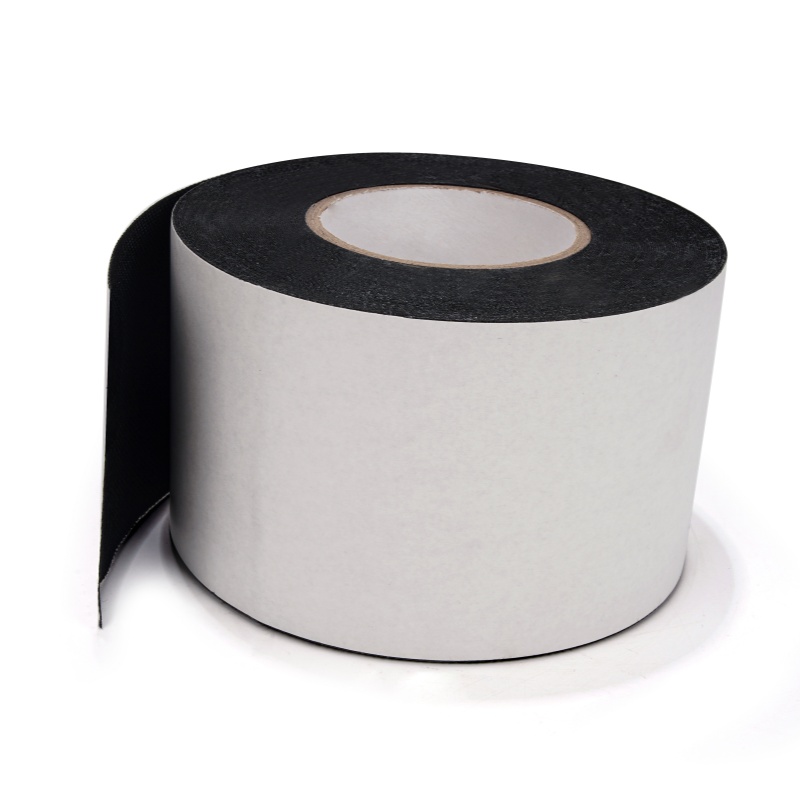
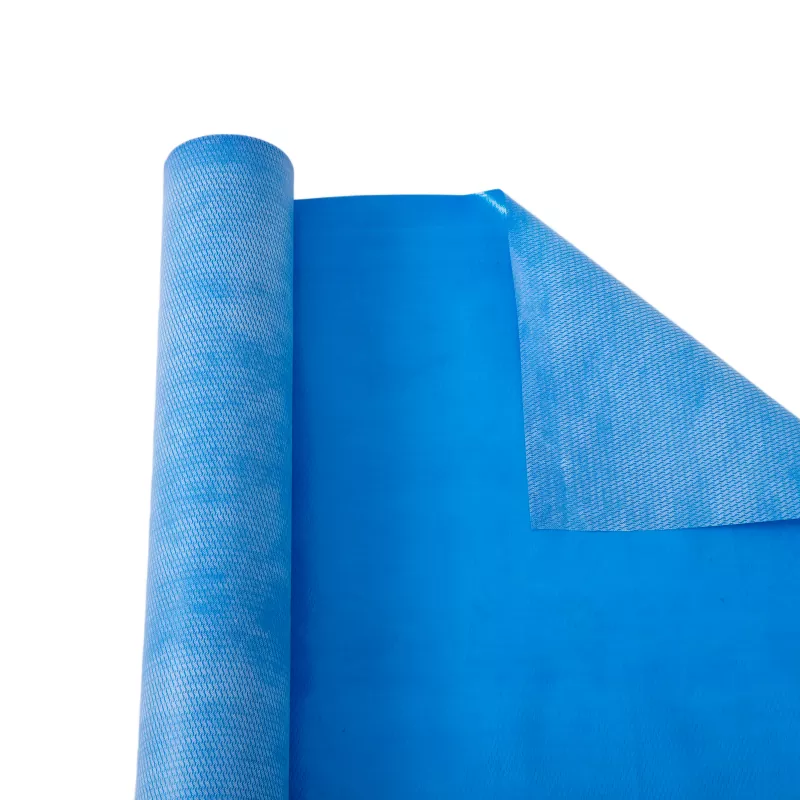
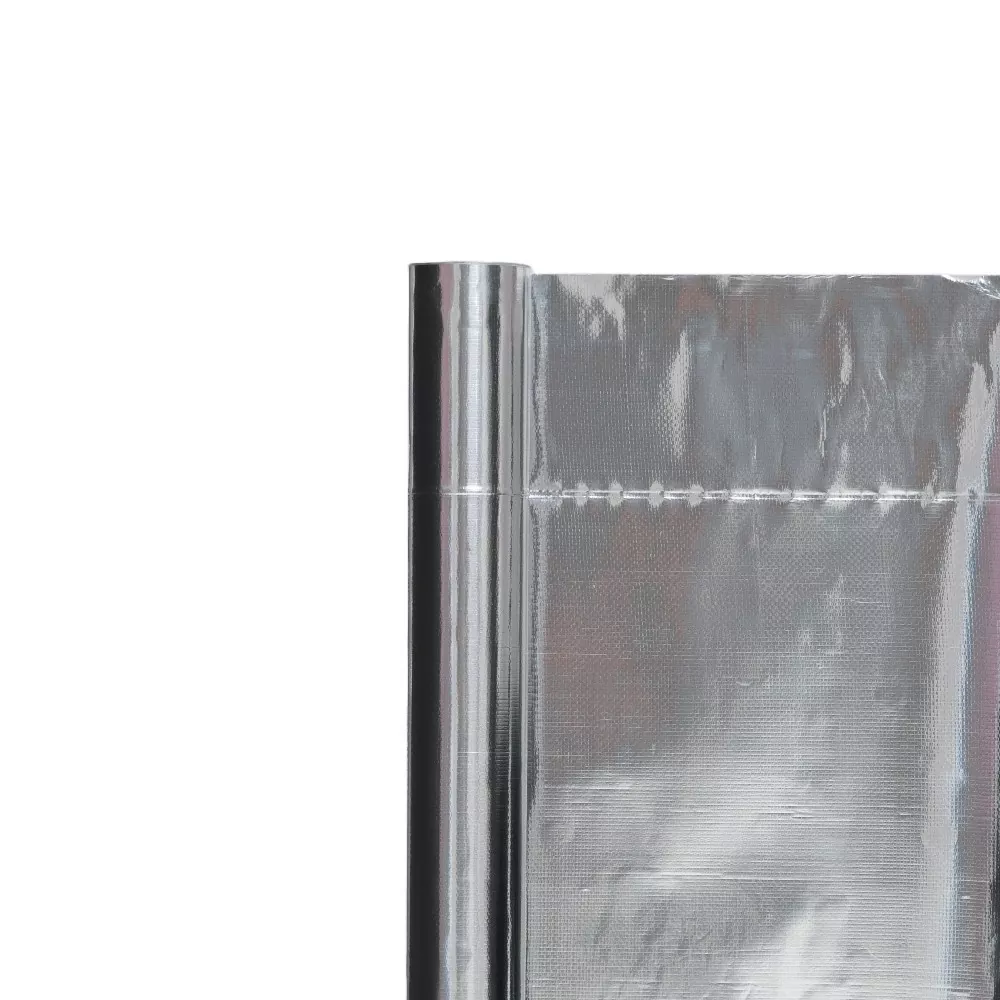
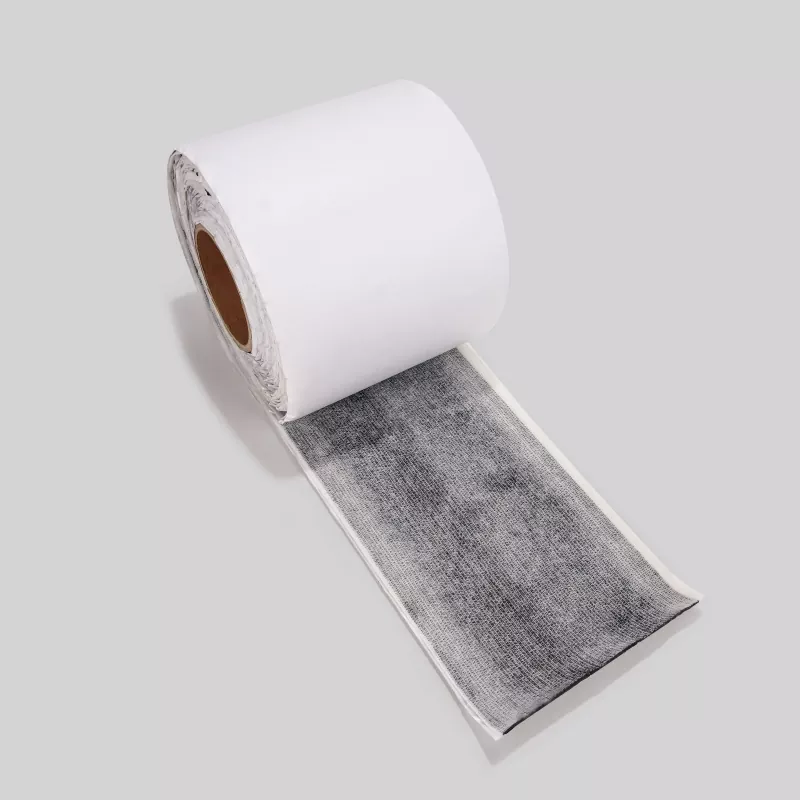
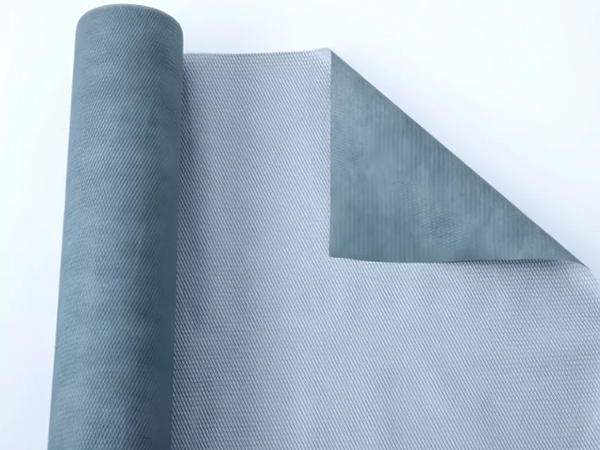
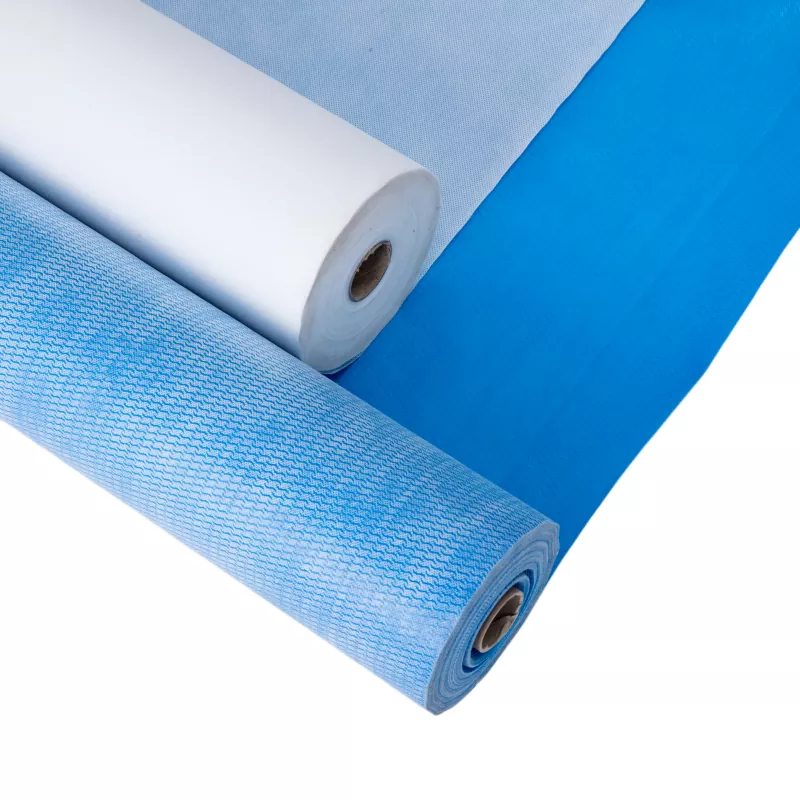
Waterproof breathable membranes, vapor barriers, reflective film, window tape, anti-condensation felt
Xiashi’s membranes have been exported to Europe, North America, Australia, and Southeast Asia, serving residential, commercial, and industrial projects. The company holds proprietary technologies for polypropylene and polyethylene composite membranes, providing high water resistance, vapor permeability, UV durability, and tensile strength.
Integrating Digital Construction with Membrane Technology
AI and BIM 2.0 technologies are transforming the way building materials are applied. Contractors can now:
Pre-plan membrane installation paths
Optimize overlaps and junctions
Reduce material waste and rework
Track post-construction envelope performance
For manufacturers, this trend shifts the focus from simply producing membranes to providing complete building envelope solutions compatible with digital construction systems.
Technical Insights from Two Decades in the Industry
Having served over 100 construction and building material enterprises globally, I have observed a fundamental shift in contractor expectations. Beyond stopping rainwater, modern projects demand:
Controlled vapor permeability
Performance under freeze-thaw conditions
Resistance to UV exposure during delayed installation
Support for energy-efficient and high-performance building standards
This is particularly relevant in North American residential, European passive house, and industrial steel-structure projects, as well as coastal and high-humidity environments.
Xiashi’s Role in Sustainable Construction
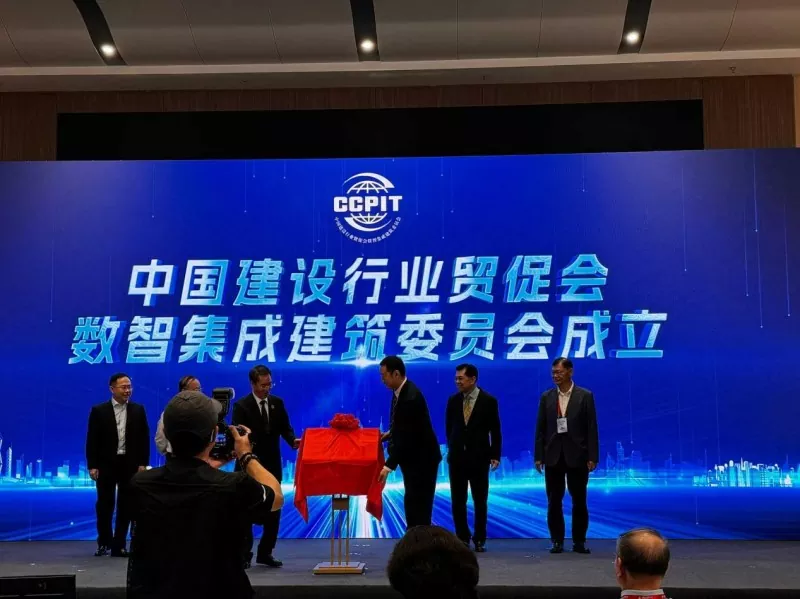
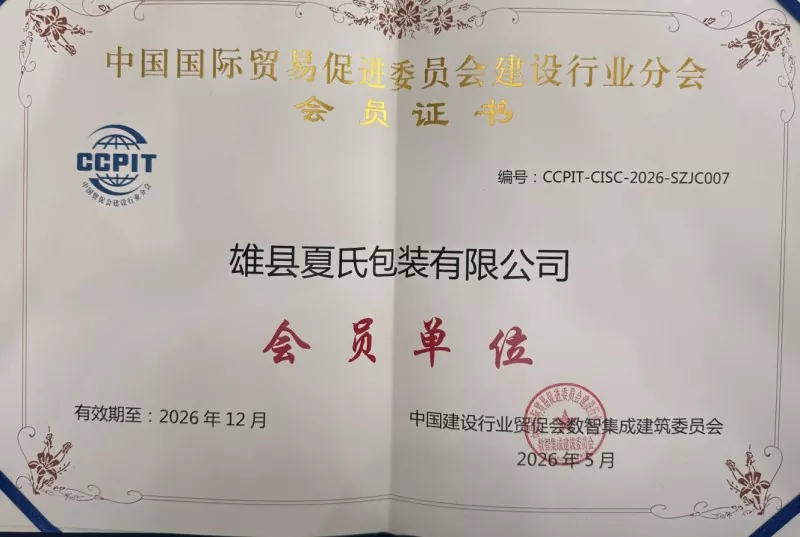
At the conference, Chairman Xia Chao emphasized that digital construction is not limited to software or online project management; it involves improving every stage of the building lifecycle. By integrating advanced membrane manufacturing with digital quality control, Xiashi enhances:
Product consistency
Construction efficiency
Long-term moisture protection
Conclusion
The 2026 Engineering Digital Intelligence Conference highlighted the transformation of building materials in the AI + BIM 2.0 era. High-performance WRBs are no longer optional but integral to building envelope design, ensuring durability, energy efficiency, and reduced maintenance costs.
Xiong County Xiashi Packing Co., Ltd. continues to provide global construction partners with reliable waterproof breathable membranes, vapor barriers, and window flashing systems. By combining innovative materials with digital-era installation guidance and lifecycle support, Xiashi empowers the industry to build smarter, greener, and longer-lasting structures.
Related News
- Xia's Packing's Over Three Decades Of Cross-Industry Innovation In Materials
- House Dress®: The Story Behind The Brand That Clothes Buildings For Life
- An American Contractor Shares His Story with Xiashi
- Stepping into Xiashi Packing Automated Production Workshop
- Waterproof breathable membranes protect energy-efficient buildings
- Rigorous quality management builds global foundation
Leave me a message


 Miranda
 Miranda