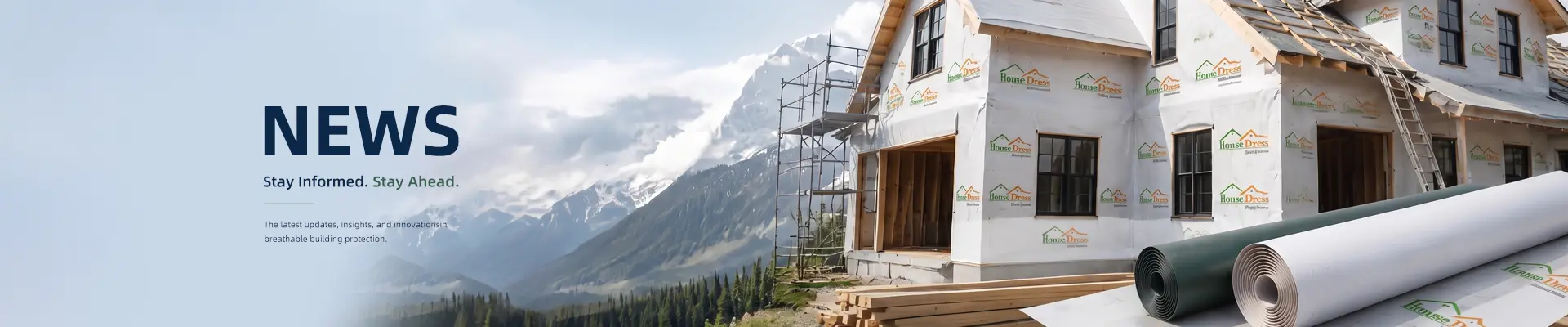
Is Vapour Barrier the Key to Modern Building Efficiency and Sustainability
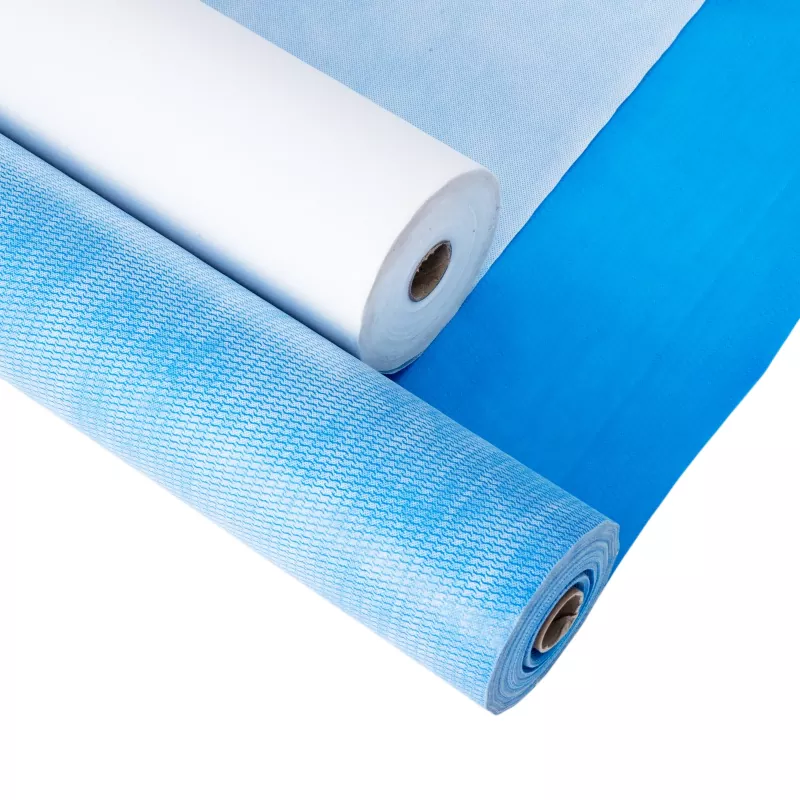
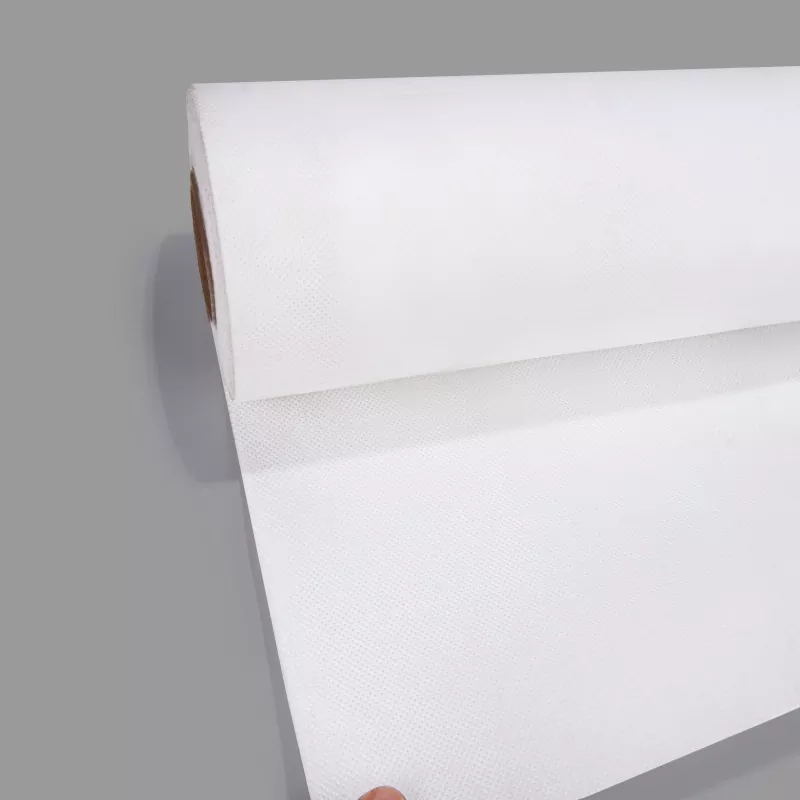
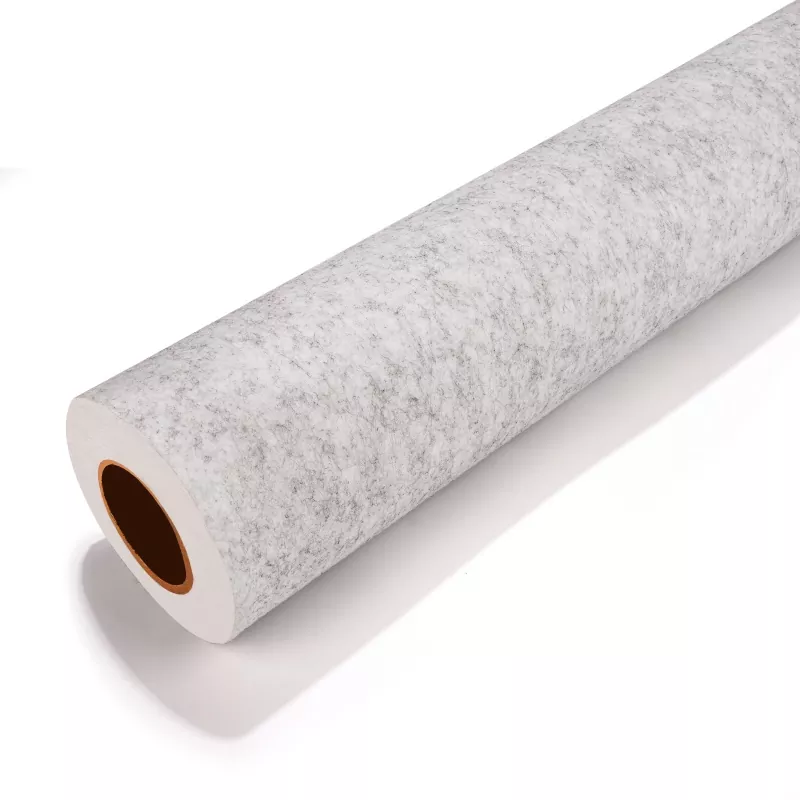
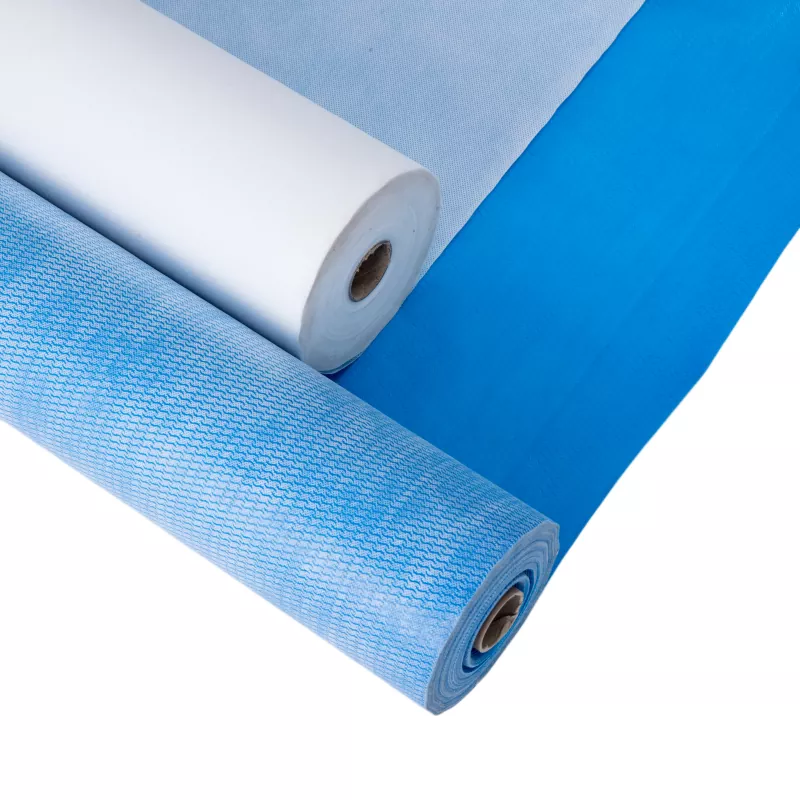
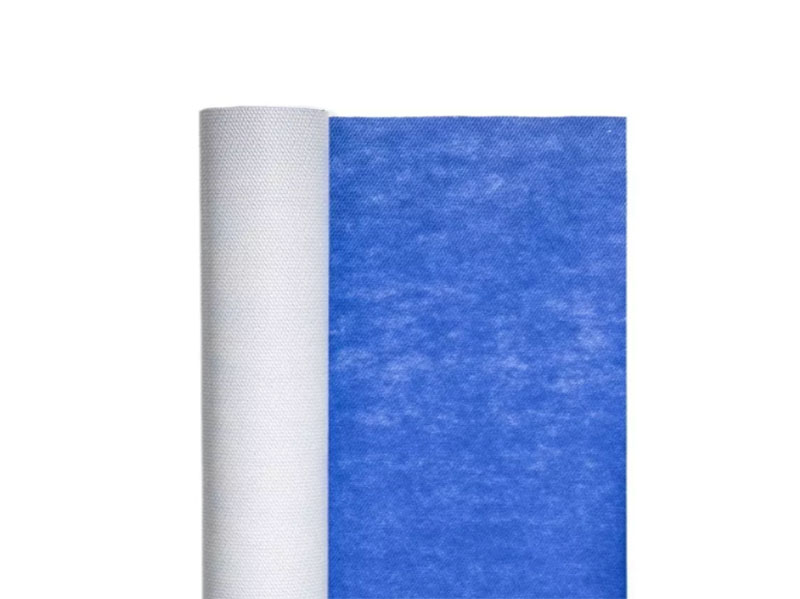
The building and construction industry has witnessed a transformative shift toward energy efficiency, structural durability, and environmental responsibility. Vapour Barrier systems have emerged as essential components in modern construction projects, helping regulate moisture, prevent condensation, and improve insulation performance. By controlling the movement of water vapor within walls, ceilings, and floors, vapour barriers ensure longer structural lifespan, reduce energy consumption, and contribute to indoor comfort and safety. As building regulations tighten and sustainable construction practices gain prominence, the importance of vapour barriers continues to grow, making them indispensable in both residential and commercial construction.
Why Vapour Barrier Systems Are Essential in Modern Construction
Controlling Moisture and Preventing Damage
Moisture infiltration and condensation can cause significant structural damage, mold growth, and energy inefficiency. Vapour barriers act as a critical line of defense by regulating water vapor movement through building envelopes. High-performance vapour barriers are designed to withstand pressure differentials, prevent leaks, and maintain structural integrity.
| Feature | Description | Building Benefit |
| Water Vapor Permeance | Low permeability materials limit moisture transfer | Reduces condensation and prevents mold growth |
| Durability | Resistant to punctures, tears, and aging | Ensures long-term structural protection |
| Thermal Stability | Maintains performance across temperature ranges | Enhances energy efficiency in insulation systems |
| Compatibility | Suitable with various wall and roof assemblies | Allows flexible integration in multiple construction methods |
Applications Across Residential and Commercial Buildings
Vapour Barrier materials are widely used in various applications, including:
- Residential Construction: Walls, floors, and roofs to prevent condensation and improve energy efficiency
- Commercial Projects: Office buildings, retail spaces, and industrial facilities requiring moisture control and insulation optimization
- Renovation and Retrofitting: Enhancing older structures with improved moisture regulation to extend service life
By maintaining optimal moisture levels, vapour barriers reduce repair costs, improve indoor air quality, and support sustainable construction practices.
How Material Innovation Enhances Vapour Barrier Performance
Advanced Membrane Technologies
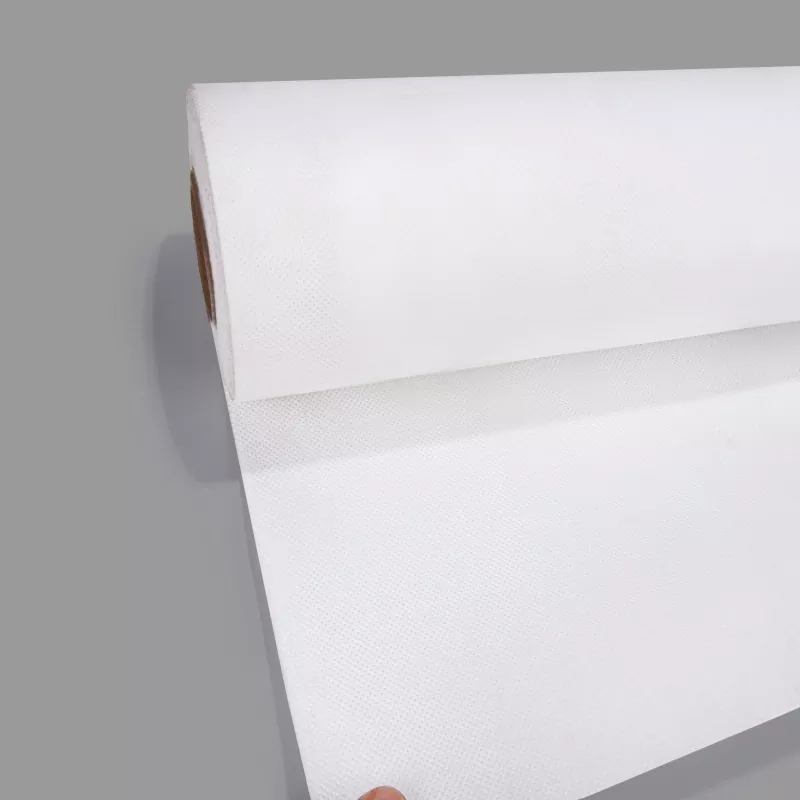
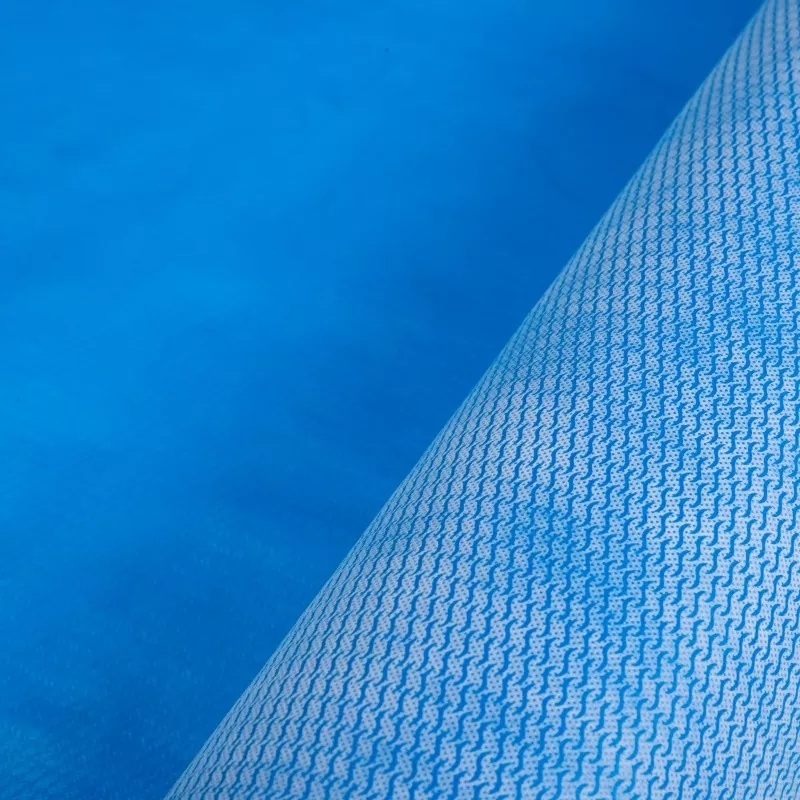
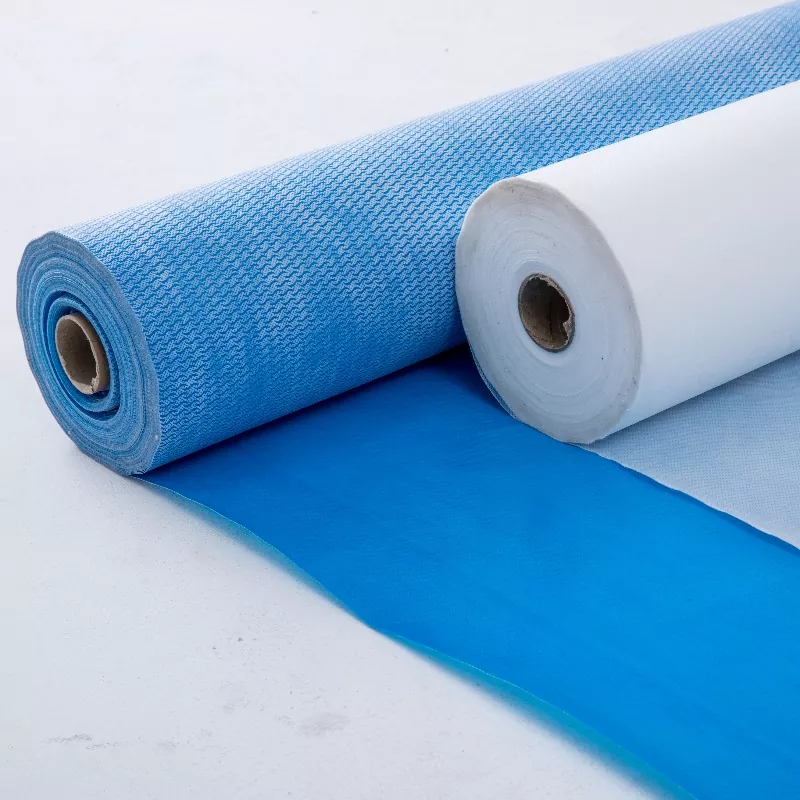
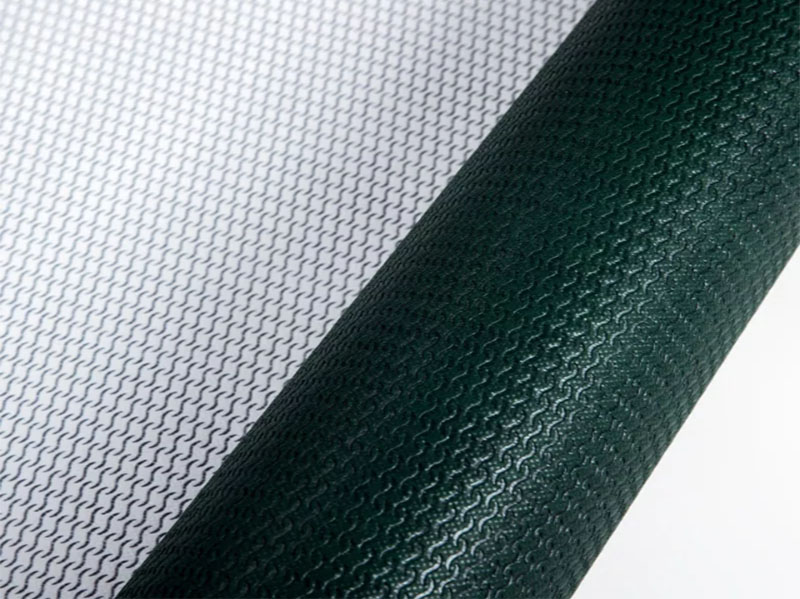
Modern vapour barriers utilize advanced polymeric membranes, reflective coatings, and multilayer laminates to achieve precise moisture control. These materials combine low permeability with high durability, ensuring that they function effectively under diverse environmental conditions.
Breathable vs. Non-Breathable Solutions
Different building applications require distinct vapour barrier strategies:
- Non-Breathable Barriers: Completely restrict vapor transfer, ideal for high-moisture environments such as basements or wet rooms
- Breathable Barriers: Allow limited vapor passage, preventing condensation while maintaining insulation efficiency in walls and roofing systems
What Industry Challenges Do Vapour Barriers Address
Despite advances in building materials, construction projects face persistent challenges related to moisture, energy efficiency, and durability:
- Condensation and Mold: Vapour barriers prevent water accumulation that can degrade insulation and structural materials.
- Energy Loss: By maintaining insulation efficiency, vapour barriers contribute to reduced heating and cooling energy consumption.
- Material Longevity: High-quality barriers protect against premature material degradation, enhancing building lifespan.
Through these solutions, vapour barriers play a central role in optimizing building performance, occupant comfort, and regulatory compliance.
How Sustainability Shapes Vapour Barrier Selection
Eco-Friendly Material Development
As environmental regulations tighten, the industry increasingly focuses on biodegradable, recyclable, and low-emission materials. Modern vapour barriers are designed to minimize environmental impact while providing high durability and performance.
Integration with Insulation Systems
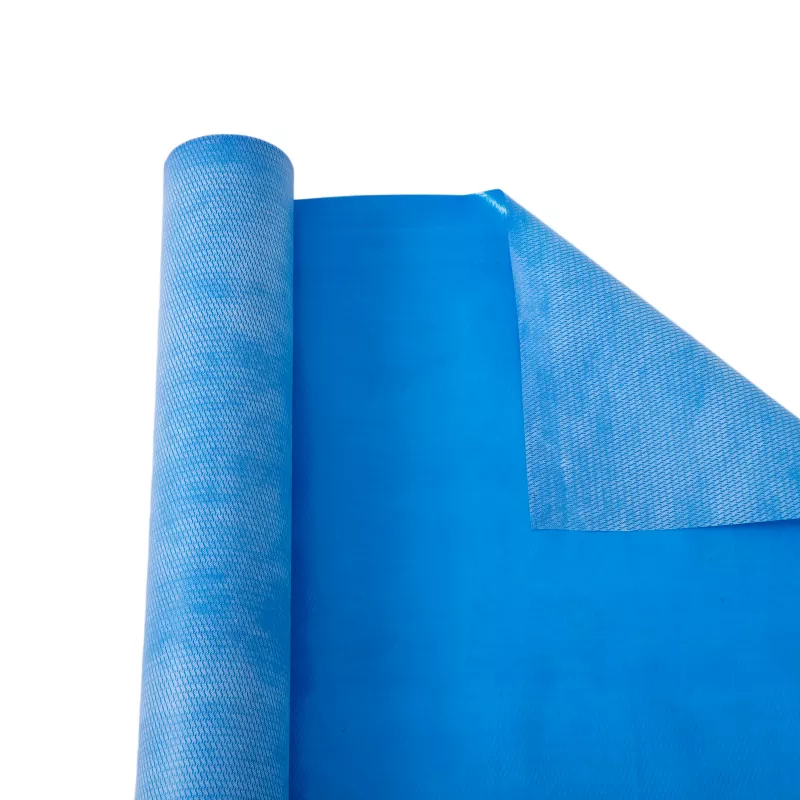
Vapour barriers are most effective when integrated with insulation systems. Advanced designs allow seamless installation alongside reflective membranes, waterproof layers, and structural panels, creating a comprehensive building envelope that maximizes energy efficiency.
| Feature | Description | Sustainability Benefit |
| Recyclable Materials | Produced from 100% recyclable components | Reduces landfill waste and supports circular economy |
| Low VOC Emissions | Materials designed to limit volatile organic compounds | Improves indoor air quality and environmental safety |
| Long Lifespan | Resistant to wear, UV exposure, and chemical reactions | Minimizes replacement needs and resource consumption |
What Is the Future Outlook for Vapour Barriers
The future of Vapour Barrier systems is closely tied to trends in sustainable construction, energy efficiency, and high-performance building design. Increasing demand for zero-energy buildings, stringent building codes, and climate-adapted structures will drive further adoption of vapour barrier technologies. Innovations in materials, including reflective laminates and multi-functional membranes, are expected to enhance performance and provide additional benefits, such as insulation augmentation and environmental protection.
The growth of urbanization, coupled with global initiatives to reduce energy consumption, will make vapour barriers a standard requirement in modern residential, commercial, and industrial construction projects.
Why Xiong County Xiashi Packing Co., Ltd. Excels in Vapour Barrier Production
Vapour Barrier systems are central to modern construction, providing moisture control, structural protection, and energy efficiency. Xiong County Xiashi Packing Co., Ltd., with decades of experience in producing environmentally friendly packaging and construction membranes, has established itself as a reliable supplier of high-quality vapour barriers. Leveraging advanced production processes, strict quality control, and materials designed for sustainability and durability, the company ensures that its vapour barriers meet the diverse requirements of global construction markets. With a strong commitment to eco-friendly innovation and customer satisfaction, Xiong County Xiashi Packing Co., Ltd. continues to support safe, energy-efficient, and sustainable building practices worldwide.
Related News
- House Dress: Nearly 20 Year Expertise In Building Envelope Membrane Solutions
- Jinbo House-Dress: How China's Enclosure Membrane Materials Meet The Diverse Architectural Needs Of Overseas Markets
- Building Envelope Sealing Tapes: Small Auxiliary Materials Can Determine The Success Or Failure Of The Entire Membrane System
- Jinbo House Dress:New Iteration Of Self-Adraping Anti-Condensation Felt Now Released
- Providing Global Customers With One-Stop Building Envelope Material Solutions
- Modern Building Envelopes—The Importance Of Water-Resistant, Breathable Membranes
Leave me a message

 Miranda
 Miranda