Why Non Overlap Breathable Membrane Is Transforming Modern Waterproof and Ventilation Systems?
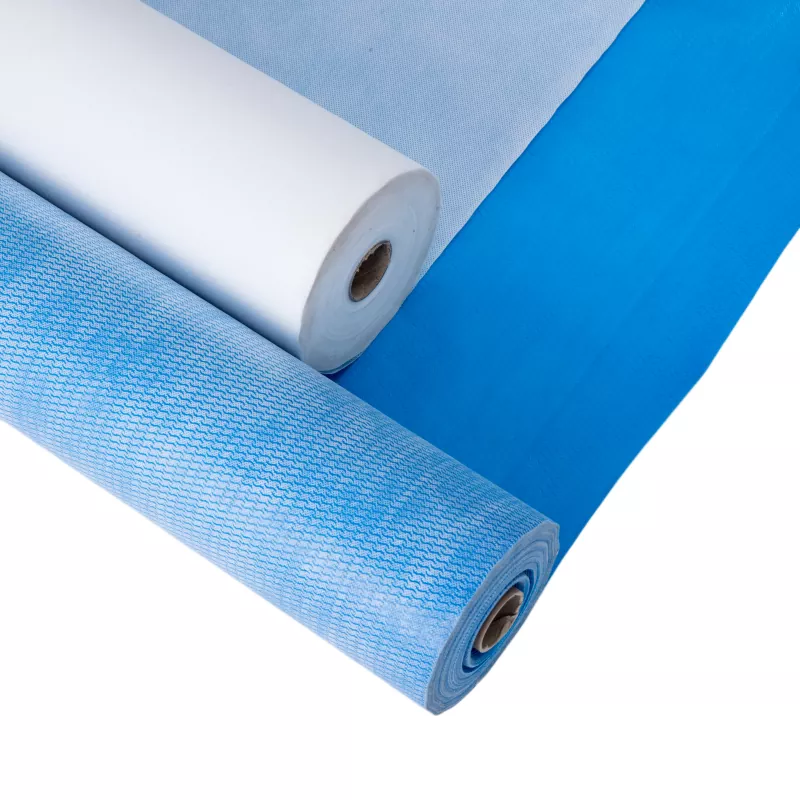
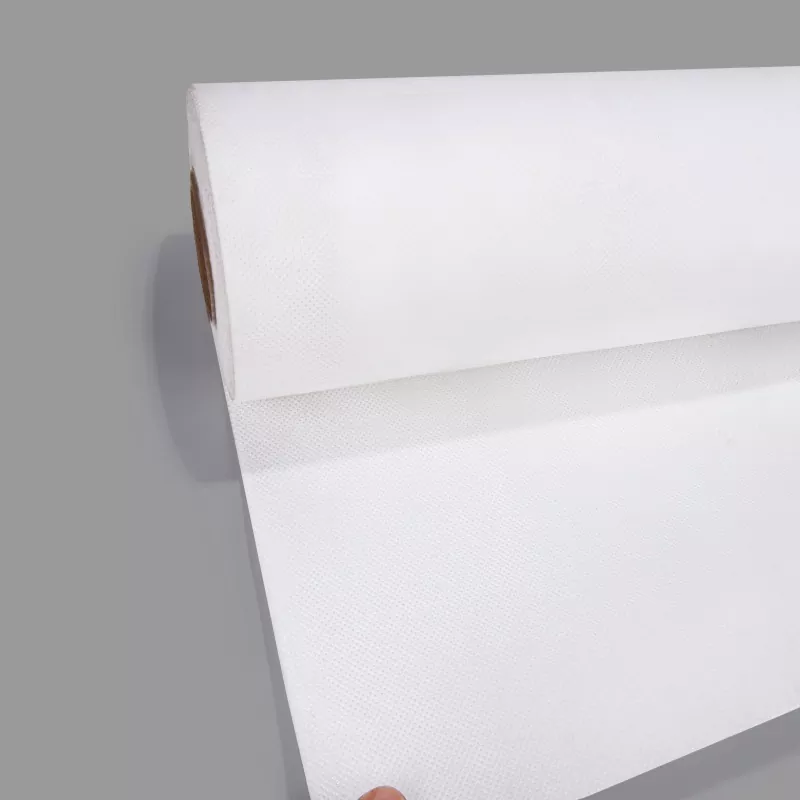
The Non Overlap Breathable Membrane is becoming a critical material in modern construction, packaging protection systems, automotive engineering, and industrial sealing solutions. Designed to provide controlled moisture vapor transmission while preventing liquid water penetration, this advanced material addresses long-standing challenges such as condensation buildup, structural dampness, and airflow imbalance. Unlike traditional overlapping membrane structures, the non-overlap design enhances uniform sealing performance, reduces installation errors, and improves long-term durability.
This article explores its working principles, technical advantages, real-world applications, installation practices, and purchasing considerations, helping engineers, buyers, and project managers make informed decisions.
Table of Contents
- 1. Introduction to Non Overlap Breathable Membrane
- 2. Structure and Working Principle
- 3. Key Benefits and Performance Advantages
- 4. Industrial and Commercial Applications
- 5. Comparison with Traditional Overlap Membranes
- 6. Installation Guidelines and Best Practices
- 7. Common Problems and Practical Solutions
- 8. How to Choose the Right Membrane
- 9. Maintenance and Service Life Optimization
- 10. Frequently Asked Questions (FAQ)
- 11. Conclusion and Professional Recommendation
1. Introduction to Non Overlap Breathable Membrane
The demand for high-performance moisture control materials has increased significantly across multiple industries. Whether in building envelopes, industrial equipment, or protective packaging systems, controlling water vapor without trapping condensation is essential. The Non Overlap Breathable Membrane represents a next-generation solution designed to solve these challenges more efficiently than conventional materials.
Traditional membranes often rely on overlapping seams to create a continuous barrier. However, this approach can introduce weak points, uneven pressure distribution, and potential leakage paths. The non-overlap design eliminates these issues by creating a seamless integration structure that enhances both waterproofing and breathability.
In modern engineering systems where precision and reliability are essential, this membrane technology plays a key role in improving performance while reducing maintenance costs.
2. Structure and Working Principle
The core function of a breathable membrane is to regulate vapor transmission while blocking liquid water. The Non Overlap Breathable Membrane achieves this through a micro-porous structure engineered at the molecular level.
Its structure typically consists of:
- Hydrophobic outer layer: Prevents water penetration.
- Microporous middle layer: Allows vapor diffusion.
- Support backing layer: Enhances mechanical strength and durability.
The working principle is based on vapor pressure difference. When humidity inside a structure increases, water vapor passes through microscopic pores. However, due to surface tension and pore size control, liquid water cannot penetrate in reverse direction.
The non-overlap configuration ensures that vapor flow is evenly distributed without interruption at joint sections, improving system consistency.
3. Key Benefits and Performance Advantages
The advantages of using a Non Overlap Breathable Membrane extend across performance, durability, and installation efficiency. These benefits make it suitable for both industrial and commercial applications.
- Improved Waterproof Integrity: Eliminates weak overlap joints that often cause leakage.
- Enhanced Breathability: Maintains balanced humidity levels inside enclosed systems.
- Reduced Installation Errors: Simplified structure reduces misalignment risks.
- Longer Service Life: Stable structure resists aging and UV degradation.
- Energy Efficiency: Helps maintain thermal insulation performance in building systems.
In addition to these core advantages, the membrane also improves structural stability by preventing moisture accumulation, which is a major cause of corrosion and material fatigue.
4. Industrial and Commercial Applications
The versatility of the Non Overlap Breathable Membrane allows it to be used in a wide range of industries. Its performance characteristics make it suitable for environments where moisture control is critical.
- Construction Industry: Roof systems, wall insulation layers, and building envelopes.
- Automotive Sector: Door panels, battery enclosures, and ventilation systems.
- Packaging Industry: Moisture-sensitive product protection.
- Electronics: Protective sealing for circuit housings.
- Medical Equipment: Sterile packaging and airflow control systems.
Each application benefits from the membrane’s ability to balance airflow and moisture protection, ensuring long-term operational stability.
5. Comparison with Traditional Overlap Membranes
Understanding the differences between non-overlap and traditional overlap membranes is essential for selecting the right solution.
| Feature | Non Overlap Breathable Membrane | Traditional Overlap Membrane |
|---|---|---|
| Sealing Structure | Continuous seamless design | Overlapping joints required |
| Leakage Risk | Very low | Moderate to high at seams |
| Installation Difficulty | Simple and fast | Complex alignment needed |
| Durability | High stability over time | Weaker at joint overlaps |
| Cost Efficiency | Lower long-term cost | Higher maintenance cost |
6. Installation Guidelines and Best Practices
Proper installation is essential to maximize the performance of the Non Overlap Breathable Membrane. While its structure simplifies the process, following best practices ensures optimal results.
- Ensure the installation surface is clean and dry before application.
- Align the membrane carefully to avoid tension imbalance.
- Use recommended adhesives or fastening systems based on application type.
- Avoid folding or sharp bending that may damage microstructure.
- Conduct post-installation inspection for uniform sealing coverage.
Correct installation not only improves performance but also significantly extends the membrane’s service life.
7. Common Problems and Practical Solutions
Even high-quality materials may face challenges if improperly installed or used in unsuitable environments. Below are common issues and their solutions:
- Condensation buildup: Ensure proper ventilation design and vapor balance.
- Edge lifting: Use appropriate sealing adhesives and ensure surface cleanliness.
- Reduced breathability: Avoid contamination from dust or oil during installation.
- Mechanical damage: Provide protective layering in high-impact environments.
8. How to Choose the Right Membrane
Selecting the correct Non Overlap Breathable Membrane requires consideration of environmental conditions, application requirements, and performance expectations.
- Vapor transmission rate: Choose based on humidity control needs.
- Temperature resistance: Ensure compatibility with operating environment.
- Mechanical strength: Evaluate tensile and tear resistance.
- Chemical resistance: Important for industrial applications.
- Thickness and flexibility: Should match installation requirements.
9. Maintenance and Service Life Optimization
Maintenance of breathable membranes is relatively simple but still important for long-term performance. Regular inspections help detect early signs of wear or damage.
- Inspect surface condition periodically.
- Remove accumulated dust or debris when necessary.
- Avoid exposure to harsh mechanical stress.
- Ensure surrounding sealing systems remain intact.
With proper care, a high-quality membrane can deliver stable performance over many years.
10. Frequently Asked Questions (FAQ)
Q1: What makes non-overlap membranes different from traditional ones?
A: They eliminate overlapping seams, reducing leakage risks and improving structural integrity.
Q2: Can it be used outdoors?
A: Yes, most versions are UV-resistant and suitable for outdoor applications.
Q3: Is it suitable for high-humidity environments?
A: Yes, it is designed specifically to regulate moisture in such conditions.
Q4: How long does it last?
A: Depending on conditions, it can last several years with minimal performance degradation.
Q5: Does it require special tools for installation?
A: No special tools are required, only standard installation equipment.
Q6: Can it be cut during installation?
A: Yes, but precision cutting is recommended to avoid damage.
Q7: Is it environmentally friendly?
A: Many modern versions are designed with eco-friendly materials.
Q8: Where is it most commonly used?
A: Construction, automotive systems, electronics protection, and packaging industries.
11. Conclusion and Professional Recommendation
The Non Overlap Breathable Membrane represents a significant advancement in moisture control and protective material technology. Its seamless structure, reliable performance, and wide applicability make it an ideal choice for modern engineering systems where durability and efficiency are essential.
As industries continue to demand higher performance standards, adopting advanced membrane solutions becomes increasingly important for long-term success.
Professional Manufacturing Support
For high-quality membrane solutions and customized industrial sealing products, Xiong County Xiashi Packing Co., Ltd. provides professional manufacturing capabilities and technical support tailored to various application needs.
If you are looking for reliable material solutions, advanced breathable membrane systems, or customized production services, feel free to contact us to discuss your project requirements and get expert assistance.
Related News
- Why Is House Wrap Breathable Membrane Essential for Modern Buildings?
- Protecting North American Homes with Waterproof Breathable Membranes
- Why Is 9 ft Breathable Membrane Becoming Essential for Modern Construction Waterproofing Systems?
- Are Australian Modular Homes Failing Due to Poor WRB Installation?
- Why Is Vapor Barrier Essential for Long-Term Building Protection?
- Is Vapour Barrier the Key to Modern Building Efficiency and Sustainability
Leave me a message




 Miranda