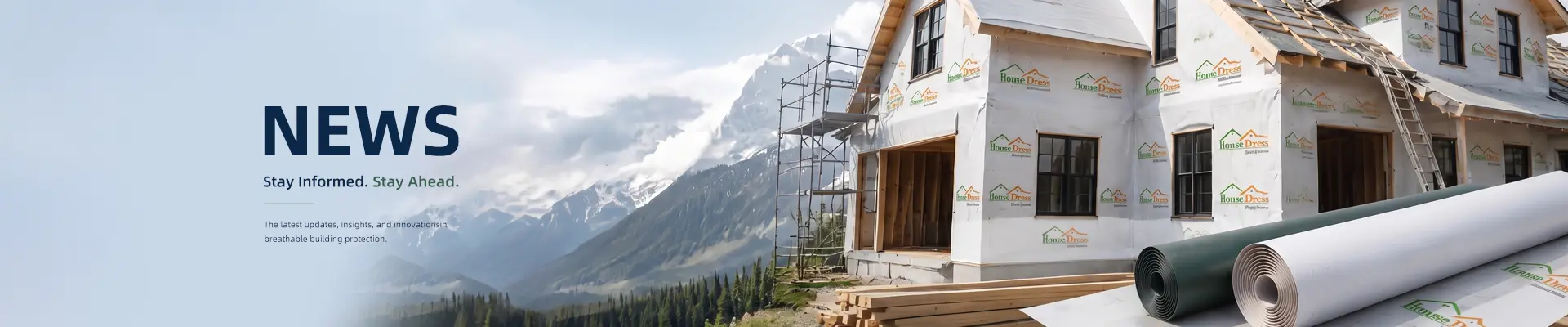
How Does a Breathable Building Membrane Improve Modern Construction Performance?
A breathable building membrane is an essential component in modern construction systems, helping buildings achieve better moisture management, energy efficiency, durability, and indoor comfort. This article explains how breathable building membranes work, why they are important, their applications, installation considerations, and how they solve common problems faced by architects, builders, and property owners. With increasing demands for sustainable and high-performance buildings, selecting the right breathable membrane has become a critical decision for long-lasting construction quality.
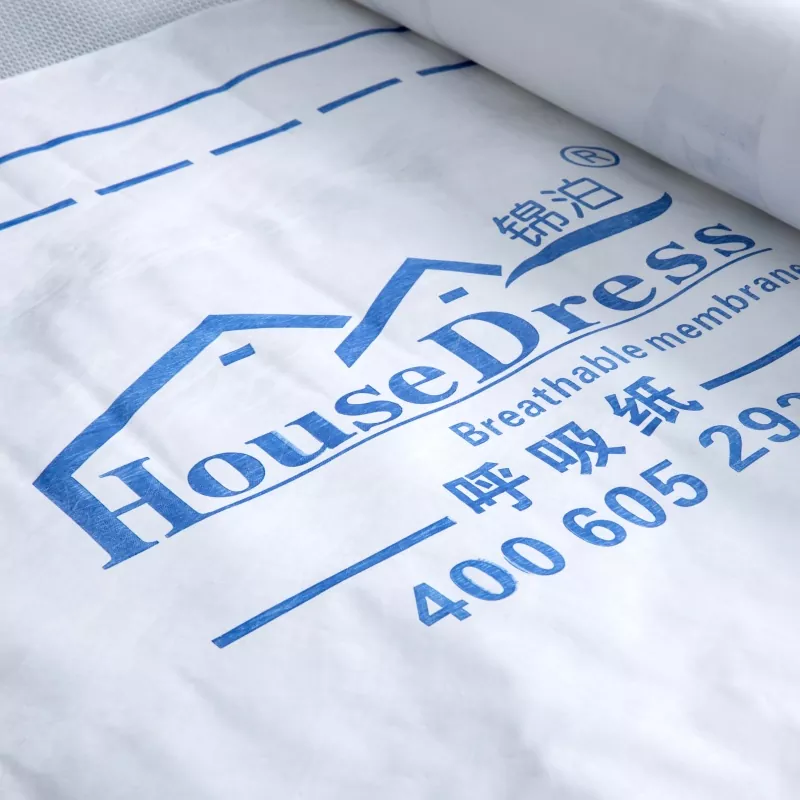
Table of Contents
- 1. What Is a Breathable Building Membrane?
- 2. Why Is a Breathable Building Membrane Important?
- 3. How Does a Breathable Building Membrane Work?
- 4. Key Benefits and Performance Advantages
- 5. Common Applications in Construction
- 6. How to Choose the Right Breathable Building Membrane?
- 7. Breathable Membrane vs Traditional Waterproof Materials
- 8. Installation Tips for Better Performance
- 9. Frequently Asked Questions
- 10. Conclusion
What Is a Breathable Building Membrane?
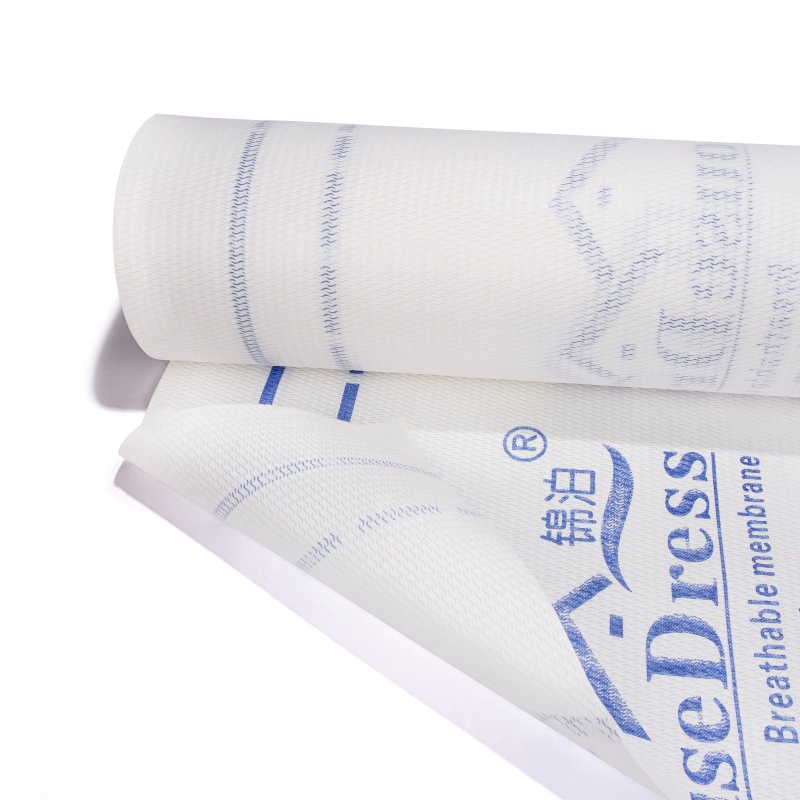
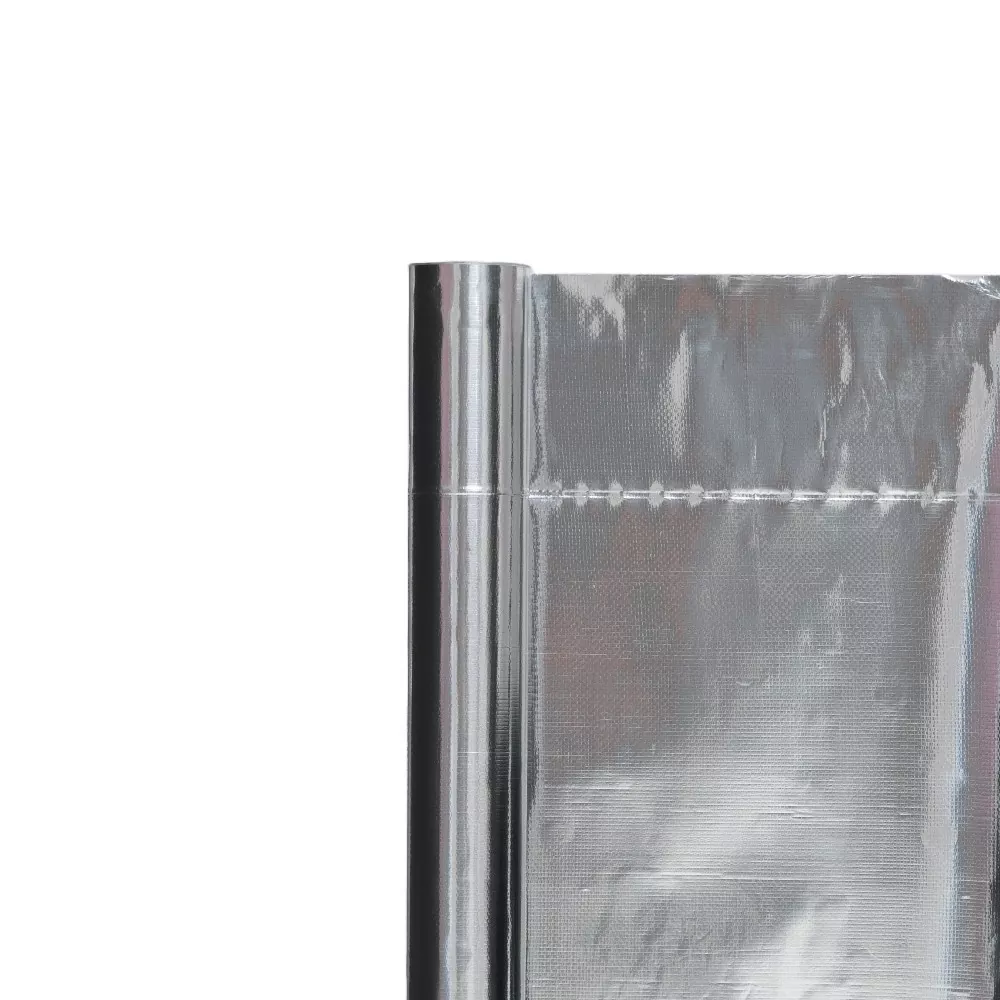
A breathable building membrane is a specialized construction material designed to provide waterproof protection while allowing water vapor to escape from inside a building structure. It is commonly installed within walls, roofs, and exterior building envelopes to create a balance between weather resistance and moisture regulation.
Unlike traditional waterproof layers that completely block moisture movement, breathable membranes allow trapped humidity to pass through while preventing external rain, snow, and wind-driven water from entering. This unique function helps maintain healthier indoor environments and protects insulation materials from moisture damage.
Modern buildings require materials that can support energy efficiency and long-term durability. A high-quality breathable building membrane provides an effective solution by improving the performance of the entire building envelope.
Why Is a Breathable Building Membrane Important?
Moisture is one of the biggest challenges affecting building durability. When water vapor becomes trapped inside walls or roofs, it may lead to condensation, mold growth, insulation failure, and structural deterioration.
A breathable building membrane helps solve these problems by controlling moisture movement. It creates a protective barrier that keeps external water away while allowing internal vapor to escape naturally.
| Common Building Problem | Impact | How Breathable Membrane Helps |
|---|---|---|
| Condensation buildup | Mold and material damage | Allows vapor transmission and improves moisture balance |
| Rain penetration | Wall and insulation damage | Provides waterproof external protection |
| Heat loss | Higher energy costs | Supports insulation performance |
| Poor indoor air quality | Uncomfortable living conditions | Reduces moisture-related problems |
How Does a Breathable Building Membrane Work?
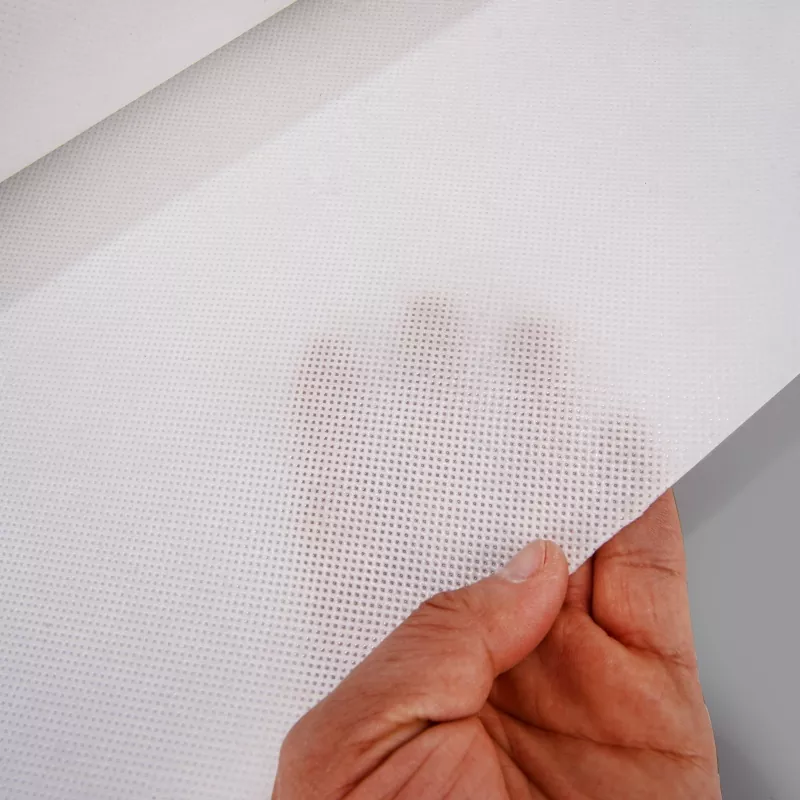
The working principle of a breathable building membrane is based on selective permeability. The membrane structure contains microscopic pores that are small enough to stop liquid water but large enough to allow water vapor molecules to pass through.
When warm air inside a building contains moisture, vapor naturally moves toward colder areas. Without proper ventilation and moisture control, condensation can occur inside construction layers. A breathable membrane provides a controlled pathway for vapor movement, reducing the risk of trapped moisture.
The main functions include:
- Water resistance: Prevents rainwater and external moisture from entering the building structure.
- Vapor permeability: Allows internal moisture vapor to escape.
- Wind protection: Reduces unwanted air movement through insulation layers.
- Thermal performance support: Helps insulation materials maintain efficiency.
Key Benefits and Performance Advantages
Choosing a reliable breathable building membrane provides multiple benefits for both construction professionals and building owners.
1. Improved Building Durability
Continuous moisture exposure can weaken construction materials over time. By preventing water intrusion and controlling vapor movement, breathable membranes help extend the lifespan of walls, roofs, and insulation systems.
2. Better Energy Efficiency
When insulation remains dry, it performs more effectively. A breathable membrane supports stable indoor temperatures by protecting insulation from moisture-related performance loss.
3. Healthier Indoor Environment
Excess humidity can encourage mold and bacteria growth. Proper moisture management creates a more comfortable and healthier indoor space.
4. Sustainable Construction Support
Modern construction focuses on reducing energy consumption and improving building efficiency. Breathable membranes contribute to sustainable building designs by enhancing thermal performance and reducing maintenance requirements.
Common Applications in Construction
Breathable building membranes are widely used in different construction projects because of their flexibility and reliable protection.
| Application Area | Main Function |
|---|---|
| Residential houses | Protects walls and roofs from moisture problems |
| Commercial buildings | Improves building envelope performance |
| Roof systems | Provides weather protection and vapor control |
| Timber frame structures | Prevents moisture accumulation inside structures |
| Renovation projects | Improves existing building protection |
How to Choose the Right Breathable Building Membrane?
Selecting the correct breathable building membrane requires consideration of several technical factors. Different construction environments require different levels of protection and permeability.
- Waterproof performance: Choose membranes with strong resistance against rain and external moisture.
- Vapor permeability: Ensure the membrane can effectively release indoor humidity.
- Mechanical strength: High tensile strength improves installation reliability.
- Weather resistance: The material should maintain performance under changing environmental conditions.
- Compatibility: The membrane should work well with insulation and construction systems.
Working with an experienced manufacturer can help customers select suitable solutions according to climate conditions, building design, and project requirements.
Breathable Membrane vs Traditional Waterproof Materials
| Feature | Breathable Building Membrane | Traditional Waterproof Layer |
|---|---|---|
| Water protection | Excellent | Excellent |
| Vapor movement | Allows moisture escape | Usually blocks vapor |
| Condensation control | Strong performance | Limited |
| Building comfort | Improves indoor environment | May increase moisture risks |
| Long-term protection | Supports durable structures | Depends on ventilation design |
Installation Tips for Better Performance
Correct installation is essential to achieve the expected performance of a breathable building membrane. Even a high-quality product may fail if installation details are ignored.
- Install the membrane according to project specifications.
- Ensure overlaps between membrane sheets are properly sealed.
- Avoid unnecessary damage during construction.
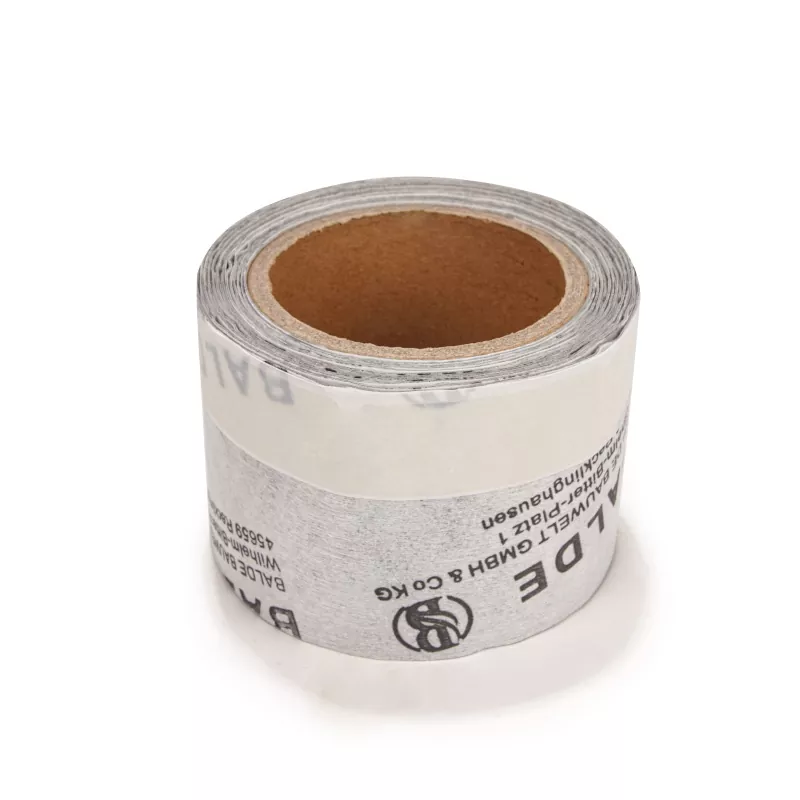
- Use compatible tapes and accessories for joints.
- Check the complete building envelope design before installation.
Professional installation helps maximize waterproof protection, vapor control, and overall building performance.
Frequently Asked Questions
Q1: What is the main purpose of a breathable building membrane?
The main purpose is to protect buildings from external moisture while allowing internal water vapor to escape, reducing condensation risks and improving structural durability.
Q2: Can breathable membranes be used for roofs?
Yes. Breathable building membranes are commonly used in roof systems to provide weather protection while maintaining proper moisture control.
Q3: Are breathable building membranes suitable for cold climates?
Yes. They are especially valuable in cold climates because temperature differences increase condensation risks. Proper vapor management helps protect insulation and structural materials.
Q4: How long can a breathable building membrane last?
The service life depends on material quality, installation methods, and environmental conditions. High-quality membranes can provide long-term protection when correctly installed.
Conclusion
A breathable building membrane plays an essential role in modern construction by combining waterproof protection with effective moisture management. It helps prevent condensation, protects insulation, improves energy efficiency, and creates more durable buildings.
For architects, contractors, and building owners, choosing a reliable membrane solution is an important step toward achieving high-performance construction. Xiong County Xiashi Packing Co., Ltd. provides professional breathable building membrane solutions designed to meet different project requirements with reliable quality and advanced manufacturing capabilities.
Looking for a dependable breathable building membrane solution for your next construction project? Contact us today to discuss your requirements and discover high-quality products from Xiong County Xiashi Packing Co., Ltd.
Related News
- House Dress: Nearly 20 Year Expertise In Building Envelope Membrane Solutions
- Jinbo House-Dress: How China's Enclosure Membrane Materials Meet The Diverse Architectural Needs Of Overseas Markets
- Building Envelope Sealing Tapes: Small Auxiliary Materials Can Determine The Success Or Failure Of The Entire Membrane System
- Jinbo House Dress:New Iteration Of Self-Adraping Anti-Condensation Felt Now Released
- Providing Global Customers With One-Stop Building Envelope Material Solutions
- Modern Building Envelopes—The Importance Of Water-Resistant, Breathable Membranes
Leave me a message







 Miranda
 Miranda