The Hidden Guardian Of Rooftop PV: Xiashi Membrane Becomes A BIPV Essential
As mandatory BIPV policies take effect in the EU, North America, and Southeast Asia in 2026, and IEA data confirms record global PV installations, the severe microclimate beneath solar panels is exposing the critical weaknesses of traditional roofing materials. High-performance breathable membranes are rapidly emerging as an indispensable solution for the full lifecycle protection of Building-Integrated Photovoltaics (BIPV) and solar roof systems.
According to the latest industry tracking report released by the International Energy Agency (IEA) this week, global solar photovoltaic (PV) new installations have surged by over 25% year-on-year in the first half of 2026.This boom is being significantly accelerated by newly enforced renewable energy policies: the EU’s Solar Rooftop Initiative, the extension of the U.S. Investment Tax Credit (ITC), and China’s comprehensive county-level distributed PV pilot programs.
However, as "PV + Architecture" becomes a global standard rather than an optional upgrade, the complex engineering challenge has quietly surfaced on construction sites worldwide: how to protect the underlying roof structure from the extreme, unforgiving microclimate that exists directly beneath an active PV module.
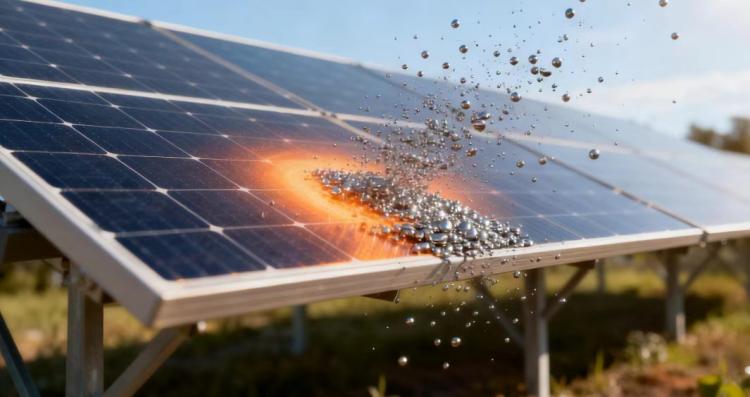
The "Steaming Chamber" Effect: Why Traditional Materials Fail Under Solar Panels?
Solar panels turn sunlight into power yet build up abundant heat on their back layers, forming local hot zones. When summer temperatures peak, areas right under PV racks often climb above 80°C, which surpasses the softening threshold of regular asphalt and EPDM roof films.
Heat alone does not create this issue. Daytime high heat paired with nighttime sharp cooling triggers repeated expansion and contraction cycles. Such constant temperature shocks build up persistent condensation that soaks roof base materials. Conventional waterproof membranes face three harsh threats: high heat, heavy moisture and strong UV rays, which exceed their designed working range. These materials then age fast, turn brittle and form tiny cracks. Once damaged, roof insulation soaks up water and loses 60% to 70% of its heat resistance. In severe cases, dampness rots wooden purlins and rusts steel supports, triggering expensive unplanned shutdowns for solar facilities.
Xiashi's Solution: More Than a Waterproof Barrier, A System Lifespan Amplifier
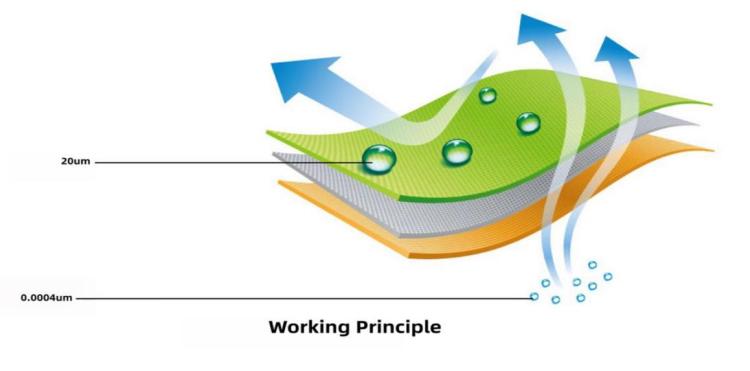
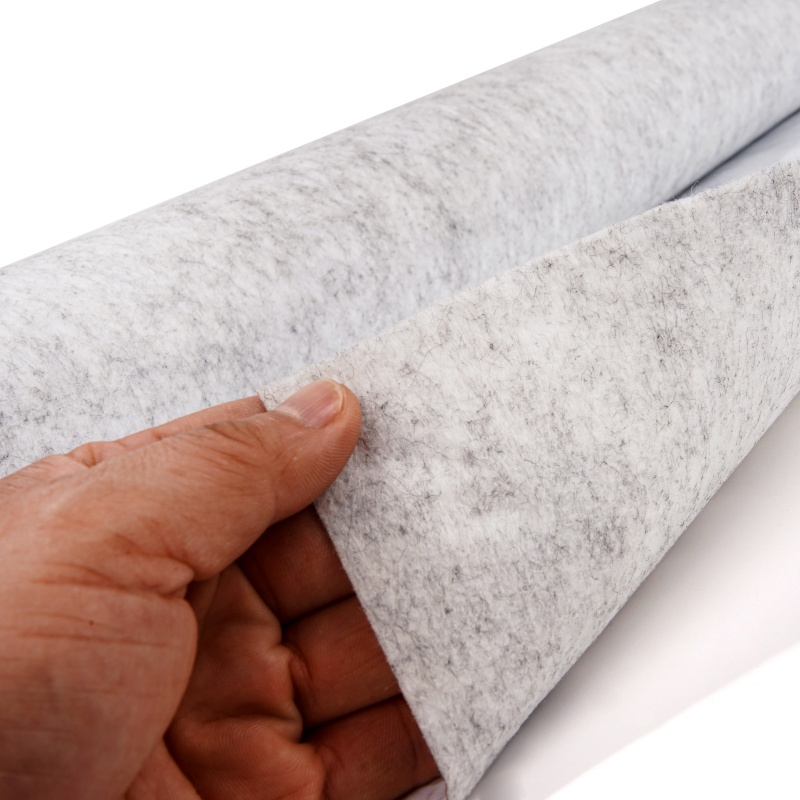
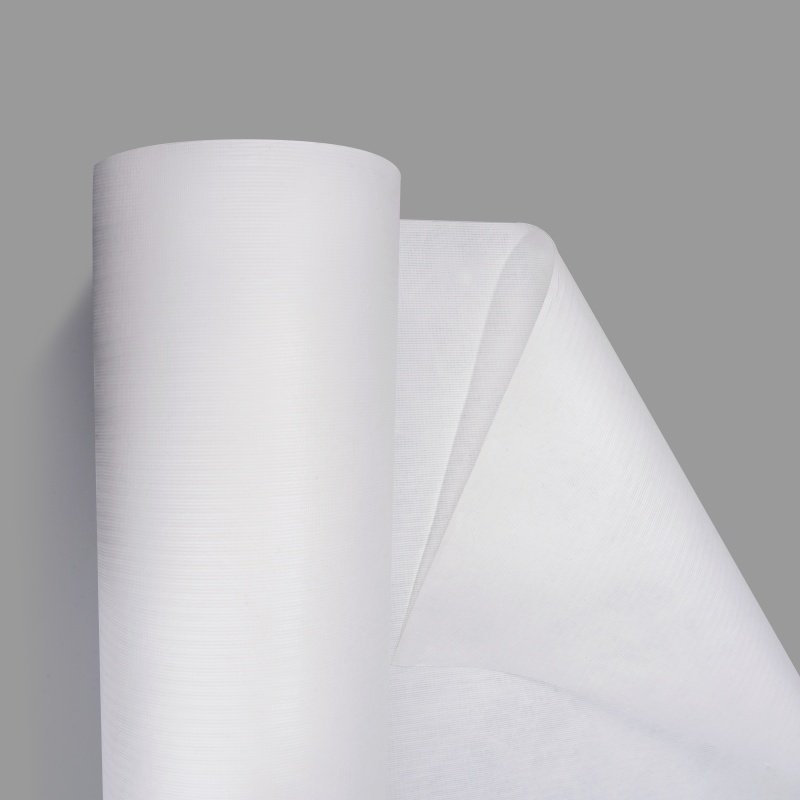
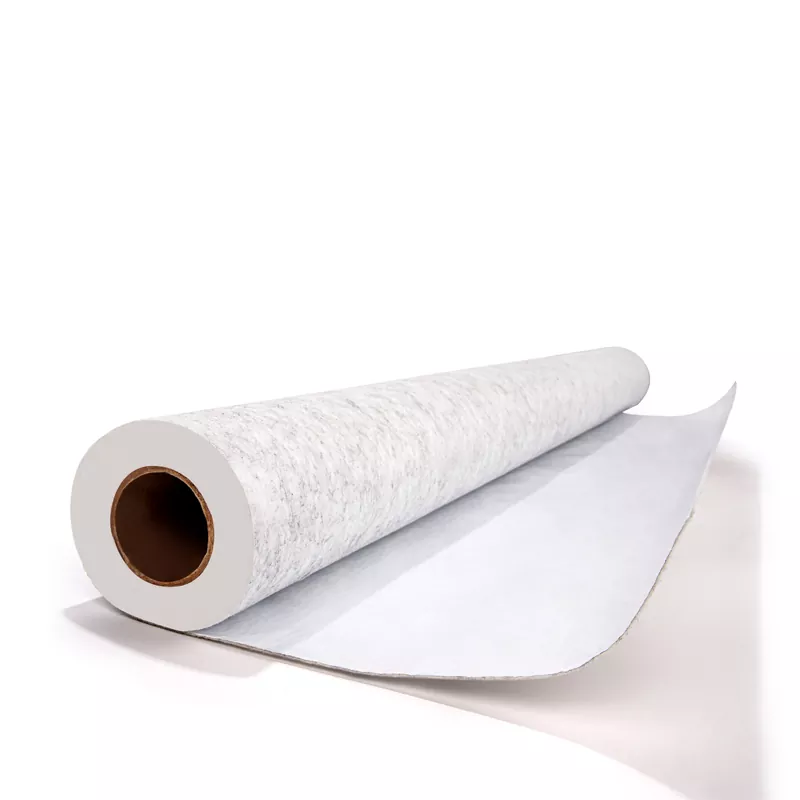
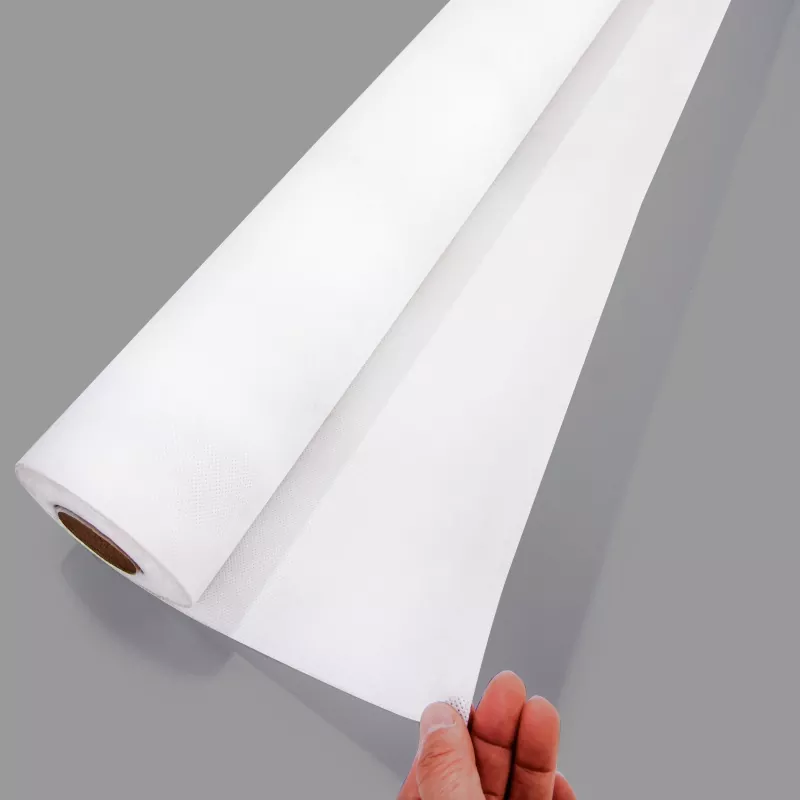
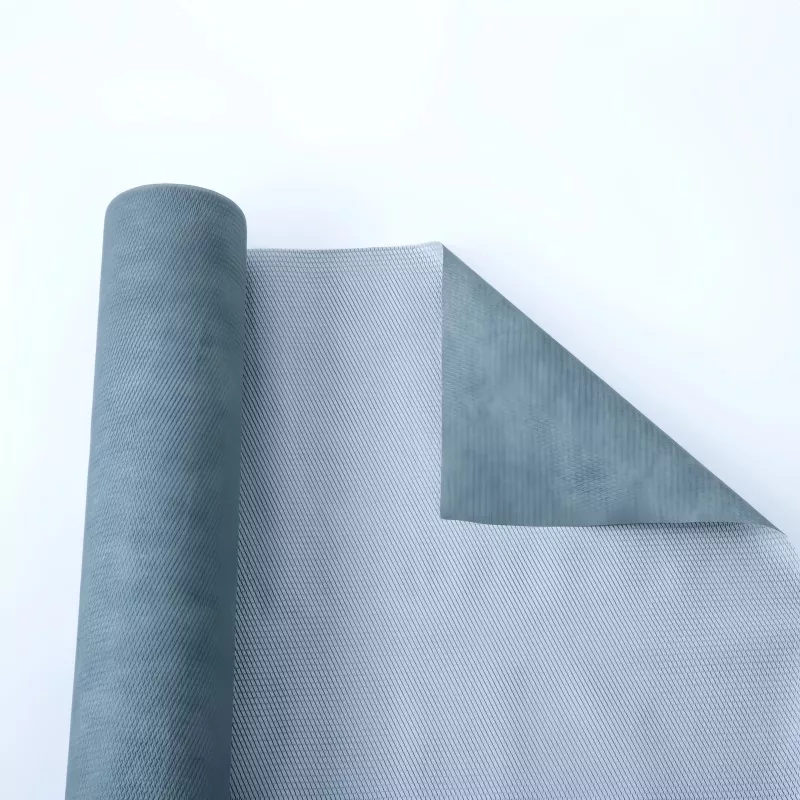
Recognizing these industry pain points, Xiashi Packing Co., Ltd., leveraging over 40 years of expertise in polymer material R&D, has engineered its flagship Breathable Membrane specifically for this complex environment. The membrane utilizes a sophisticated three-layer "sandwich" composite structure. Laboratory tests confirm that it remains physically resilient without cracking or embrittlement at sustained temperatures of up to 80°C and has passed 168 hours of rigorous accelerated UV aging tests—far exceeding standard industry requirements.
Its core advantage comes from micro-pore ventilation construction. It fully blocks liquid rain yet lets trapped water vapor flow out steadily. This one-way moisture release stops condensation from sticking to roof insulation and steel frames. Besides, the sheet works as a thermal buffer between solar panels and roof decks, easing dramatic temperature swings. Relevant building research shows this breathable sheet keeps roof layers dry and maintains steady heat insulation performance for more than 20 years, cutting long-term running costs of solar projects greatly.
From Industrial Factories to BIPV Glass Facades: Broad Scenario Application
The versatility of Xiashi Packing Co., Ltd.'s Breathable Membrane extends far beyond standard steel-structure factory roofs. The product is becoming an essential specification for:
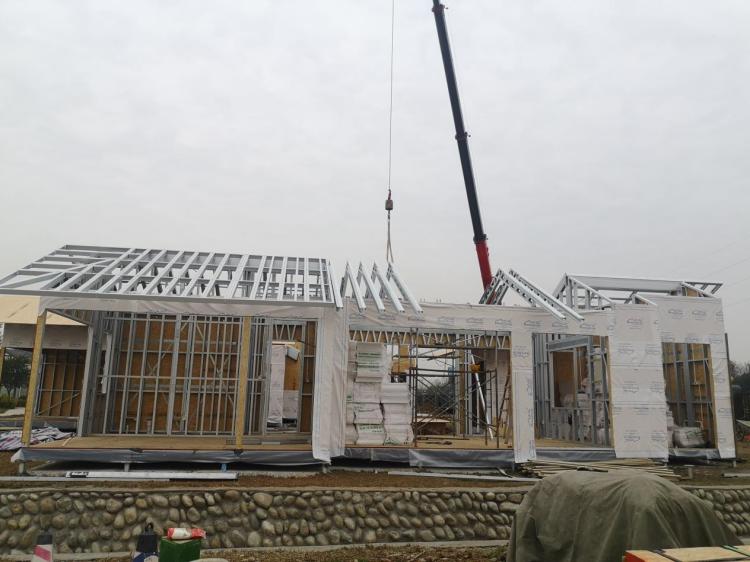
· Light Steel Villas and Residential Solar Roofs: Ensuring thermal efficiency and structural safety for private residential BIPV projects.
· Agricultural PV : Protecting greenhouse bases and livestock shelters equipped with solar roofs from excessive condensation and heat stress.
· High-End BIPV Curtain Walls: Acting as a crucial moisture and vapor isolation layer behind aesthetic glass PV facades, preventing the concealed metal frames and interior insulation materials from rusting or rotting.
· Solar Carports: Providing durable weatherproofing for commercial and public PV carport structures exposed to harsh outdoor elements.
Stable Supply Chain, Global Certifications, and Flexible Customization
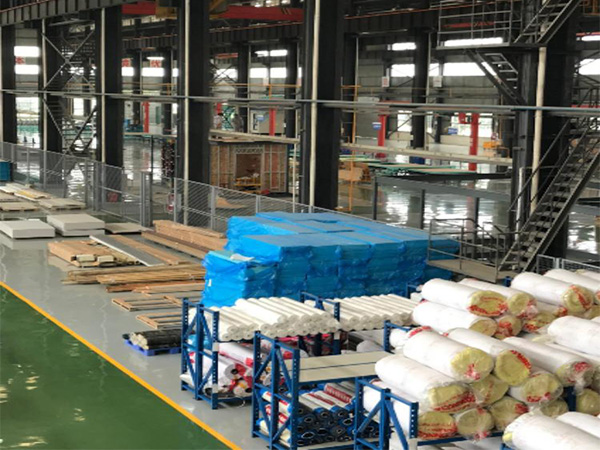
To ensure that global BIPV project schedules are never delayed, Xiashi Packing Co., Ltd. operates as a direct manufacturing source with independent, fully controlled production lines. We offer a comprehensive OEM customization service that supports custom private labeling, custom logo printing, and highly flexible roll sizing—including the 9ft and 10ft wide formats commonly required in North America and Australia, as well as precise metric sizes preferred in European markets. Additionally, all manufacturing processes operate under strict SGS environmental and quality management standards, and our products are compatible with CE and BBA requirements, providing the authoritative third-party test reports essential for securing international project tenders. To assist engineering firms and contractors in verifying material quality, we readily dispatch Free Sample kits for real-world on-site performance testing.
Conclusion: Building the Resilient Future of Solar Energy
As the global BIPV wave reshapes modern architecture, the quality and durability of building envelope materials directly dictate the long-term return on investment of green energy systems. By delivering high-performance, certified, and highly adaptable solutions, Xiashi Packing Co., Ltd. is making a significant contribution to the sustainable and reliable future of global solar roof infrastructure.
Related News
- Providing Global Customers With One-Stop Building Envelope Material Solutions
- Modern Building Envelopes—The Importance Of Water-Resistant, Breathable Membranes
- Smart Microporous Filtration: Blocking Rain, Venting Moisture
- Waterproof Breathable Membrane - "Breathing Protective Suit" For Modern Building Envelopes
- Xiashi Packing Overseas Market Visit: Real Project Applications Of Breathable Membranes
- The Functions And Common Types Of Breathable Membrane
Leave me a message


 Miranda
 Miranda