Breathable Membrane VS. Vapor Barrier: A Technical Guide For Building Professionals
Choosing the right moisture management material for high-performance building envelopes is critical. While both breathable membranes and moisture barriers offer protection, they serve opposite functions. Incorrect selection often leads to trapped moisture, mold growth, and premature insulation failure. As a manufacturer with over 40 years of experience, Xiashi Packing Co., Ltd. offers our Jinbo® series to help you solve these challenges. Below is a clear guide to selecting the correct product for your project.
5 Key Differences at a Glance
|
Aspect |
Breathable Membrane |
Vapor Barrier |
|
Installation Location |
Outside (top of the insulation layer) |
Inside (bottom/warm side of insulation) |
|
Primary Function |
Block external water; allow internal vapor to escape |
Block internal moisture vapor from entering the wall cavity |
|
Vapor Permeance |
High (10–20 Perms) |
Extremely low (Sd ≥ 100m or similar rating) |
|
Key Benefit |
Keeps insulation dry, prevents condensation,extends building life |
Prevents warm indoor air from condensing inside walls |
|
Application Example |
Under roof tiles, behind exterior cladding |
Between interior drywall and insulation, under concrete slabs |
What is a Breathable Membrane?
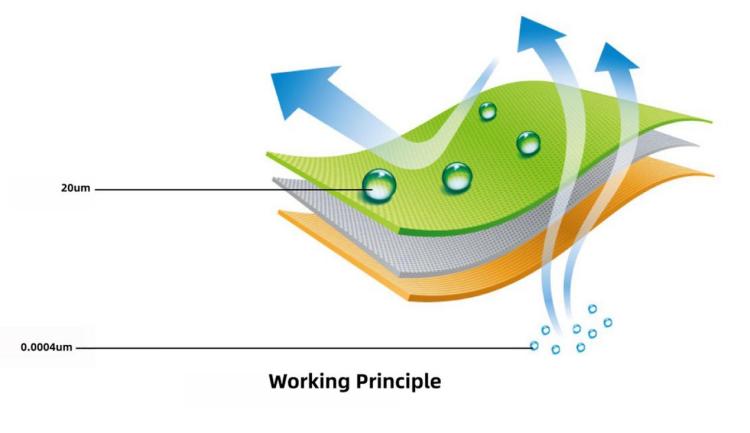
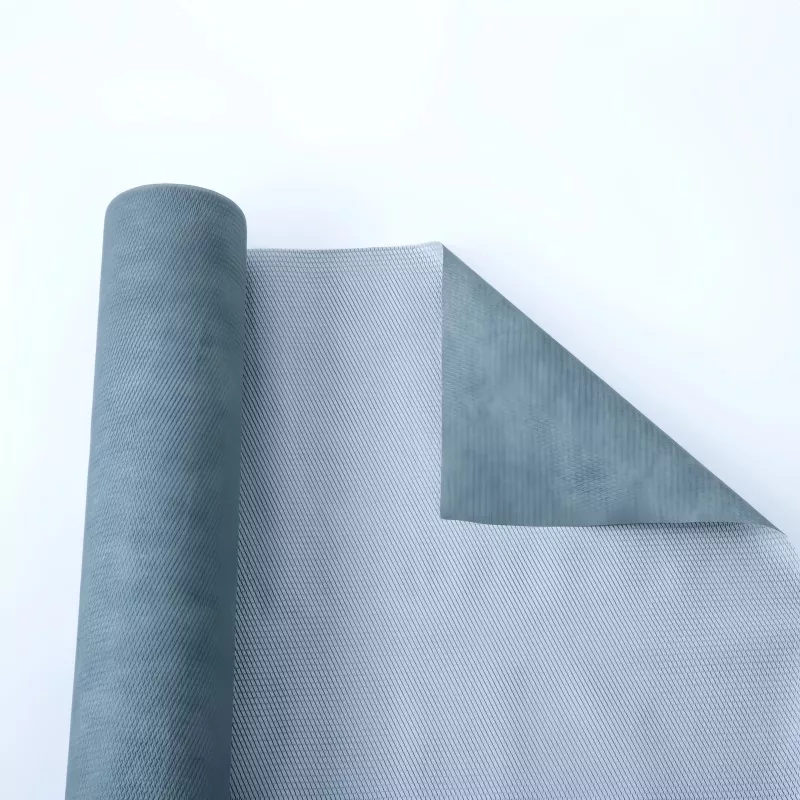
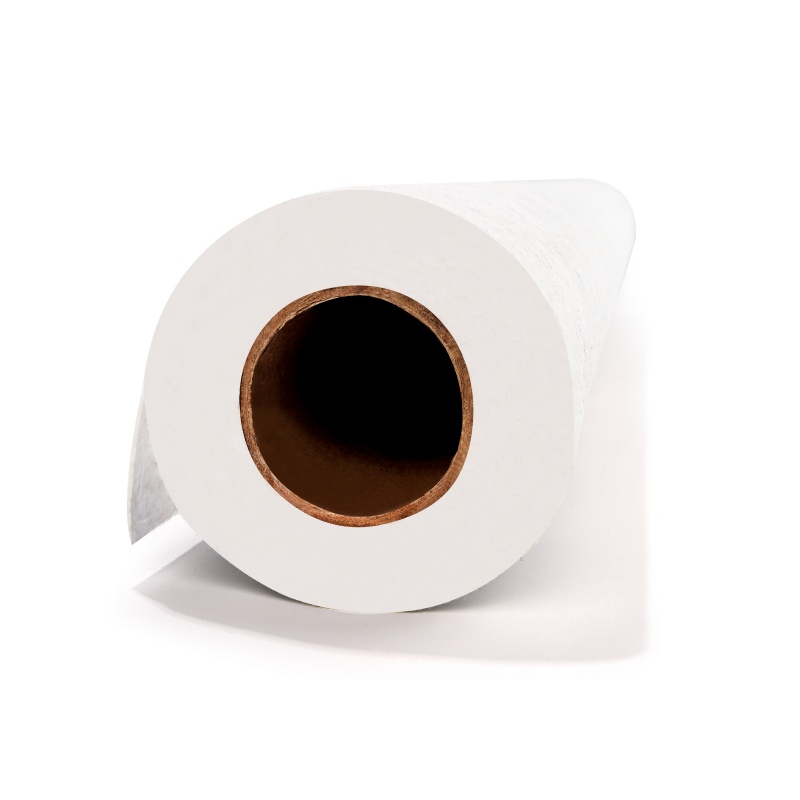
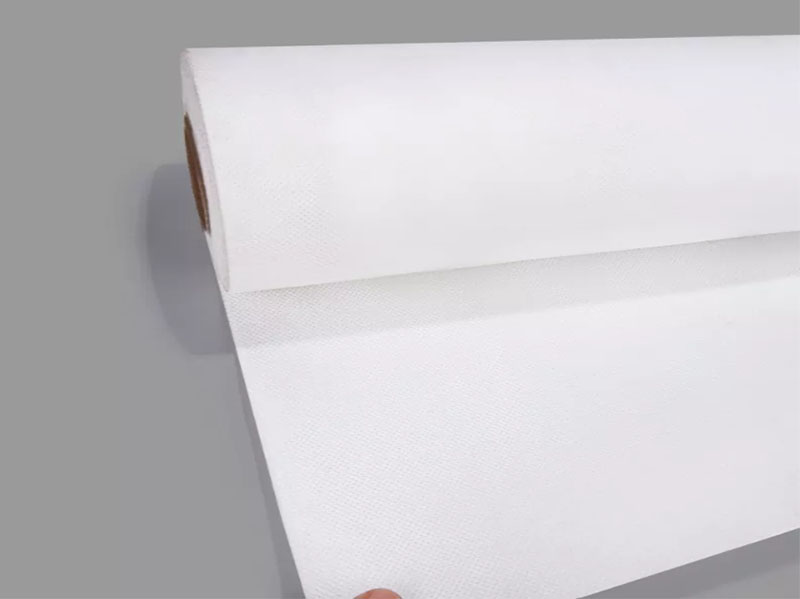
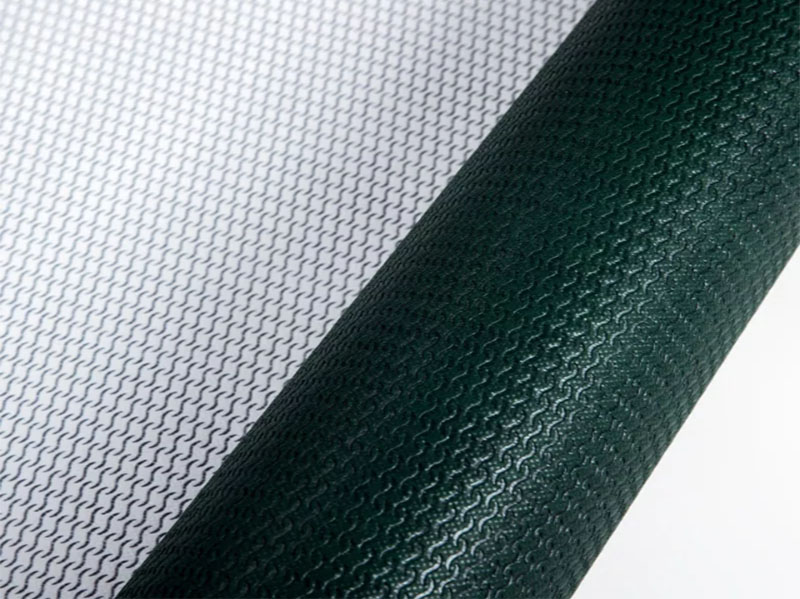
A breathable membrane (or waterproof breathable membrane) is a functional material installed on the exterior of the insulation layer. Its dual function is to prevent liquid water (rain, snowmelt) from seeping into the wall/roof structure, while allowing internal water vapor to escape to the outside. This is the “golden combination” of protection and ventilation. Our Jinbo® breathable membrane uses a 3-layer “sandwich” structure—PP spunbond nonwoven on both sides with a high-performance PE core. The microporous structure prevents water droplets (≈20 micrometers) from entering due to surface tension, while allowing water vapor (≈0.0004 micrometers) to pass freely.
Key Performance Data (Jinbo® Breathable Membrane):
• Moisture Permeability: 10–20 Perms (ASTM E96)
• UV Resistance: Up to 6 months (ASTM G154-06)
• Weight Range: 90–200 gsm, Width from 75mm to 3.2m (customizable)
• Main Applications: Exterior walls (timber, steel, concrete frame structures), pitched roofs and metal roofing systems, passive houses, prefabricated buildings, and around door and window openings.
What is a Moisture Barrier?
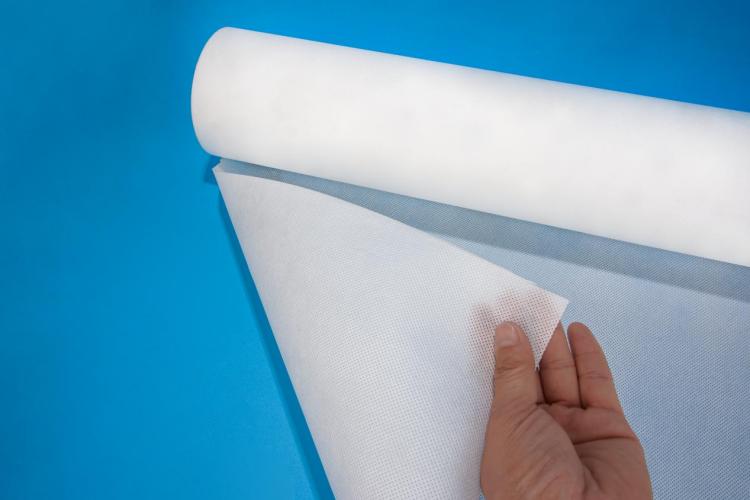
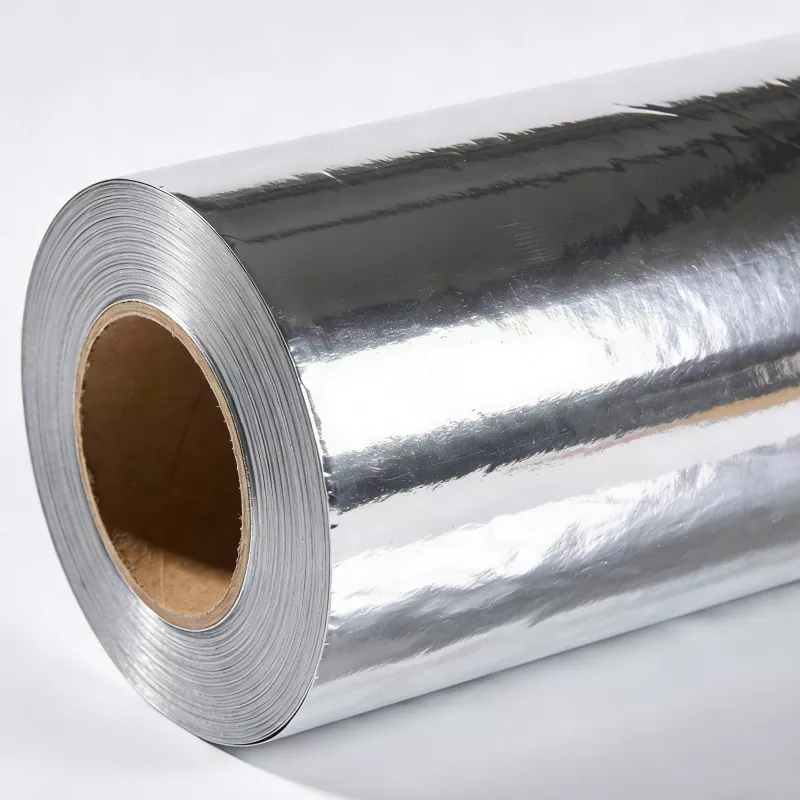
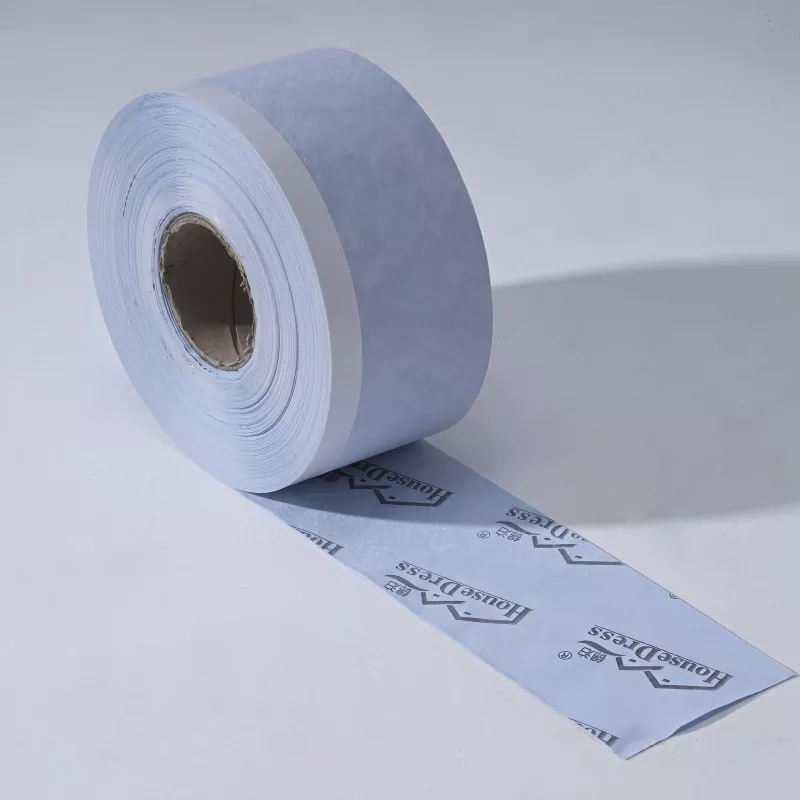
A moisture barrier (vapor barrier) is installed on the inside (warm side) of the insulation. Its main purpose is to prevent warm, humid indoor air from seeping into the wall or roof cavities. Without it, this moisture will condense inside the insulation during winter, causing mold, rot, and reduced insulation performance. Xiashi Packing Co., Ltd.’s Jinbo® moisture barrier uses advanced multi-layer co-extruded polyethylene technology, achieving water vapor permeability as low as 0.01 g/m²/24h and a high puncture resistance of 200N.
The standard for measuring moisture barrier performance is the Sd value (equivalent air layer thickness). According to industry standards:
• Moisture barrier: Sd ≥ 100 m (Completely impermeable to water and water vapor, suitable for high humidity locations such as swimming pools)
• Moisture barrier: 2 m < Sd ≤ 20 m (Partially blocks water vapor, controls moisture penetration)
Jinbo® moisture barrier uses high-quality multi-layer co-extruded polyethylene technology, achieving a water vapor permeability as low as 0.01 g/m²/24h—far lower than traditional industry levels—and a puncture resistance of up to 200N.
Why Modern Building Codes Require Both?
Leading building standards—such as Australia’s NCC 2025 and Europe’s EN 13859—are increasingly stringent on condensation control. Energy-efficient buildings are built tighter than older ones. While this saves energy, it also traps moisture.
· A breathable membrane protects the building from external moisture while allowing trapped internal moisture to escape.
· A moisture barrier prevents internal moisture (generated by cooking, heating, and occupants) from spreading outwards into the wall cavity.
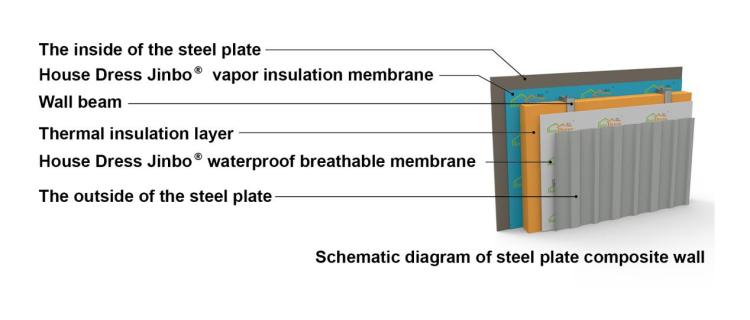
· Together, they form a complete moisture-proof system—widely known as the industry standard for "golden combination" in modern high-rise and light steel construction.
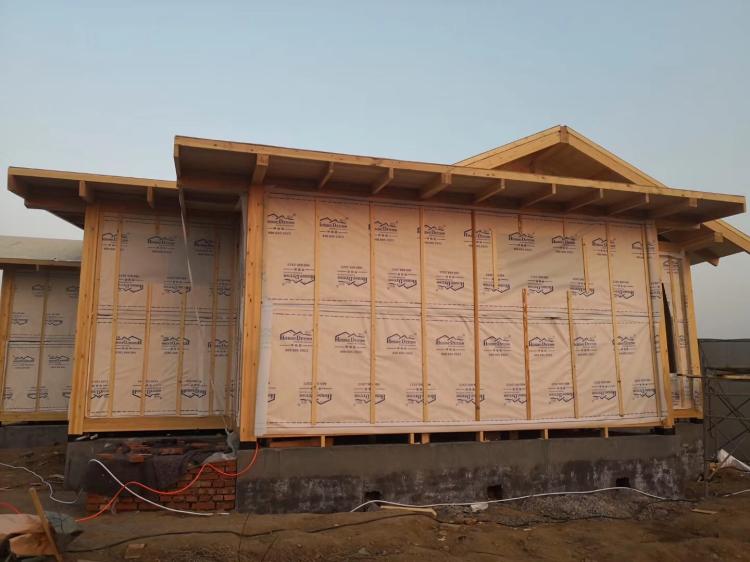
· Design principle: The outer breathable membrane allows the walls to "dry" outwards. The inner moisture barrier prevents moisture from seeping into the walls at the source. Together, they form a complete moisture-proofing system, a "golden combination" in the construction industry.
How to Choose the Right Material for Your Project?
· Climate: In cold climates, a moisture barrier on the warm side is critical. In hot, humid climates, the setup may differ. Always adhere to local building codes.
· Structure Type: Timber frames, steel structures, and concrete walls interact differently with moisture. Breathable membranes are standard for ventilated curtain walls, while moisture barriers are crucial for warm roofs.
· Performance Data: Check the Perms value and UV resistance for breathable membranes. Check the Sd value for moisture barriers. Our Jinbo® series is fully ISO, CE, and SGS certified with third-party test reports available.
Common Misconceptions
· Misconception 1: “They are interchangeable.”
No. They must be placed on the correct side of the insulation. Swapping them leads to structural failure.
· Misconception 2: “A breathable membrane alone is sufficient.”
No. In winter, warm indoor air will still enter the wall cavity without an inner vapor barrier. A breathable membrane and a moisture barrier are complementary.
· Misconception 3: “All moisture barriers are the same.”
No. Co-extruded polyethylene moisture barriers offer higher puncture resistance and lower vapor permeability than standard films, making them far more durable.
Conclusion
Breathable membranes and moisture barriers are not substitutes;They are complementary components that make up a robust, high-performance building envelope. Proper selection is the key to achieving energy efficiency and long-term structural health.
Get Free Samples for Your Next Project!With over 40 years of manufacturing experience and a 50,000-square-meter facility, Xiashi Packing Co., Ltd. provides full support for OEM/ODM customization (width, thickness, weight, and packaging) for the global construction market.
Need to choose the right membrane for your building? Contact us today to receive free samples, third-party test reports (SGS, CE, BBA), and customized OEM solutions tailored to your specific construction needs.
Previous :
-
Related News
- Xiashi Packing Co., Ltd. Highlights Systemized Building Envelope Solutions
- Breathable Membrane Vital Amid SE Asia's 2026 Monsoon
- Xiashi Packing Co., Ltd. Strengthens Global Position With Certified Breather Membrane Solutions
- How Does a Breathable Building Membrane Improve Modern Construction Performance?
- What Is Anti Condensation Felt and Its Role in Preventing Moisture Damage in Industrial Applications?
- Beyond House Wrap: What Large Building Material Buyers Really Need From a Waterproof Breathable Membrane Supplier
Leave me a message



 Miranda
 Miranda