Moisture And Fire Safety Become Key Issues In EV Factory Construction
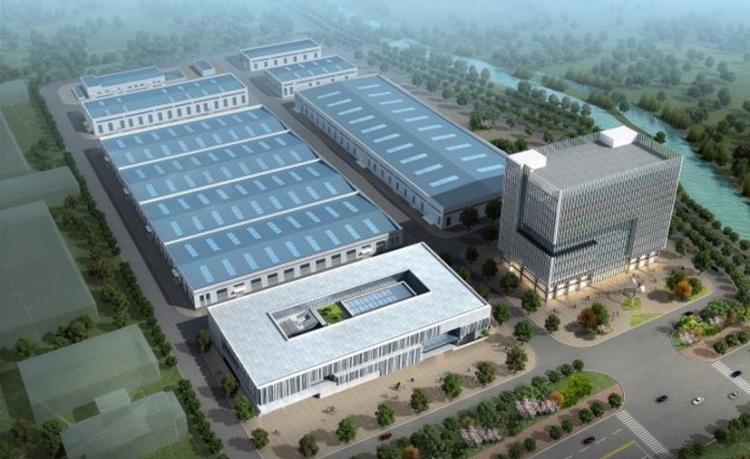
In August 2026, new energy vehicle and battery factories around the world have entered a phase of intensive construction. These modern workshops demand much higher standards than traditional metal housewraps. They will house automated equipment sensitive to temperature and humidity, and store chemically reactive materials. Therefore, project teams and supervisors pay close attention to waterproofing, airtightness, and the flame retardancy of exterior walls. Ensuring a dry, stable environment for decades while passing fire inspections must be addressed early in the planning phase.
As an experienced building‑envelope material manufacturer founded in 1984, Xiashi Packing Co., Ltd. delivers high‑performance breathable membranes, anti‑condensation felts and matching auxiliary materials for large‑scale industrial projects. With in‑house full‑process production and complete SGS, ISO certifications, the factory develops application‑specific materials tailored for the strict requirements of EV and battery plant builds, supporting both domestic and overseas engineering contractors with standardized and custom‑cut solutions.
Moisture control directly affects production safety
In a regular housewrap, a small roof leak might only wet a few boxes. But the environment in a battery workshop is entirely different. It houses expensive coating machines, ovens, and testing instruments with circuits highly sensitive to moisture. Even a few drops of water entering the equipment can cause short circuits and shut down the entire production line, leading to costly repairs and order delays. Long-term moisture also corrodes cement floors and steel frame bases, increasing future maintenance costs, and battery powders are ruined if they get wet.
Beyond the equipment and floors, persistent roof leakage can also erode internal wall structures and the weld joints of the steel frame. Once the welds get wet and rust, it can lead to structural deformation and even compromise the overall safety of the workshop. This makes later structural reinforcement and repairs extremely difficult and significantly drives up the long-term operational costs of the building.
Large metal roofs are prone to condensation
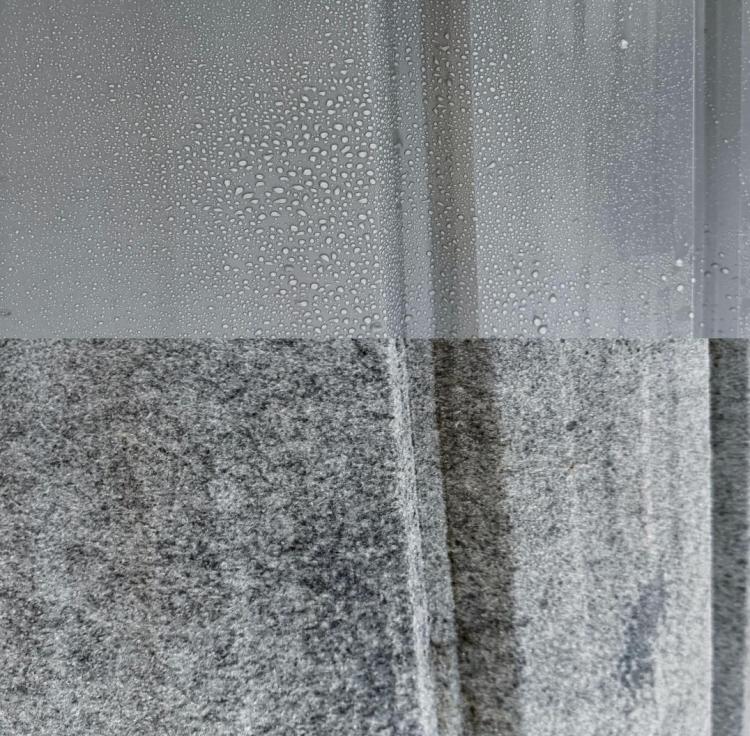
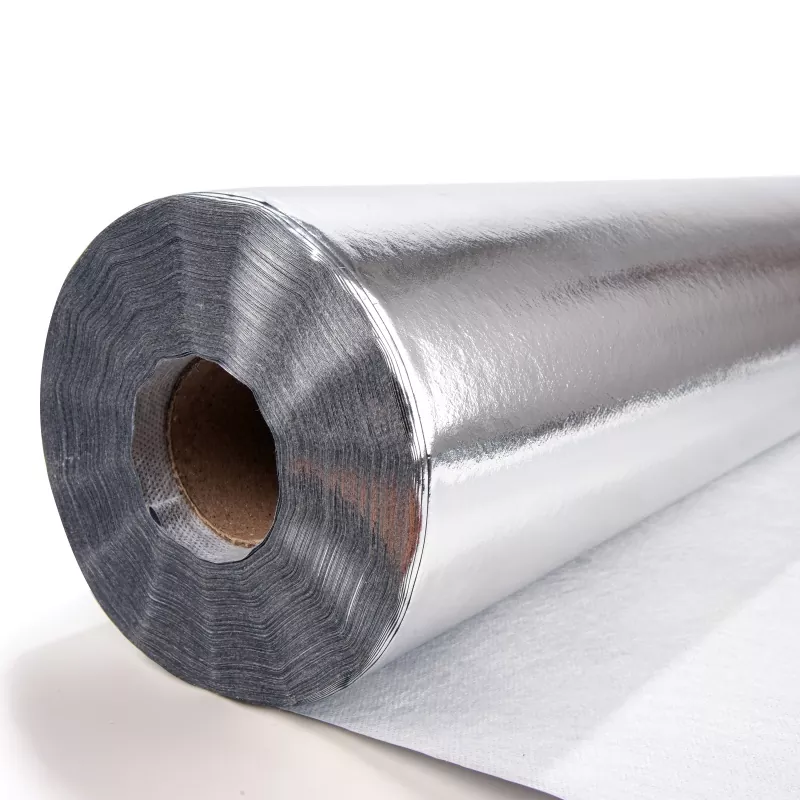
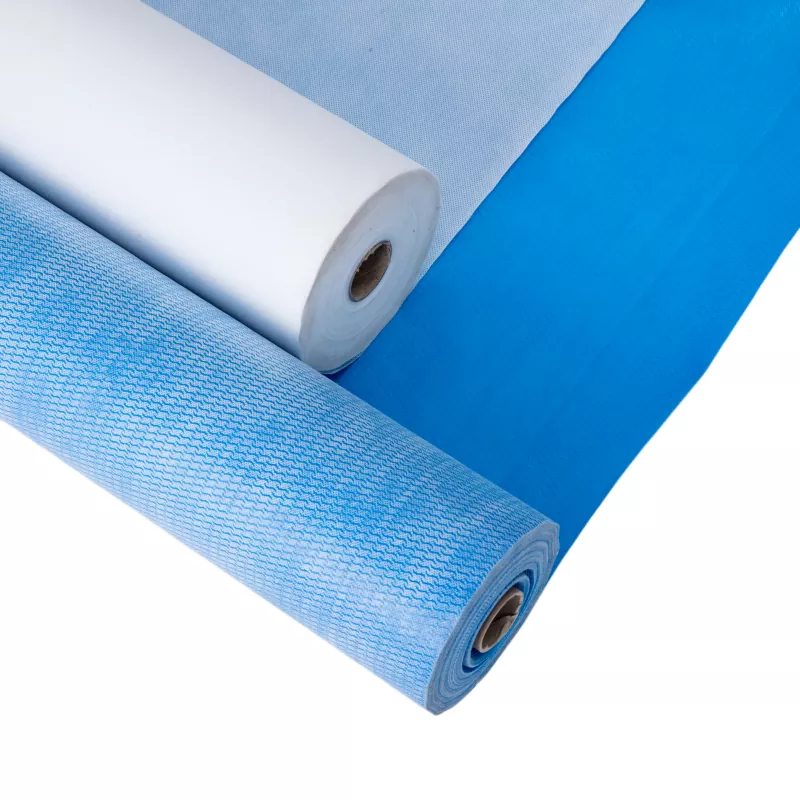
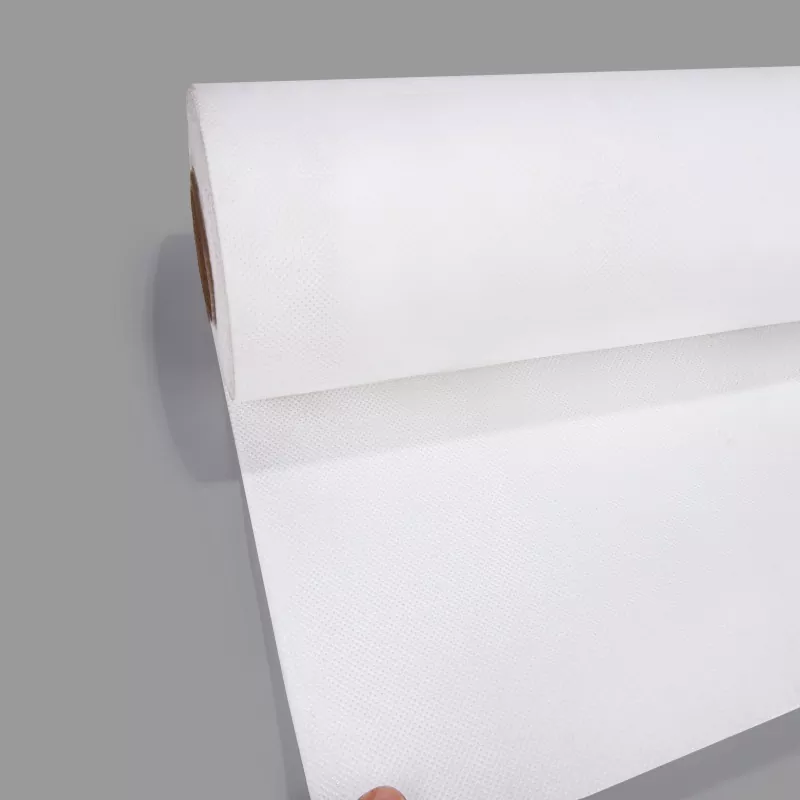
New energy factories widely use large metal roofs. Daytime sunlight raises temperatures high, while nighttime temperatures drop sharply. This drastic fluctuation causes a large amount of condensation to form on the underside of the metal panels, much like the roof "sweating." If these water droplets drip along the seams onto precision equipment or battery materials, the consequences are severe. To solve this, many newly built factories install a layer of Breathable Membrane or Anti-condensation Felt under the roof, which absorbs and vents condensation while blocking external moisture.
Fire safety inspections are extremely strict
Beyond moisture control, fire safety cannot be overlooked. The production process uses large amounts of flammable electrolytes and organic solvents. When exposed to fire, they spread quickly and produce thick black smoke, severely hindering visibility and evacuation. Therefore, fire departments check not only the insulation's fire resistance but also whether the exterior moisture-proof membrane or breathable membrane meets the required standards. If the membrane lacks flame-retardant properties, flames can rapidly climb up the exterior wall into the insulation layer, greatly expanding the fire area.
Failing a fire inspection doesn't just mean failing to get a certificate. If the factory remains idle during the mandatory rectification period, daily rent, equipment depreciation, and staff payroll continue to pile up. This is precisely why many contractors now make the compliance of flame-retardant materials their top priority during the procurement process.Choosing a breathable membrane that meets flame-retardant standards, such as the HD-K160 model with B2 flame retardant performance, can effectively slow down the upward spread of flames when exposed to fire. Even a delay of a few seconds is vital for workers to evacuate safely. Compliant membranes help factories pass fire inspections smoothly, avoid costly shutdowns for rectification, and may even lead to better property insurance rates.
High-altitude work requires tough membrane materials
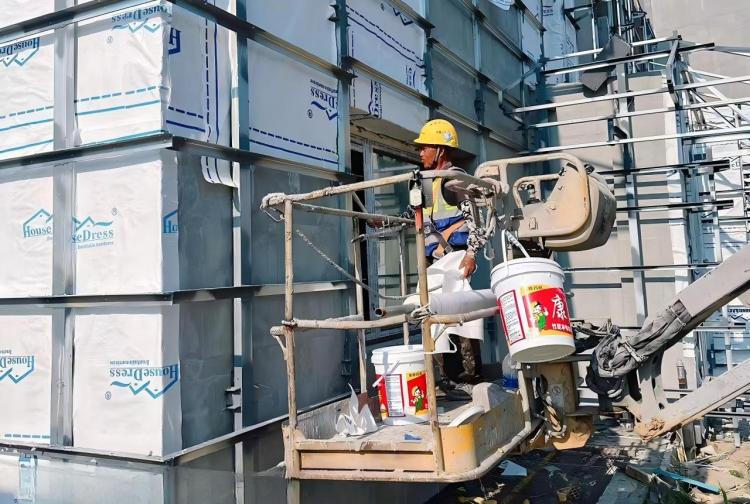
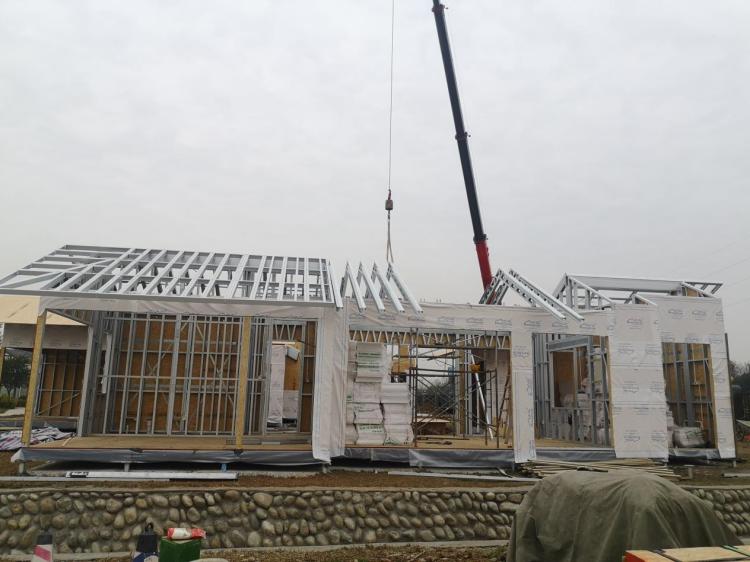
The roofs of new energy factories are often very high, with some exceeding ten meters. When installing waterproof materials at such heights, workers must operate on steel purlins with very limited space for movement. During installation, workers frequently walk across the membrane, carry heavy steel sheets, and use staple guns. If the membrane lacks toughness, it is easily damaged. Patching it at high altitude is highly time-consuming; fixing even a small hole often requires climbing up and down the ladder several times, consuming half a day's work and slowing down the entire project schedule.
Exported projects have clear compliance and customization needs
Whether for domestic industrial parks or overseas factories, procurement teams require standard inspection reports and certifications before materials arrive, with supervisors checking each shipment carefully. International certifications like SGS for breathable membranes and flame-retardant materials are highly recognized, streamlining the material acceptance process. Additionally, roll size standards vary by region. Suppliers who can pre-cut materials according to drawings, and factories that provide matching vapor barriers or aluminum foil reflective films, often offer higher efficiency during construction, saving on-site time and reducing waste.
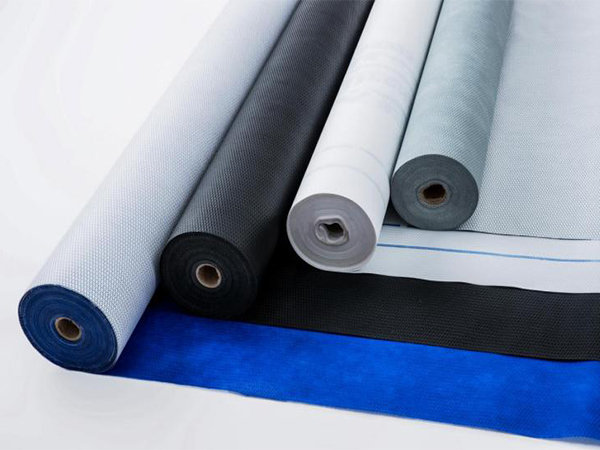
With rich practical experience serving new‑energy plant projects, Xiashi Packing Co., Ltd. provides complete material sets including flame‑retardant breathable membranes, anti‑condensation felts and matching auxiliary layers. Its products balance moisture resistance, fire safety and high‑altitude installation durability, helping contractors avoid common on‑site risks. Supported by full third‑party certifications and custom processing capability, the manufacturer works closely with global engineering teams to deliver compliant, long‑lasting building envelope solutions for EV and battery factory builds.
Related News
- House Dress: Nearly 20 Year Expertise In Building Envelope Membrane Solutions
- Jinbo House-Dress: How China's Enclosure Membrane Materials Meet The Diverse Architectural Needs Of Overseas Markets
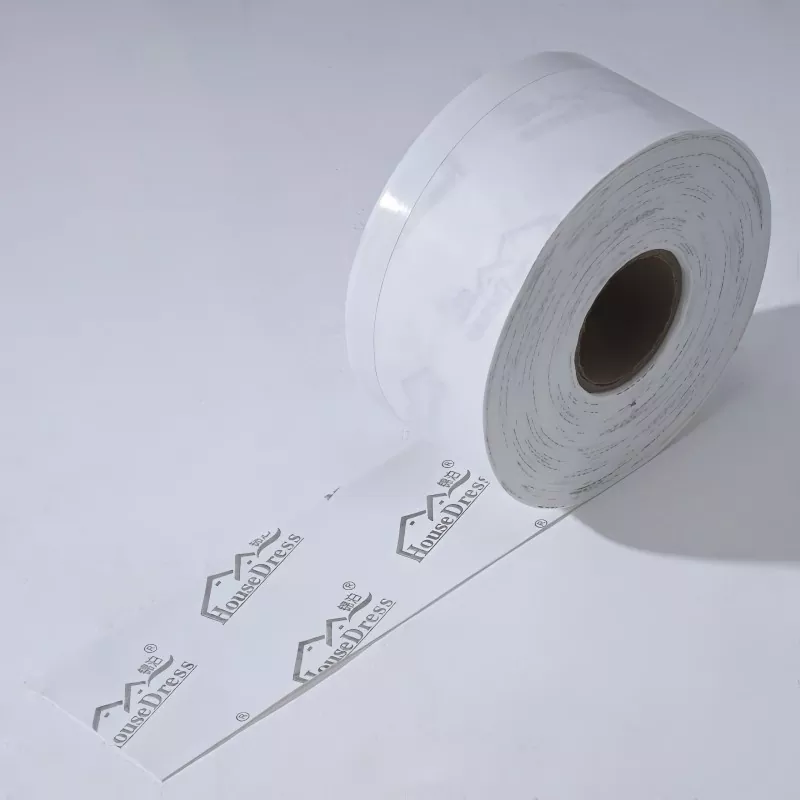
- Building Envelope Sealing Tapes: Small Auxiliary Materials Can Determine The Success Or Failure Of The Entire Membrane System
- Jinbo House Dress:New Iteration Of Self-Adraping Anti-Condensation Felt Now Released
- Providing Global Customers With One-Stop Building Envelope Material Solutions
- Modern Building Envelopes—The Importance Of Water-Resistant, Breathable Membranes
Leave me a message




 Miranda
 Miranda