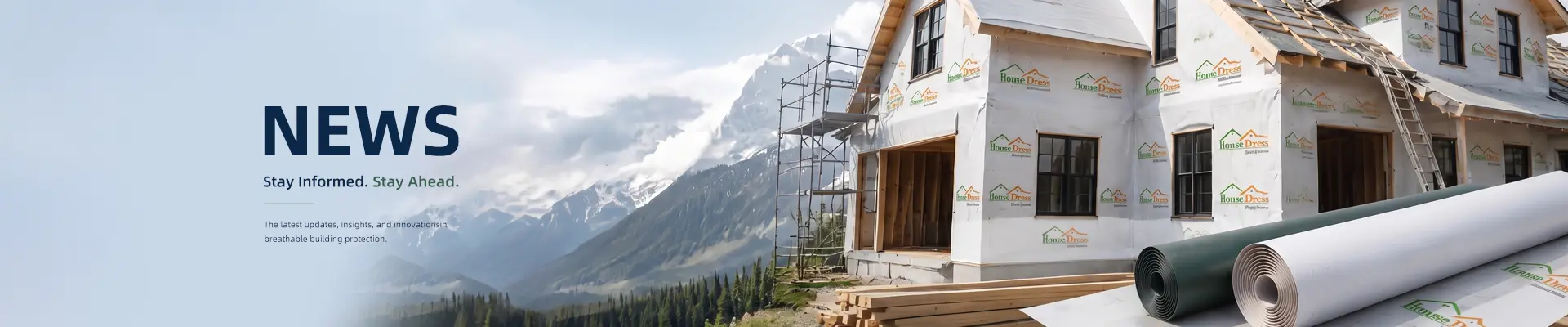
Modern Building Envelopes—The Importance Of Water-Resistant, Breathable Membranes
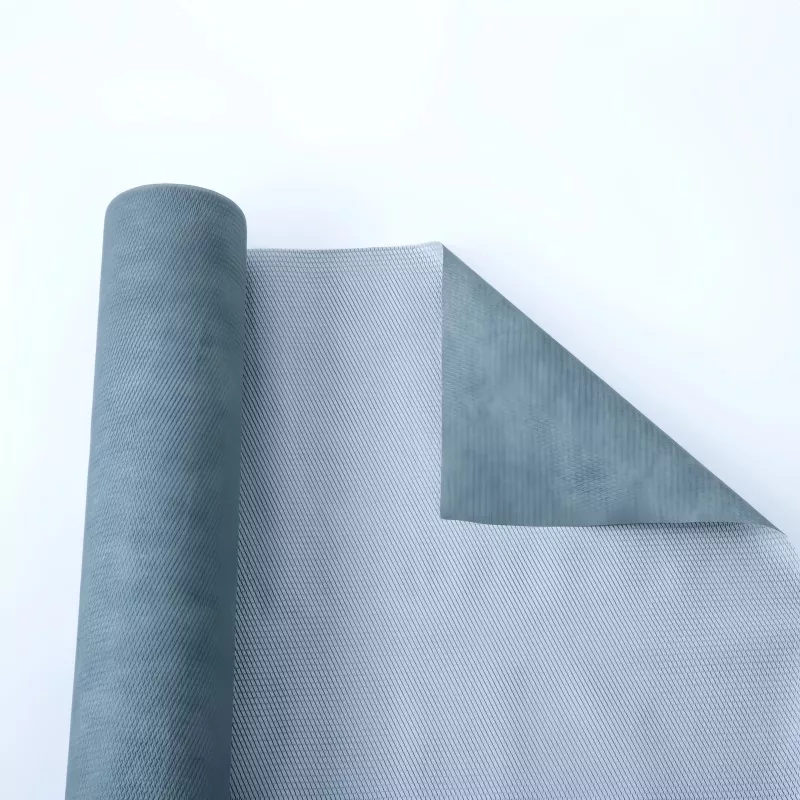
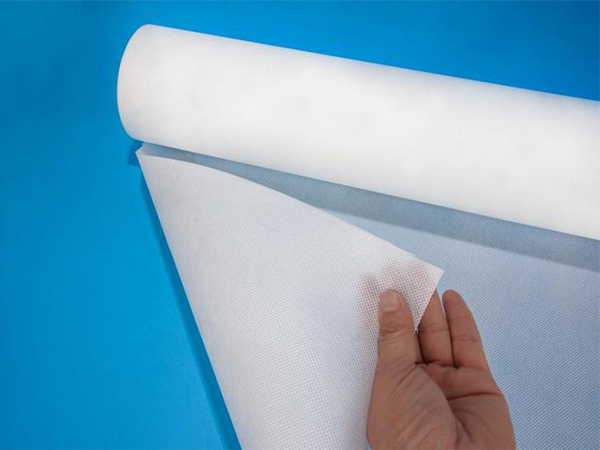
Think of your building wrapped in a smart outer jacket. It keeps wind and rain out, yet lets moisture trapped inside drift away slowly. That’s exactly what water-resistant breathable membranes bring to modern building envelopes.
Put an End to Moisture Troubles
Older waterproofing solutions work in a simple way: they stop liquid water, but lock moisture inside the structure. The result? Mold growing inside walls, degraded insulation, and rusted steel reinforcements—problems every property owner wants to avoid.
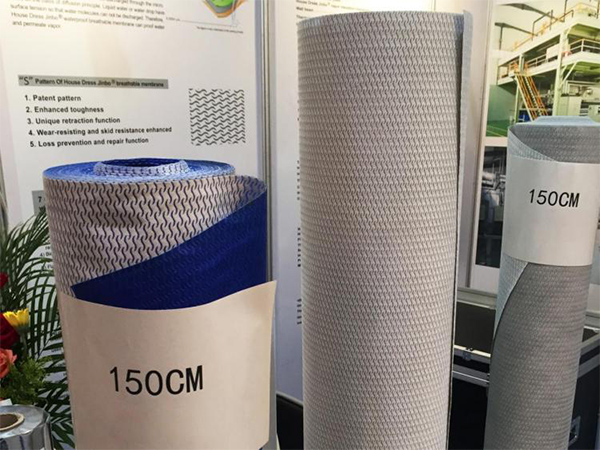
Breathable membranes rely on tiny micropores, ranging from 0.1 to 10 microns. This special structure creates a selective barrier. Liquid rain cannot penetrate, but water vapor moves through freely. Moisture produced from daily activities like cooking and bathing can escape smoothly, keeping the whole building framework dry.
Cut Energy Use and Reduce Costs
Few people notice that insulation loses much of its thermal performance once it gets wet. By maintaining dry insulation layers, these membranes can lift thermal performance by 15%–20%. That means warmer interiors in winter and less air conditioning load in summer. Over time, building maintenance expenses can drop by 20%–30%, delivering clear economic benefits.
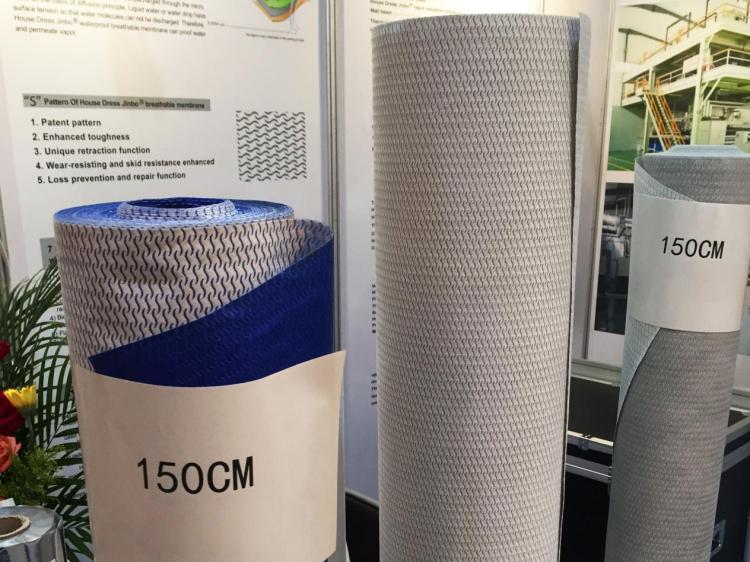
Full-Range Protection for Different Building Areas
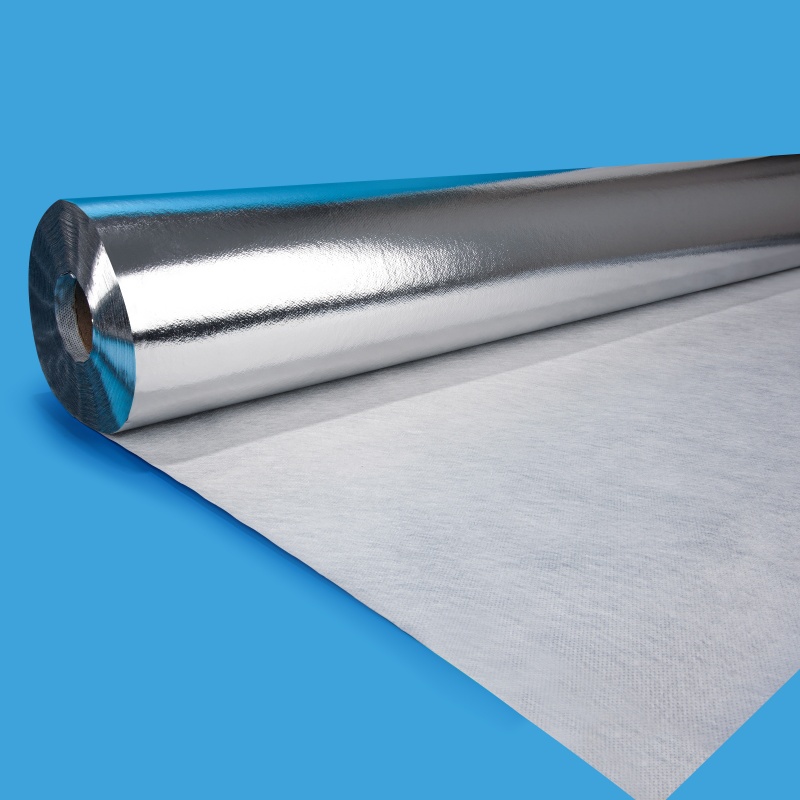
These membranes fit many application scenarios, including sloped roofs, curtain walls, basements and timber frame buildings. They block rain and underground water, and stand up to salt spray corrosion in coastal regions. They are also a vital protective layer for humidity-sensitive spaces such as museums and libraries.
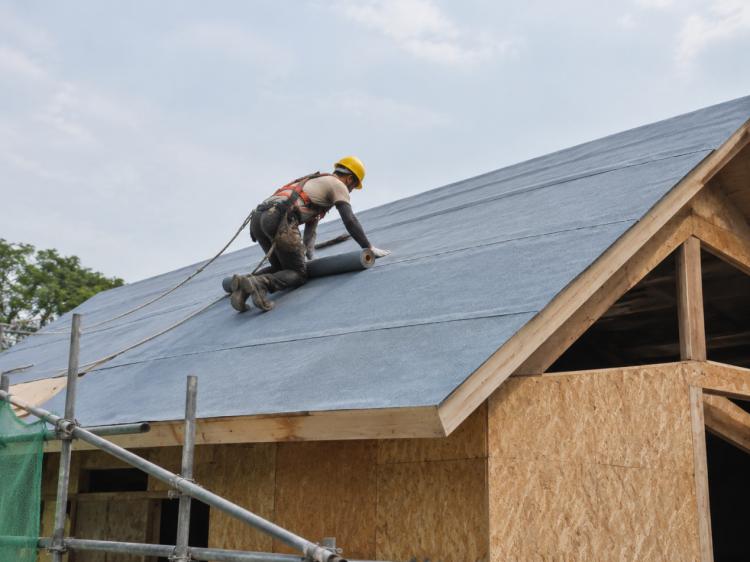
Proper Installation Is Critical
Even premium materials cannot deliver full performance without proper installation. Correct membrane orientation, offset overlapping seams and tight edge sealing all decide how well the membrane works. After heavy rainfall, site checks or spray water tests are reliable ways to confirm the waterproofing effect.
Conclusion
As construction technology advances, we keep striving for dry, comfortable indoor spaces. Green building envelopes are a practical, modern approach to protecting buildings. Made from low-impact raw materials, they cut carbon footprints during manufacturing and installation. Better thermal performance also lowers long-term energy consumption. Your building stays dry and breathable, with less strain on the environment.
Picking a water-resistant breathable membrane is not merely adding a protective layer. It is a choice for smarter, more sustainable construction.
Interested in new building material developments? Follow us to discover more trends in green building design.
Related News
- Providing Global Customers With One-Stop Building Envelope Material Solutions
- Smart Microporous Filtration: Blocking Rain, Venting Moisture
- Waterproof Breathable Membrane - "Breathing Protective Suit" For Modern Building Envelopes
- Xiashi Packing Overseas Market Visit: Real Project Applications Of Breathable Membranes
- The Functions And Common Types Of Breathable Membrane
- 2026 Global Breathable Membrane Market: Demand Is Growing Fast, Good Materials Win
Leave me a message

 Miranda
 Miranda