


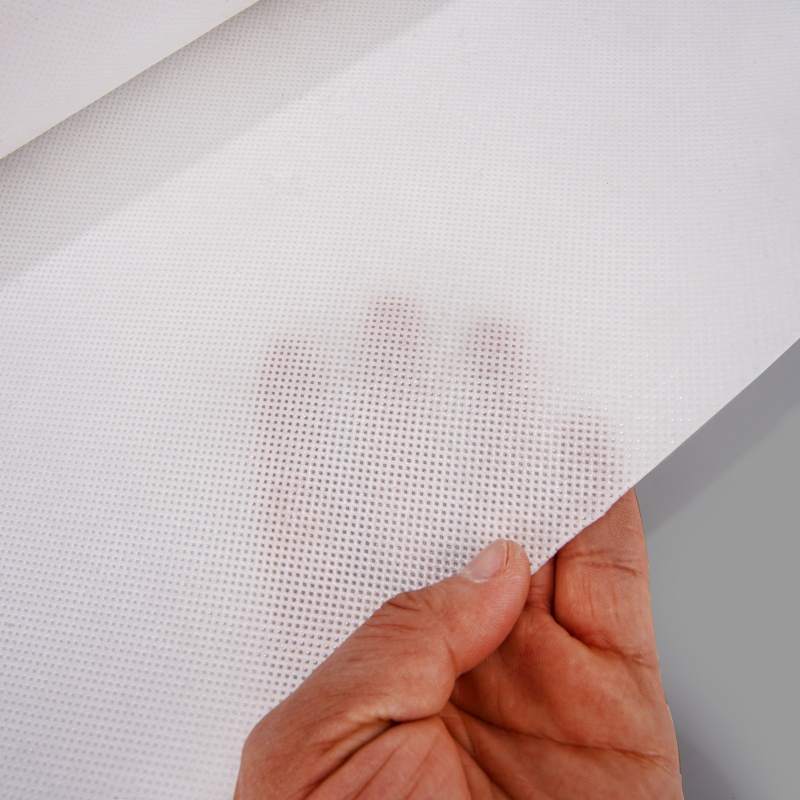
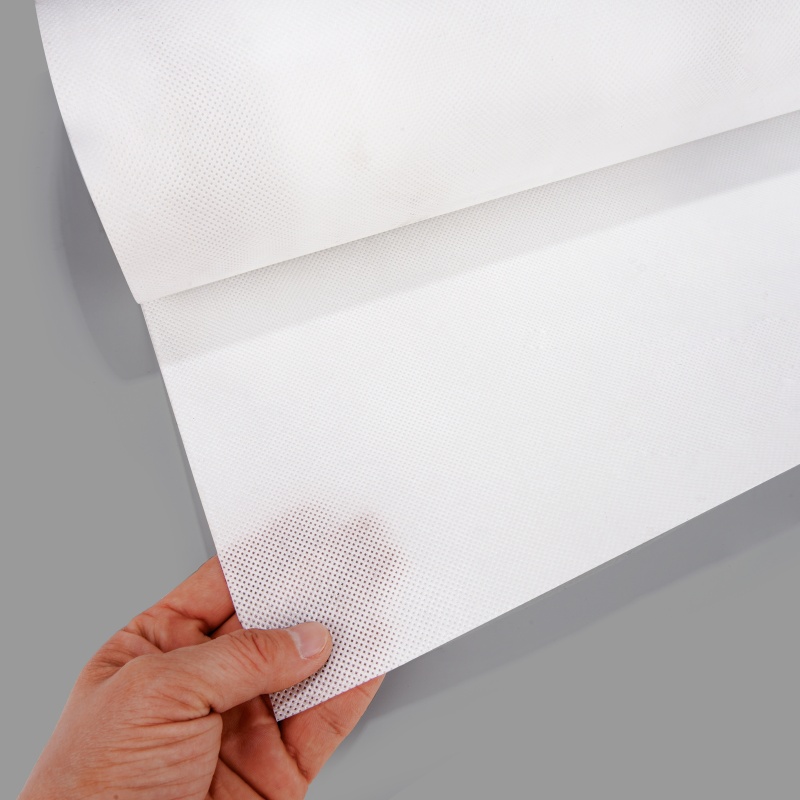
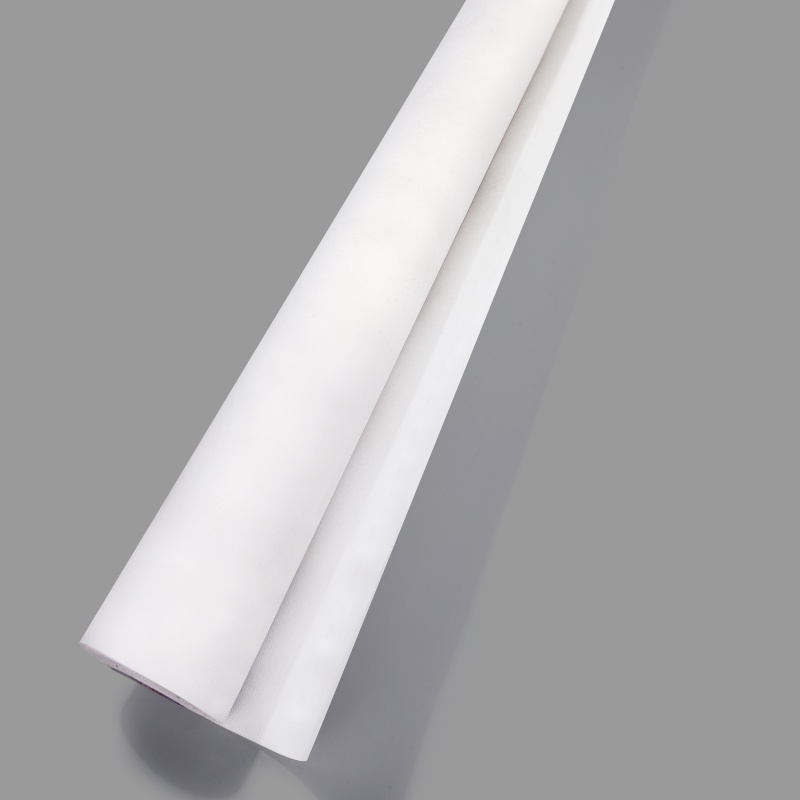
Building Envelope Vapor Barrier Film
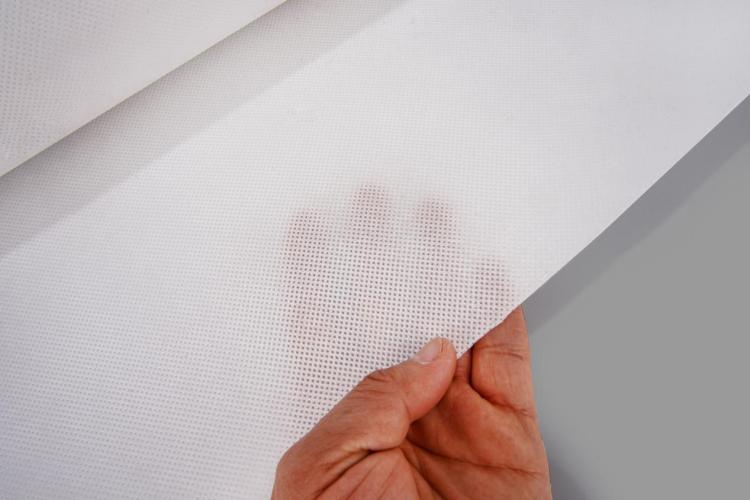
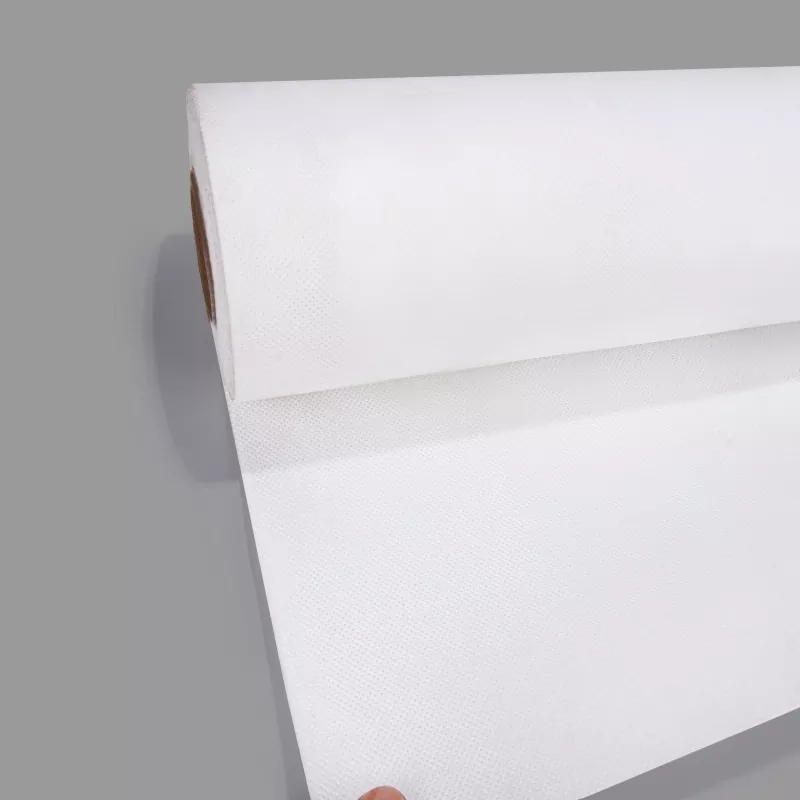
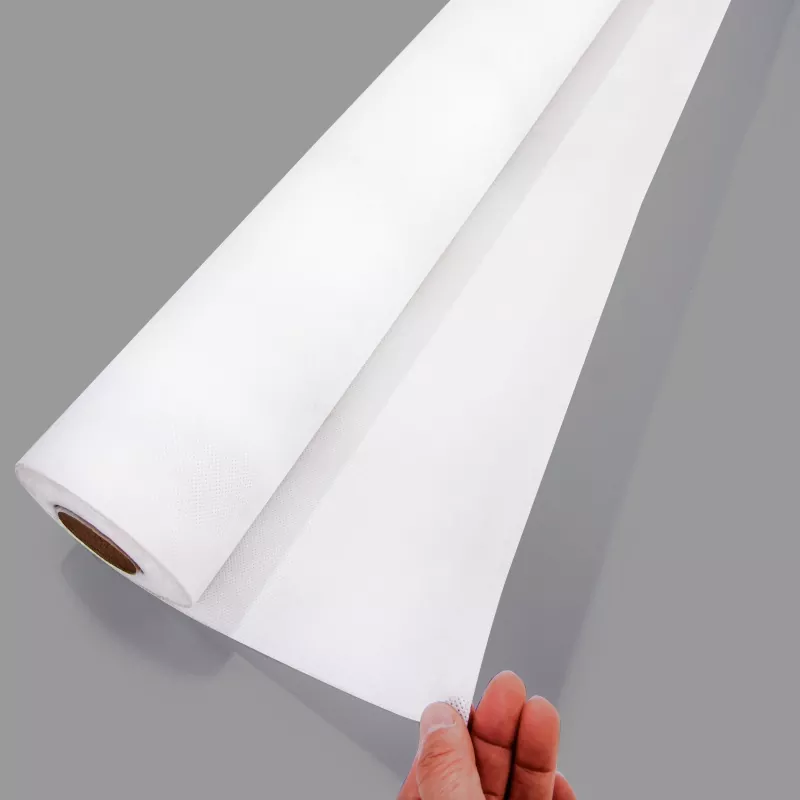
The Building Envelope Vapor Barrier Film produced by Xiashi Packing in a Chinese factory. Its purpose is to inhibit the migration of water vapor from the high-temperature and high-humidity indoor environment into the insulation structure, thereby reducing the risk of condensation within the building envelope.
Xiashi HouseDress Jinbo® Building Envelope Vapor Barrier Film serves as the core vapor barrier layer in the thermal and moisture management system of building envelopes. Manufactured from polypropylene polymer composite film material, it is primarily installed on the high-temperature side (interior side) of the insulation layer.
What is a Building Envelope Vapor Barrier Film?
Building Envelope Vapor Barrier Film is a high-polymer functional material installed on the interior side of the insulation layer within building thermal-envelope systems. It mainly blocks gaseous water vapour from the indoors from penetrating into insulation assemblies, preventing condensate from soaking insulation materials and resulting in component corrosion and mould growth. It is often used together with the external breathable house-wrap membrane. Butyl tape is applied to seal overlaps, openings and fastener holes to form a continuous, complete vapour-control barrier, so as to preserve building thermal-insulation performance and improve the durability of building envelopes.
Operational principle
The indoor ambient air contains a significant amount of water vapor. When warm, humid vapor migrates toward the low-temperature building envelope and encounters an interface where the temperature falls below the dew point, internal condensation occurs. This condensed water can wet porous insulation materials—such as rock wool and glass wool—directly leading to a reduction in thermal resistance, as well as triggering a series of deterioration phenomena, including mold growth, steel corrosion, and decay of structural components.
The HouseDress® Building Envelope Vapor Barrier Film achieves two key physical effects through its polymer-based dense composite layer.
Steam barrier:Extremely low water vapor transmission rate significantly slows the penetration of indoor water vapor into the thermal insulation layer, thereby mitigating the risk of condensation at its source.Achieve a water vapor transmission rate ≤10 g/(m²·24h), thereby attaining a high vapor barrier rating.
Auxiliary airtightness:After complete and continuous installation, this method blocks the infiltration of water vapor carried by air convection into the thermal insulation structure, thereby reducing energy loss caused by uncontrolled air leakage.
Engineering Application Scenarios
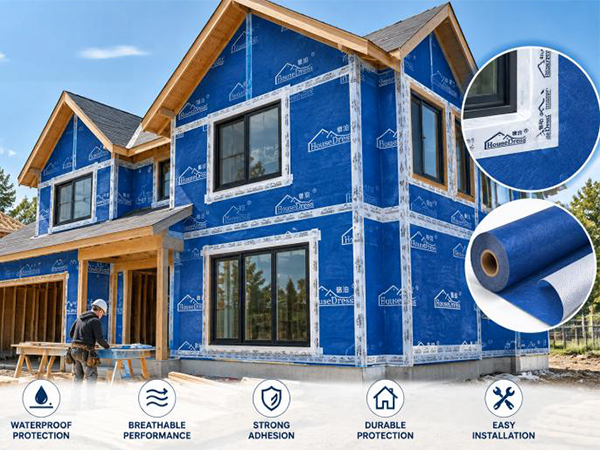
HouseDress® Building Envelope Vapor Barrier Film are primarily applied to the high-temperature side of the insulation layer in indoor environments, and are suitable for the following mainstream building applications:
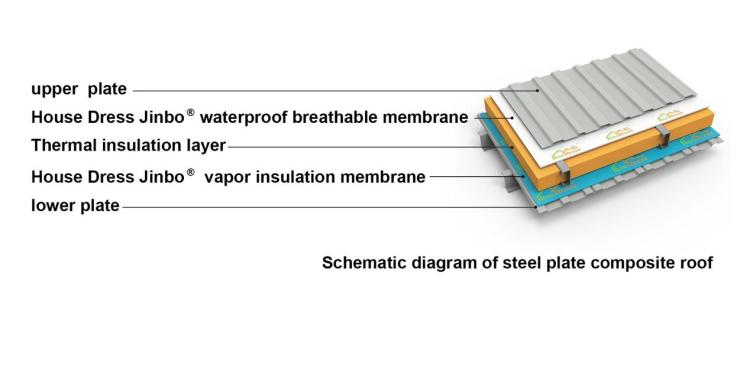
1.Metal profiled steel sheet composite roofing system: installed on the inner side of upright-sealed roofing or tile roofing, beneath the insulation layer; it prevents indoor moisture from penetrating the insulation material while reducing the risk of roof condensation and steel sheet corrosion.
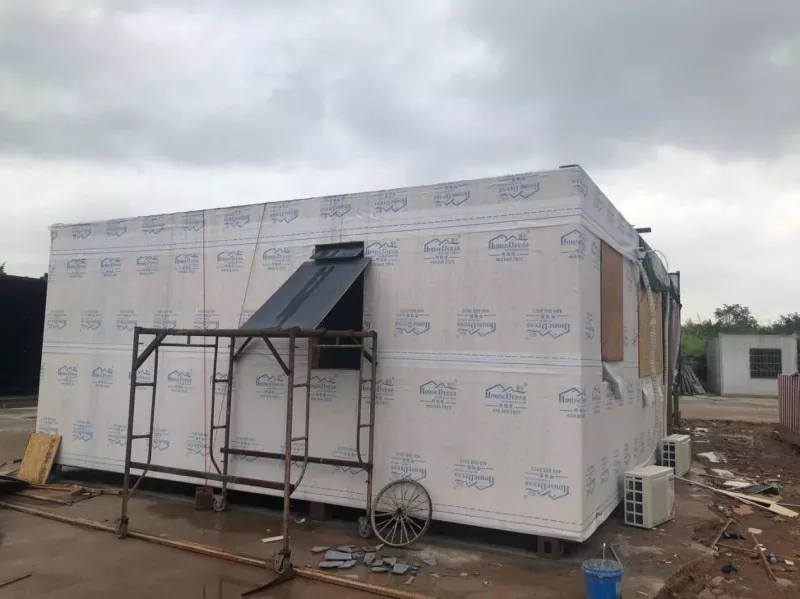
2.Light-gauge steel prefabricated walls and steel-structure composite walls: the inner side of the enclosure insulation is paired with the HouseDress Jinbo waterproof and vapor-permeable membrane on the outer side, thereby achieving thermal and moisture balance for the light-gauge steel walls.
3.Curtain wall system: In regions with severe or cold climates, a vapor barrier shall be installed on the inner side of the curtain wall insulation to comply with the thermal and humidity design requirements of GB50176 2016.
4.Cold storage and high-humidity workshop buildings: For buildings with relatively high indoor humidity, enhance vapor barrier protection to safeguard the thermal insulation layer from moisture ingress.
5.Door and window opening joint detailing: Seal the indoor gaps of door and window frames using HouseDress Jinbo® window opening tape and butyl sealing tape, thereby establishing a closed-loop system for airtightness and vapor barrier performance at the openings.
Technical specifications
| Left Column | Right Column | ||
| Model NO. | xiashi418 | Color | Customized Colors |
| Material | PE+PP | Type | Roofing and Waterproofing |
| Ceiling Tile Shape | Roll | Function | Waterproof |
| Warranty | Online Technical Support, Onsite Training | Thickness | 0.3mm |
| Ceiling Tile Type | PE+PP | Usage | Indoor |
| Transport Package | Roll | Specification | 20 container |
| Trademark | housedress | Origin | China |
| HS Code | 56031390 | Production Capacity | 1000000/Year |
Why choose HouseDress Jinbo® vapor barrier film?
Our HouseDress® Building Envelope Vapor Barrier Film adopts multi‑layer polymer composite technology with stable low water‑vapour transmission rate to effectively block indoor vapour penetration and prevent condensation‑caused insulation dampening, steel corrosion and mould issues. Featuring high nail‑tear resistance and excellent low‑temperature flexibility for harsh construction‑site conditions, it works perfectly with our supporting butyl sealing tapes to build a continuous vapour‑control barrier. Supported by CNAS‑accredited test documents and rich real‑world project experience, our factory offers custom specifications and dependable delivery for both bulk container orders and small trial shipments.
FAQs
Can you provide export documentation such as test reports and asbestos-free declarations?
A: Yes. For each batch of products, we can provide a complete set of documentation—including test reports from CNAS-accredited laboratories, factory qualification certificates, and asbestos-free declarations—to meet the compliance audit requirements for overseas projects in Australia, Europe, and other regions.
Can a vapor barrier film be exposed to outdoor sunlight for extended periods?
A: No. The Building Envelope Vapor Barrier Film does not possess long-term UV resistance; once installed, it should be covered with insulation or other structural layers as soon as possible, and should not be exposed to prolonged direct sunlight.
Can we customize the width and grammage of the vapor barrier film?
A: Customization of width and grammage is available; standard specifications are in stock.
Can standard PE film replace engineering-grade vapor barrier films?
A: Not recommended. Standard PE film lacks sufficient tear resistance, aging resistance, and low-temperature toughness; it is prone to damage when driven with nails on construction sites, and its long-term durability may fail to meet construction engineering standards.
Send Inquiry
Contact Info
-
Address
Xihouliu Industrial Zone Xiong County, Baoding City, Hebei Province, China
-
Tel
-
Unlock Tailored Solutions from a Premier China Manufacturer
Got condensation issues? Energy leaks? Share specs → get customized membranes/felts that:
• Reduce building energy costs by ≤40%
• Eliminate mold risk with SGS-verified waterproofing
• Cut noise pollution by 50dB (rain impact test data)

News Recommendations



 Miranda
 Miranda