
Why Does a Breathable Insulation Membrane Matter in Modern Construction?
Breathable insulation membranes have become a crucial component in modern building envelopes. They help regulate moisture, improve energy efficiency, and protect structural integrity by allowing vapor to escape while blocking external water and wind. This article explores how these membranes work, why they are essential in residential and commercial construction, their performance benefits, installation considerations, and common challenges faced by builders and homeowners.
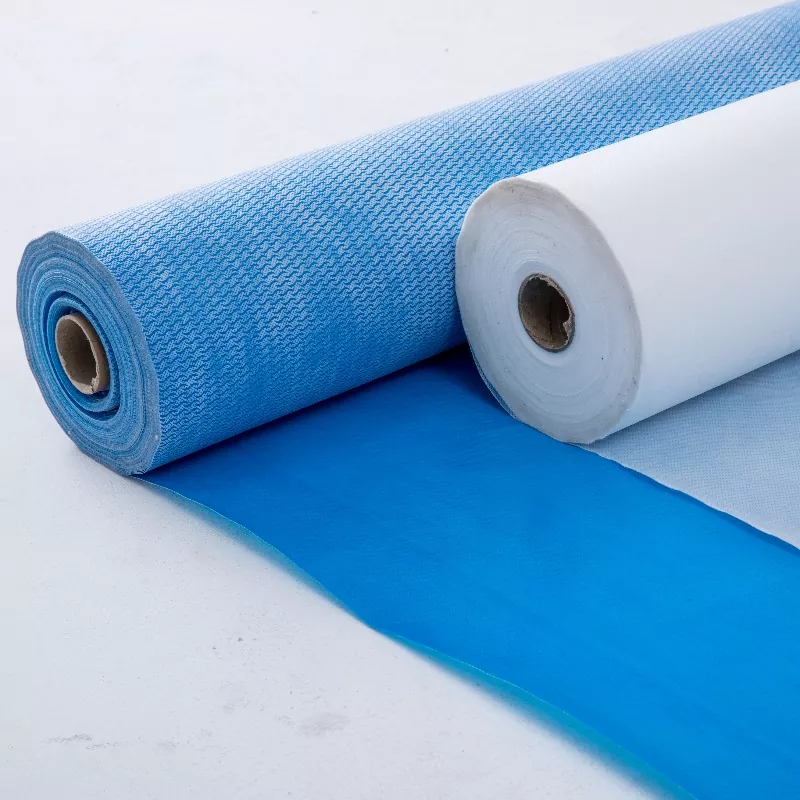
Table of Contents
- 1. Introduction to Breathable Insulation Membranes
- 2. How Breathable Insulation Membranes Work
- 3. Why They Matter in Modern Construction
- 4. Key Benefits and Performance Advantages
- 5. Types of Breathable Insulation Membranes
- 6. Installation Best Practices and Common Mistakes
- 7. Comparison with Traditional Insulation Barriers
- 8. Applications Across Different Building Types
- 9. Challenges and Practical Considerations
- 10. Future Trends in Membrane Technology
- 11. Frequently Asked Questions
- 12. Conclusion
1. Introduction to Breathable Insulation Membranes
In modern construction, energy efficiency and durability are two of the most important design priorities. Buildings today are expected to be airtight for thermal efficiency while still managing internal moisture effectively. This is where a breathable insulation membrane becomes essential.
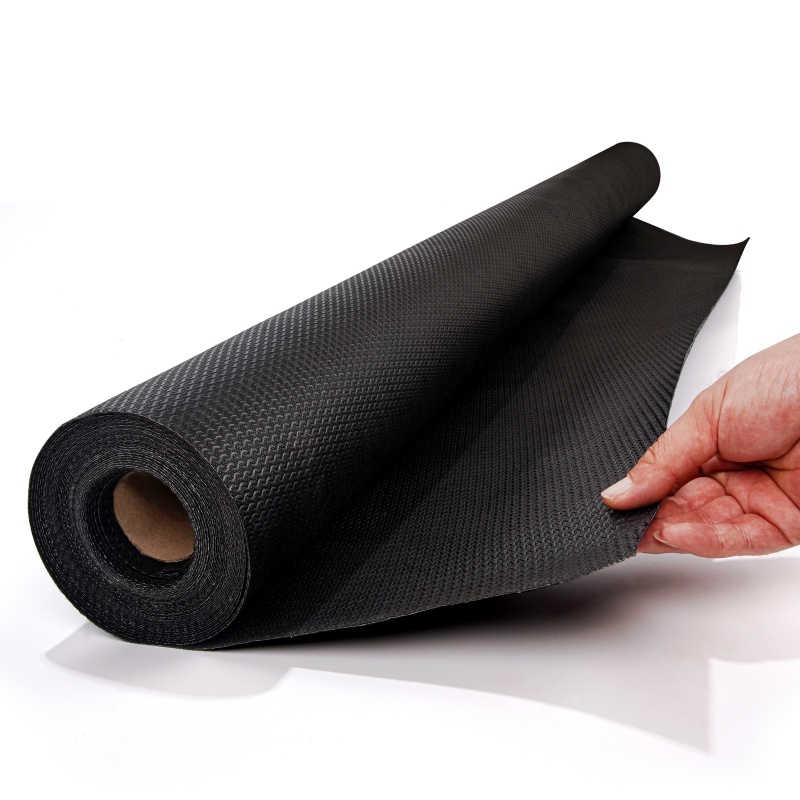
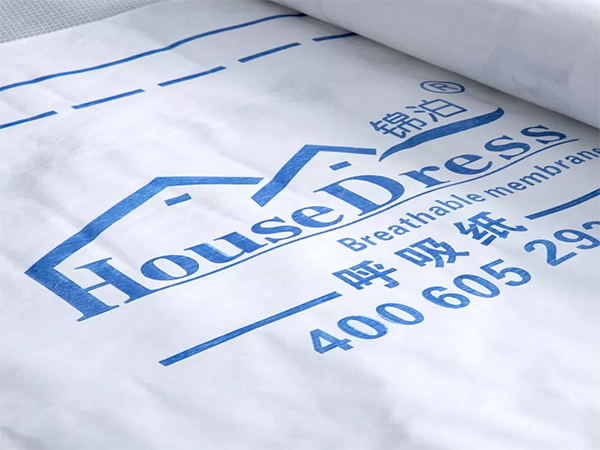
A breathable insulation membrane is a specialized building material designed to allow water vapor to escape from within a structure while preventing external water, wind, and dust from entering. It acts as a protective layer within the building envelope, typically installed beneath roof tiles, behind exterior cladding, or within wall systems.
Without such a system, trapped moisture can lead to mold growth, structural decay, and reduced insulation performance. This makes breathable membranes a foundational element in sustainable building design.
2. How Breathable Insulation Membranes Work
The performance of breathable insulation membranes relies on a carefully engineered microstructure. These membranes are usually made from multiple layers of polymer-based materials that include microscopic pores.
These pores are small enough to block liquid water droplets but large enough to allow water vapor molecules to pass through. This selective permeability ensures that moisture generated inside the building—such as from cooking, bathing, or occupancy—can escape without compromising weather protection.
To understand the mechanism better, consider the following process:
- Indoor moisture rises through walls and roofing structures.
- The membrane allows vapor to pass outward.
- External rainwater is blocked from entering due to surface tension and pore size design.
- The building envelope remains dry, balanced, and energy efficient.
This balance between protection and breathability is what makes the system so effective in variable climates.
3. Why They Matter in Modern Construction
Modern buildings are far more airtight than older structures due to stricter energy codes and improved insulation systems. While this improves heating and cooling efficiency, it also creates a risk of moisture accumulation inside walls and roofs.
Without a breathable insulation membrane, moisture can become trapped, leading to long-term structural problems. These include timber rot, corrosion of metal components, insulation degradation, and reduced indoor air quality.
In climates with high humidity or frequent rainfall, the importance of moisture control becomes even more critical. Breathable membranes help maintain a healthy balance between airtightness and ventilation.
They are no longer considered optional but rather a standard requirement in many modern building systems.
4. Key Benefits and Performance Advantages
Breathable insulation membranes provide a wide range of performance benefits that directly improve building longevity and energy efficiency.
- Moisture control: Prevents condensation buildup inside walls and roofs.
- Energy efficiency: Helps insulation maintain optimal performance by staying dry.
- Weather protection: Shields structures from rain, wind, and dust infiltration.
- Mold prevention: Reduces conditions that encourage mold and mildew growth.
- Structural durability: Protects timber and metal framing from long-term damage.
- Indoor comfort: Improves air quality and thermal stability inside buildings.
These advantages contribute not only to building performance but also to reduced maintenance costs over time.
5. Types of Breathable Insulation Membranes
Different construction environments require different types of membranes. Manufacturers design various products based on permeability, strength, and application needs.
| Type | Material | Main Use | Key Feature |
|---|---|---|---|
| Single-layer membrane | Polyethylene-based film | Basic wall and roof protection | Lightweight and cost-effective |
| Multilayer membrane | Composite polymer layers | High-performance buildings | Enhanced durability and vapor control |
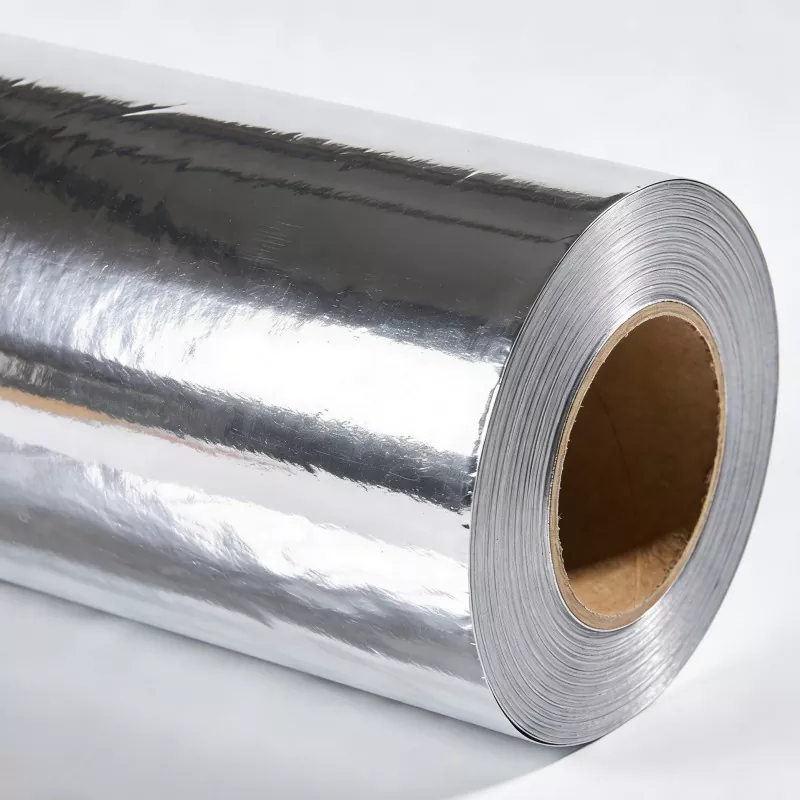
| Reflective membrane | Foil + breathable layer | Energy-efficient roofing systems | Heat reflection + moisture control |
| Heavy-duty membrane | Reinforced synthetic fabric | Industrial structures | High tear resistance |
Each type serves a specific purpose depending on climate conditions and building design requirements.
6. Installation Best Practices and Common Mistakes
Even the best breathable insulation membrane will underperform if not installed correctly. Proper installation is essential to ensure full functionality and long-term reliability.
Best practices include:
- Ensuring correct orientation (breathable side facing outward).
- Overlapping seams properly to prevent water ingress.
- Using compatible sealing tapes for joints and penetrations.
- Avoiding punctures during installation.
- Maintaining continuous coverage across surfaces.
Common mistakes to avoid:
- Incorrect membrane layering within wall systems.
- Improper sealing around windows and roof edges.
- Exposure to UV light for extended periods before covering.
- Using incompatible fasteners that damage the membrane.
Proper training and installation guidelines are essential for achieving optimal performance.
7. Comparison with Traditional Insulation Barriers
Traditional insulation systems often rely on non-breathable barriers that focus solely on blocking moisture. While effective in preventing water intrusion, they do not allow internal vapor to escape, which can lead to condensation buildup.
Breathable insulation membranes offer a more balanced solution.
- Traditional barriers: Block both liquid water and vapor.
- Breathable membranes: Block liquid water but allow vapor escape.
This key difference significantly reduces the risk of trapped moisture and improves long-term structural health.
8. Applications Across Different Building Types
Breathable insulation membranes are used in a wide variety of construction projects, including residential, commercial, and industrial buildings.
- Residential homes: Roof underlays, wall protection, attic insulation systems.
- Commercial buildings: Office complexes, shopping centers, hotels.
- Industrial facilities: Warehouses, factories, cold storage units.
- Prefabricated structures: Modular homes and temporary shelters.
The versatility of these membranes makes them suitable for nearly all modern construction environments.
9. Challenges and Practical Considerations
Despite their advantages, breathable insulation membranes also present certain challenges that must be managed during design and installation.
Key challenges include:
- Cost variations depending on membrane quality and specification.
- Need for skilled installation to ensure performance integrity.
- Compatibility with existing insulation systems.
- Environmental exposure limitations before final covering.
Addressing these challenges requires proper planning, material selection, and professional installation practices.
10. Future Trends in Membrane Technology
The construction industry continues to evolve, and breathable insulation membranes are becoming more advanced with new material innovations.
Future developments include:
- Nanotechnology-enhanced permeability control.
- Improved UV resistance for longer exposure periods.
- Eco-friendly recyclable membrane materials.
- Smart membranes with adaptive moisture response.
These advancements will further improve energy efficiency and sustainability in building design.
11. Frequently Asked Questions
Q1: Where is a breathable insulation membrane used?
It is commonly used in roofs, walls, attics, and exterior cladding systems.
Q2: Does it completely block water?
It blocks liquid water but allows water vapor to pass through.
Q3: How long does it last?
High-quality membranes can last decades when properly installed and protected.
Q4: Is it necessary for all buildings?
While not mandatory everywhere, it is highly recommended in modern airtight buildings.
Q5: Can it be installed in existing structures?
Yes, it can be retrofitted in renovation projects with proper design adjustments.
12. Conclusion
Breathable insulation membranes play a critical role in ensuring modern buildings remain durable, energy-efficient, and moisture-resistant. By allowing vapor to escape while blocking external water, they maintain a healthy balance within building envelopes and prevent long-term structural issues.
As construction standards continue to evolve, these membranes are becoming an essential part of sustainable architecture and high-performance building systems.
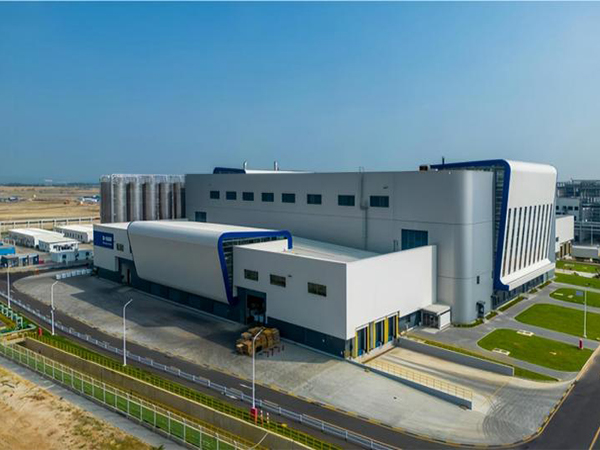
For high-quality packaging and industrial material solutions, Xiong County Xiashi Packing Co., Ltd. provides reliable manufacturing expertise and product support tailored to global construction needs.
Contact us today to learn more about breathable insulation membrane solutions, customization options, and partnership opportunities for your business growth.
Related News
- Xiashi Packing Co., Ltd. Highlights Systemized Building Envelope Solutions
- Breathable Membrane Vital Amid SE Asia's 2026 Monsoon
- Xiashi Packing Co., Ltd. Strengthens Global Position With Certified Breather Membrane Solutions
- How Does a Breathable Building Membrane Improve Modern Construction Performance?
- What Is Anti Condensation Felt and Its Role in Preventing Moisture Damage in Industrial Applications?
- Beyond House Wrap: What Large Building Material Buyers Really Need From a Waterproof Breathable Membrane Supplier
Leave me a message




 Miranda
 Miranda