The Functions And Common Types Of Breathable Membrane
Many procurement managers are new to breathable membranes. They often ask: Does a breathable membrane block water or allow moisture to escape? The answer is: it does both, but in different forms. A breathable membrane is designed to resist wind-driven rain while allowing water vapor to diffuse out of the building envelope.If moisture stays inside the walls, the insulation loses its effectiveness. This can lead to mold and structural decay. Choosing the right membrane is key to ensuring a building's long-term durability.
How a Breathable Membrane Works
The technical core is its special microporous structure. A water droplet is about 20 micrometers in diameter. A water vapor molecule is only 0.0004 micrometers. The membrane's structure allows water vapor to diffuse through under a vapor pressure gradient while resisting the passage of liquid water. Liquid water is completely blocked. This "vapor venting but no water leakage" function distinguishes it from ordinary plastic film.
A simple analogy is a high-tech outdoor jacket. Rain does not soak through it. But sweat vapor escapes through the fabric, keeping you dry. A breathable membrane does the same job for a building.

Main Types of Breathable Membranes
There are two main categories. The standard type is for general residential and commercial walls. The high-performance type, like the HD-K160 model from Xiashi Packing, performs better in high-temperature resistance, UV resistance, and flame retardancy. It is suitable for industrial plants and large stadiums.
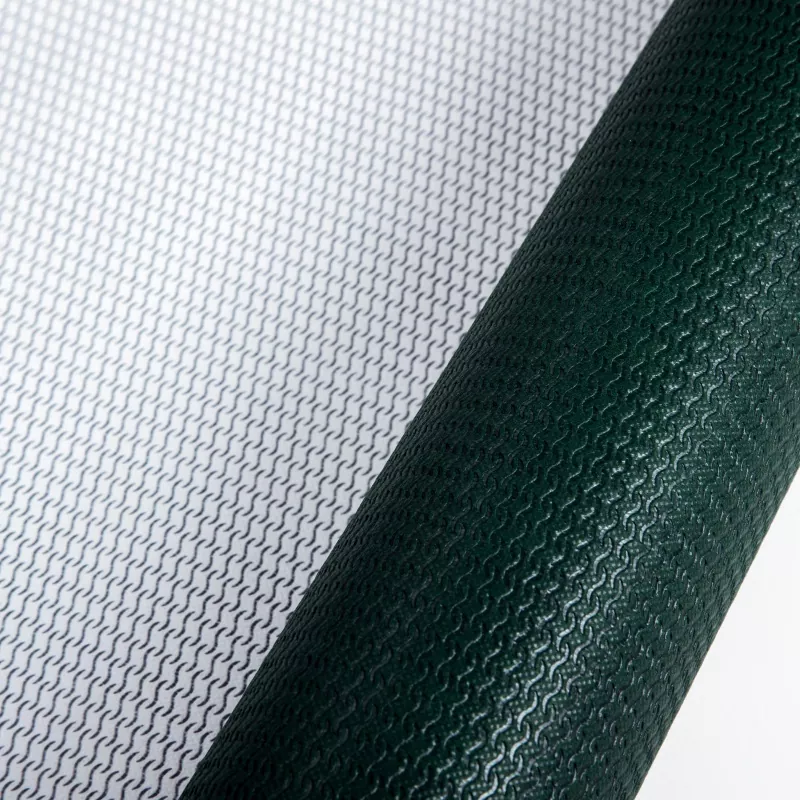
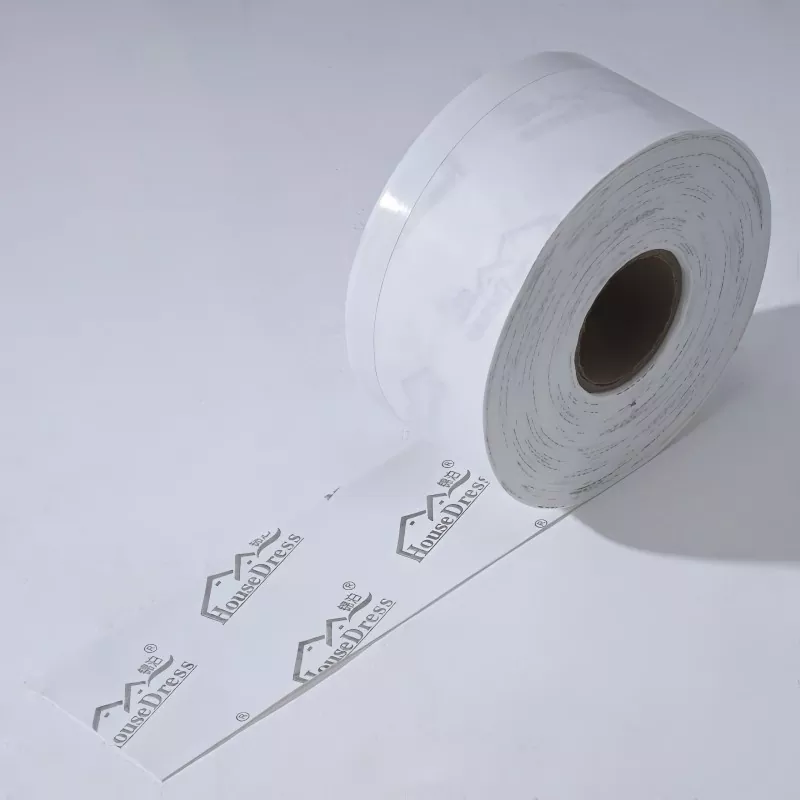
Based on surface treatment, membranes are classified into smooth and textured types. The Breathable Membrane from Xiashi Packing features a unique S-shaped pattern on its surface. This design disperses the stress from trampling and pulling. It significantly improves tear resistance and reduces accidental damage during installation.On construction sites, workers often walk on the membrane. If the surface is too smooth or brittle, it can easily get holes from footsteps or sharp tools. With the S-shaped pattern, stress is evenly dispersed, making the membrane much harder to tear. This means smoother construction and lower rework rates.

Installation Position in Buildings
The installation position is very specific. It must be installed on the outside of the insulation layer. Only in this position can external rainwater be blocked and internal moisture be vented out. If installed on the inside, it will trap moisture and cause the insulation to fail.
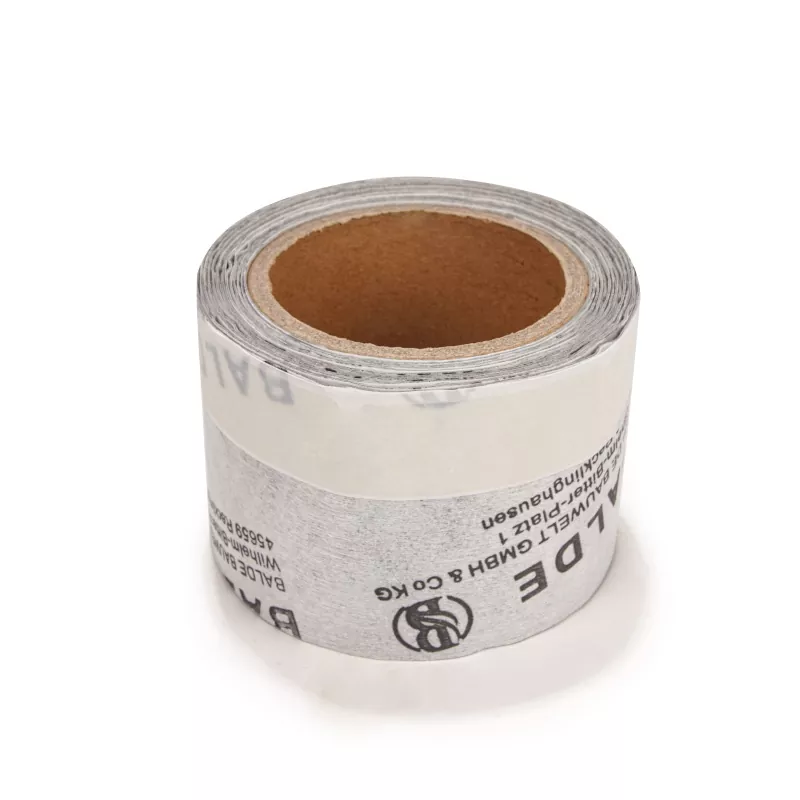
The membrane is usually installed from the bottom up. The overlap width between two rolls must not be less than 10 centimeters. Overlapping areas must be sealed with butyl sealing tape. Window frames and pipe penetrations also need proper sealing. When all these details are done correctly, the wall can be both waterproof and breathable.
Core Performance Indicators
To judge the quality of a breathable membrane, several indicators should be considered. First is vapor transmission rate. The higher, the better. Second is weather resistance. It must have excellent UV resistance. Third is temperature resistance. It must stay stable in hot summers and cold winters. Fourth is flame retardancy. For buildings with fire safety requirements, the membrane must have the appropriate fire rating.
The HD-K160 model excels in all these indicators. It has B2 flame retardant performance. It remains stable at 80°C. It has passed a 168-hour accelerated UV aging test. If you are building in the Middle East, high temperature will not damage it. If you are building in Northern Europe, freezing cold will not make it brittle or crack.
The Difference from Ordinary Plastic Film
The core difference between ordinary plastic film and a professional Breathable Membrane is how they handle water vapor. Ordinary plastic film acts as an absolute barrier, blocking rain from entering, but it also completely traps the moisture generated by daily living inside the wall structure; a professional breathable membrane is designed to block liquid water while allowing water vapor to diffuse through the membrane when a vapor pressure difference exists. The performance differences can be seen clearly in the table below:
| Performance Indicator | Ordinary PE Plastic Film | Professional Waterproof Breathable Membrane |
| Water Vapor Transmission | Extremely Low (blocked) | ≥ 1000 g/m²·24h |
| Water Impermeability | Basic (often fails over time) | ≥ 1000 mm Water Column |
| Tensile Strength | Weak (tears easily) | ≥ 100 N/50mm |
| Tear Resistance | Low (punctures easily) | ≥ 40 N (Nail Shank Test) |
| Temperature Resistance | Prone to brittleness in cold | Withstands -40°C to 80°C |
The real impact behind these numbers is that ordinary PE film has very poor permeability, trapping moisture in the wall, which condenses in winter and soaks the insulation, causing it to fail completely; over time, this leads to mold, wood rot, and structural decay. A professional membrane has micro-pores precisely sized between vapor molecules and water droplets, allowing the wall to dry outwards and keeping insulation dry and effective for decades. Furthermore, ordinary films become brittle at -40°C, while professional membranes maintain flexibility. When you calculate the long-term cost, using cheap plastic film often leads to tearing down walls and replacing soaked insulation, with repair costs ten times higher than the money saved upfront. Therefore, choosing a professional membrane is a much more cost-effective solution for long-term building protection.

How to Choose the Right Model for Your Project
Different projects have different requirements. For ordinary houses, a standard model is enough. For large industrial plants or high-rise buildings, a high-performance flame-retardant model is needed. For hot regions like the Middle East, high-temperature and UV resistance are more important. For cold regions like Northern Europe, low-temperature flexibility is a key consideration.
When choosing, you can provide the factory with project information, including building type, temperature range, and fire safety requirements. An experienced manufacturer will recommend the most suitable model. The sales team at Xiashi Packing knows the needs of different regions very well. We provide professional selection advice based on each client's situation.
Related News
- House Dress: Nearly 20 Year Expertise In Building Envelope Membrane Solutions
- Jinbo House-Dress: How China's Enclosure Membrane Materials Meet The Diverse Architectural Needs Of Overseas Markets
- Building Envelope Sealing Tapes: Small Auxiliary Materials Can Determine The Success Or Failure Of The Entire Membrane System
- Jinbo House Dress:New Iteration Of Self-Adraping Anti-Condensation Felt Now Released
- Providing Global Customers With One-Stop Building Envelope Material Solutions
- Modern Building Envelopes—The Importance Of Water-Resistant, Breathable Membranes
Leave me a message





 Miranda
 Miranda