Industry News
 24 2026-06
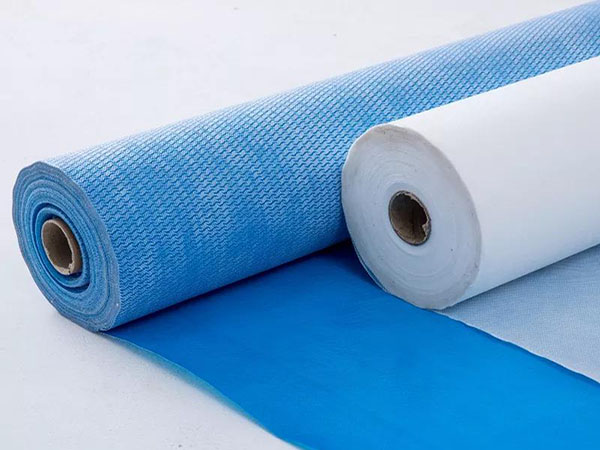
 Why Does a Breathable Insulation Membrane Matter in Modern Construction?
Breathable insulation membranes have become a crucial component in modern building envelopes. They help regulate moisture, improve energy efficiency, and protect structural integrity by allowing vapor to escape while blocking external water and wind. This article explores how these membranes work, why they are essential in residential and commercial construction, their performance benefits, installation considerations, and common challenges faced by builders and homeowners.
 12 2026-06
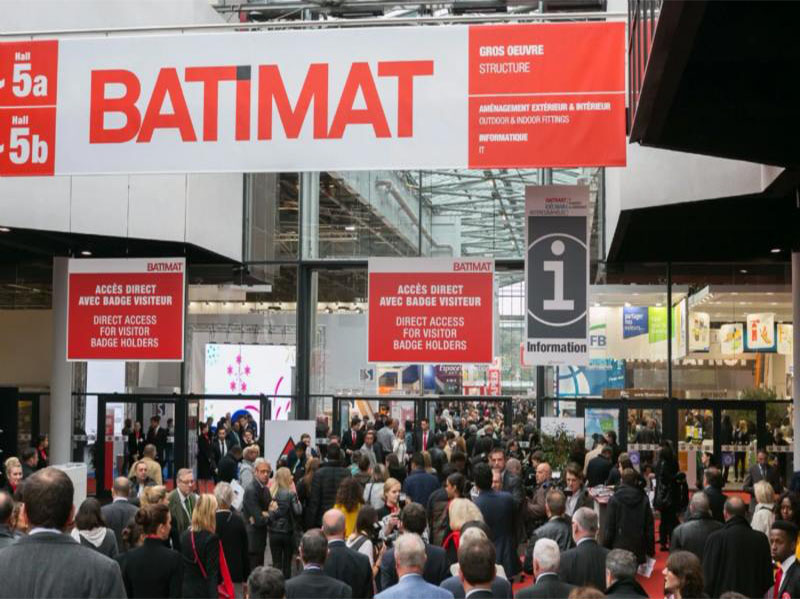
 Xiashi Packing to Showcase Housewrap & Waterproof Breathable Membrane Solutions at BATIMAT 2026 Paris
Xiashi Packing, a veteran Chinese manufacturer of housewrap and waterproof breathable membranes with over 20 years of factory experience, will exhibit tailored energy-saving building envelope solutions at BATIMAT 2026 Paris from September 28 to October 1, welcoming global construction partners for cooperation and technical communication.
 09 2026-06
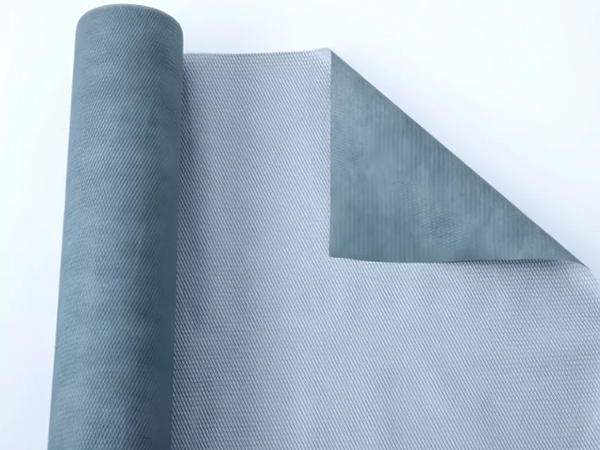
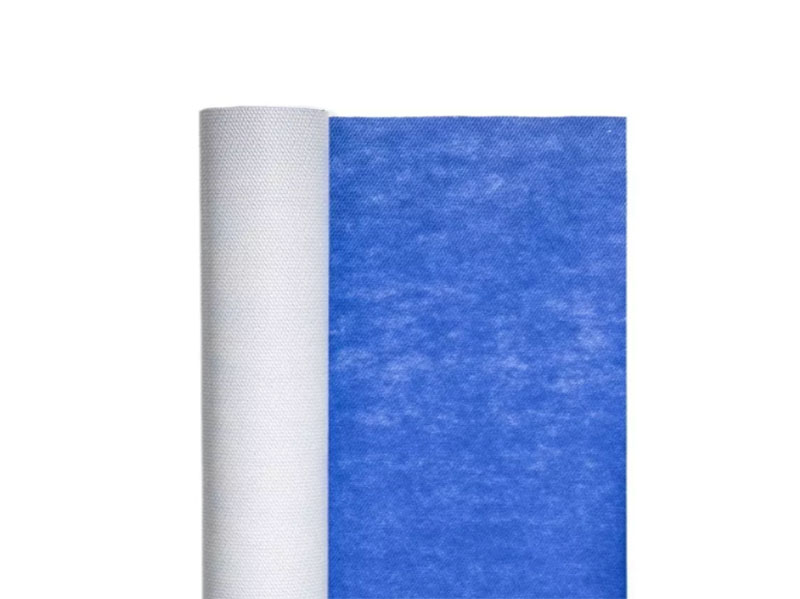
 Why Is Breathable Membrane For Internal Walls Essential for Modern Building Performance?
Moisture-related problems are among the most expensive and frustrating issues faced by homeowners, builders, architects, and property managers. Condensation, mold growth, poor indoor air quality, wall deterioration, and reduced insulation performance can all be traced back to inadequate moisture management within building structures.
 03 2026-06
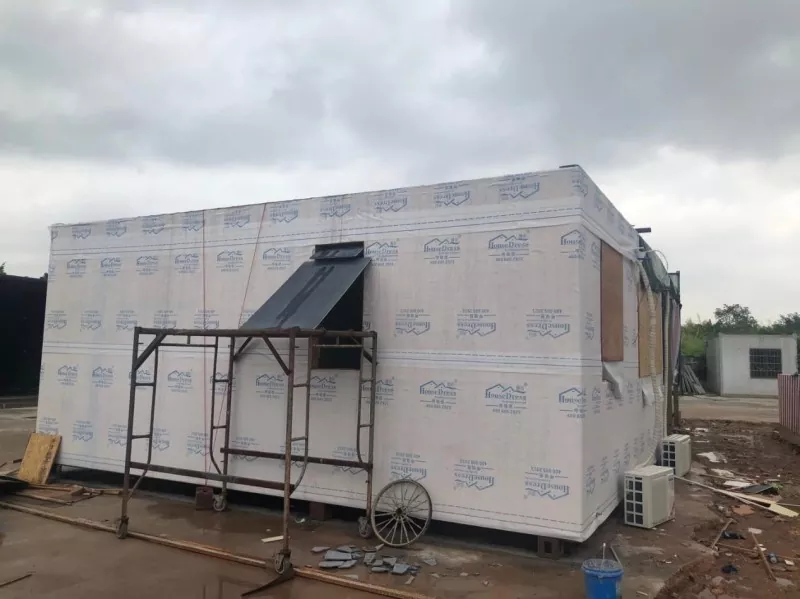
 Why Is House Wrap Breathable Membrane Essential for Modern Buildings?
House wrap breathable membranes have revolutionized modern construction by enhancing energy efficiency, preventing moisture damage, and improving indoor comfort. This comprehensive guide explains their importance, installation methods, types, and the key considerations homeowners and builders should know to maximize performance and longevity.
 28 2026-05
 Protecting North American Homes with Waterproof Breathable Membranes
Water intrusion is one of the most common and costly issues in North American residential construction. From humid Southeastern climates to frigid northern regions, homeowners face persistent challenges that can lead to mold, structural damage, and expensive repairs.
 26 2026-05
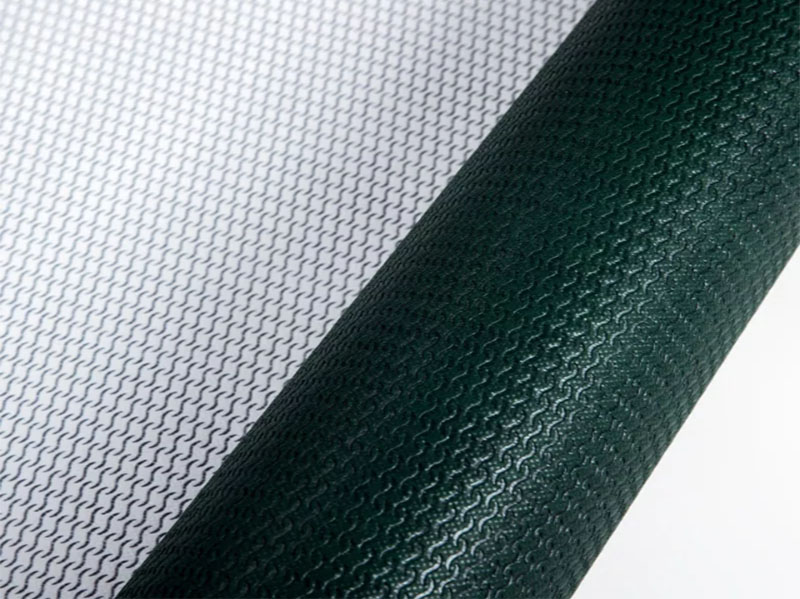
 Why Is 9 ft Breathable Membrane Becoming Essential for Modern Construction Waterproofing Systems?
The construction and building materials industry has experienced rapid evolution in waterproofing and moisture control technologies. Among these innovations, the 9 ft Breathable Membrane has emerged as a critical solution for protecting structures against water ingress while allowing vapor permeability. This dual-function performance helps maintain structural integrity, reduce condensation risks, and improve energy efficiency in both residential and commercial projects.
 Miranda
 Miranda